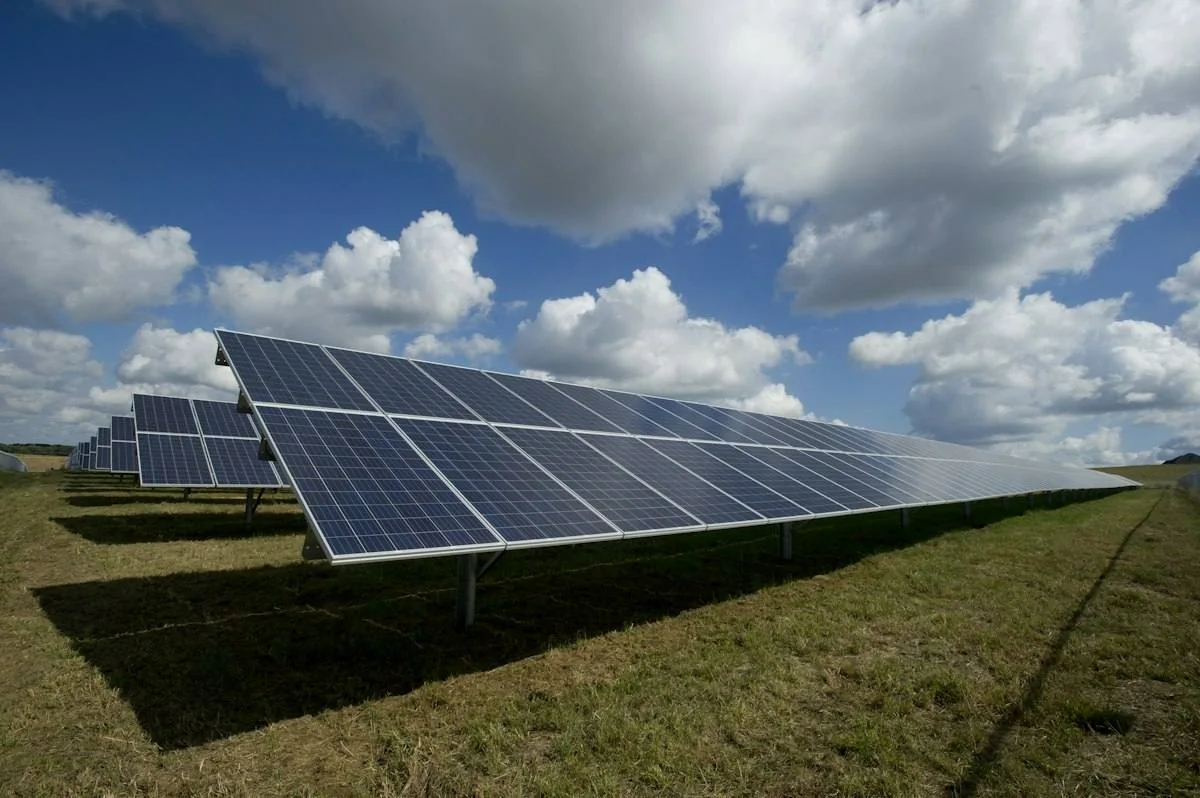
Night Use
Size by evening kWh use.
Solutions · Residential Backup
Use solar battery storage to store daytime solar power and keep key loads running at night, during outages, or when grid electricity is expensive.
Have solar panels already? Start with the inverter before choosing a battery.
Have solar panels already? Start with the inverter before choosing a battery.



Solution
Store daytime solar power, use it after sunset, and keep selected loads running when the grid goes down.
Night Use and High-Rate Hours: Use stored solar when panels stop producing, or when grid electricity is expensive.
Outage Backup: Run key loads with a correctly sized solar battery storage system that includes backup output and selected circuits.
System Upgrade: Add storage only after checking hybrid inverter compatibility and backup wiring.

Choose solar + storage when your system produces power during the day but your real demand comes later.
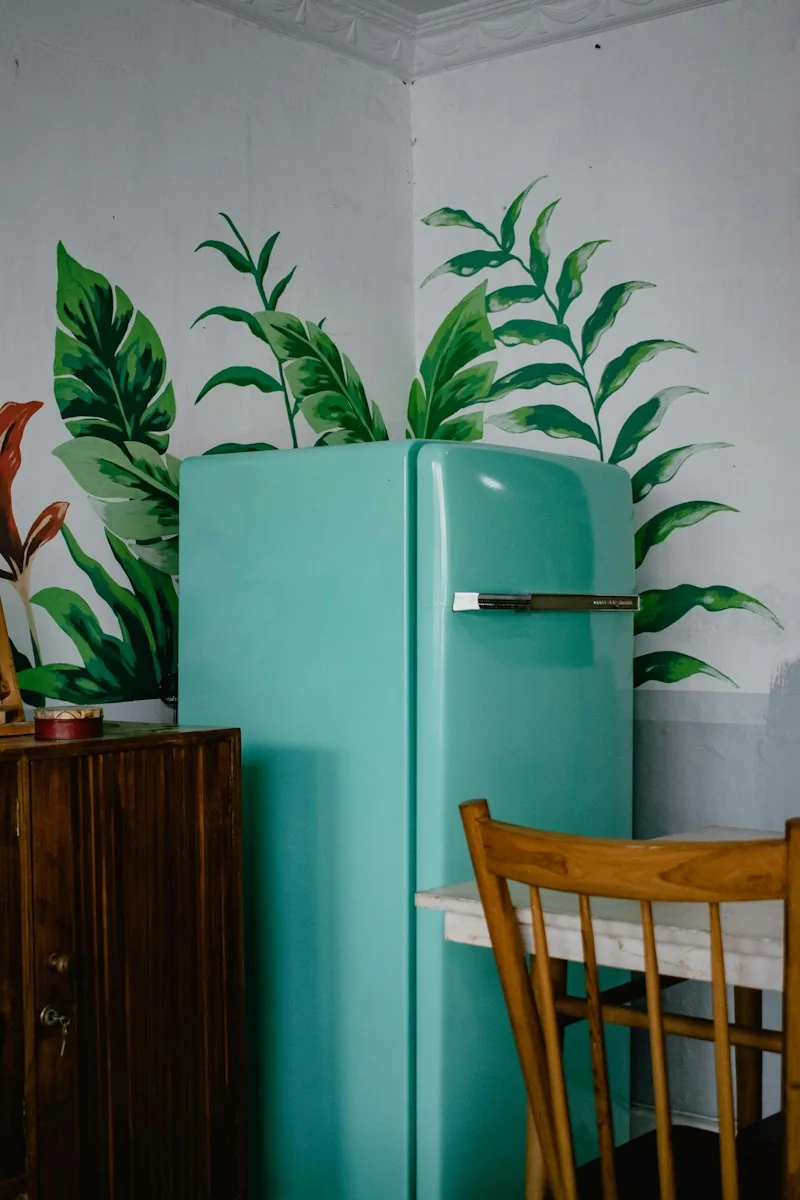
Keep refrigerator, lights, WiFi, security, and pump loads running during outages.
Use solar with battery storage when evening demand is higher than daytime use.
Store surplus daytime production for evening home use.

Support key loads with solar + battery instead of relying only on the grid.
Large loads such as central HVAC, electric oven, and whole-home circuits need separate inverter and backup wiring review.
Size by load, backup hours, solar recharge, and inverter power — not house size.
Size by evening kWh use.
Size by critical loads and backup hours.
Confirm inverter type before buying battery.
Choose a system that can expand later.

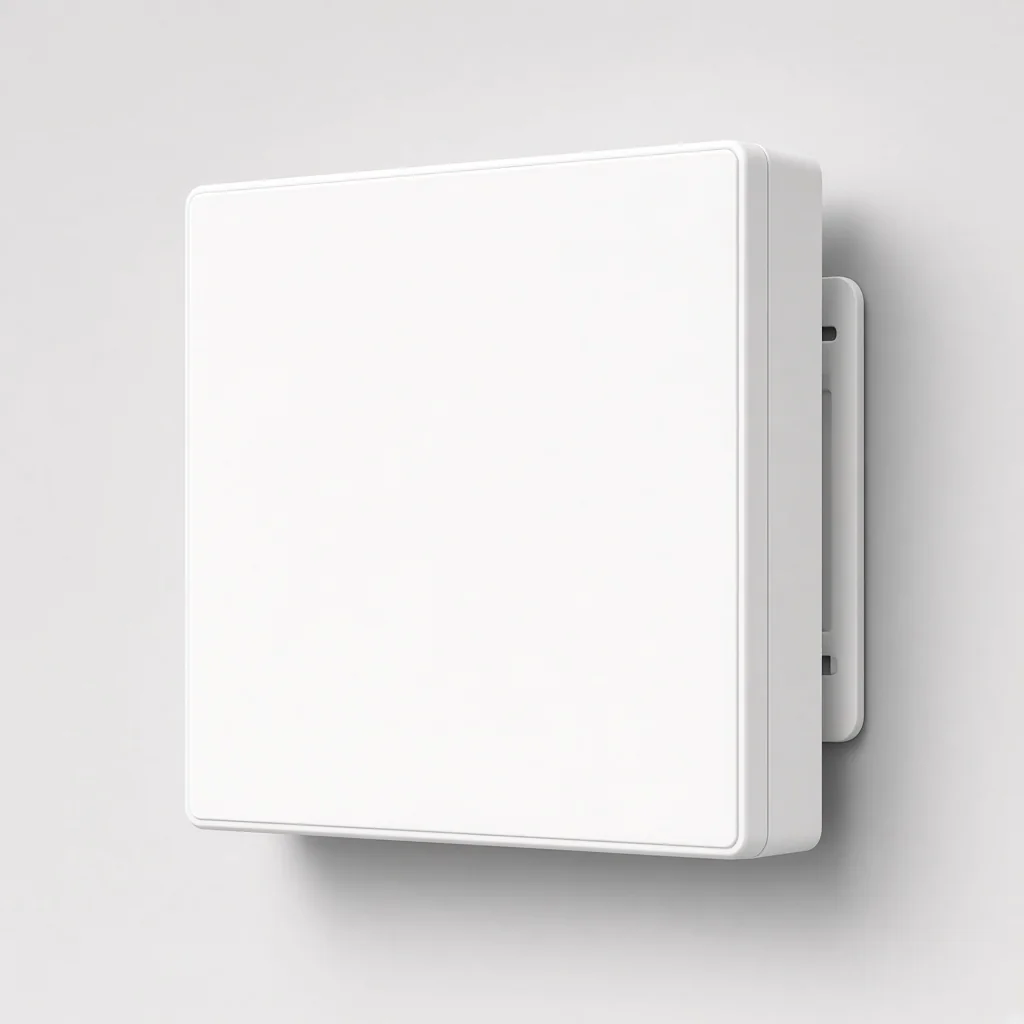
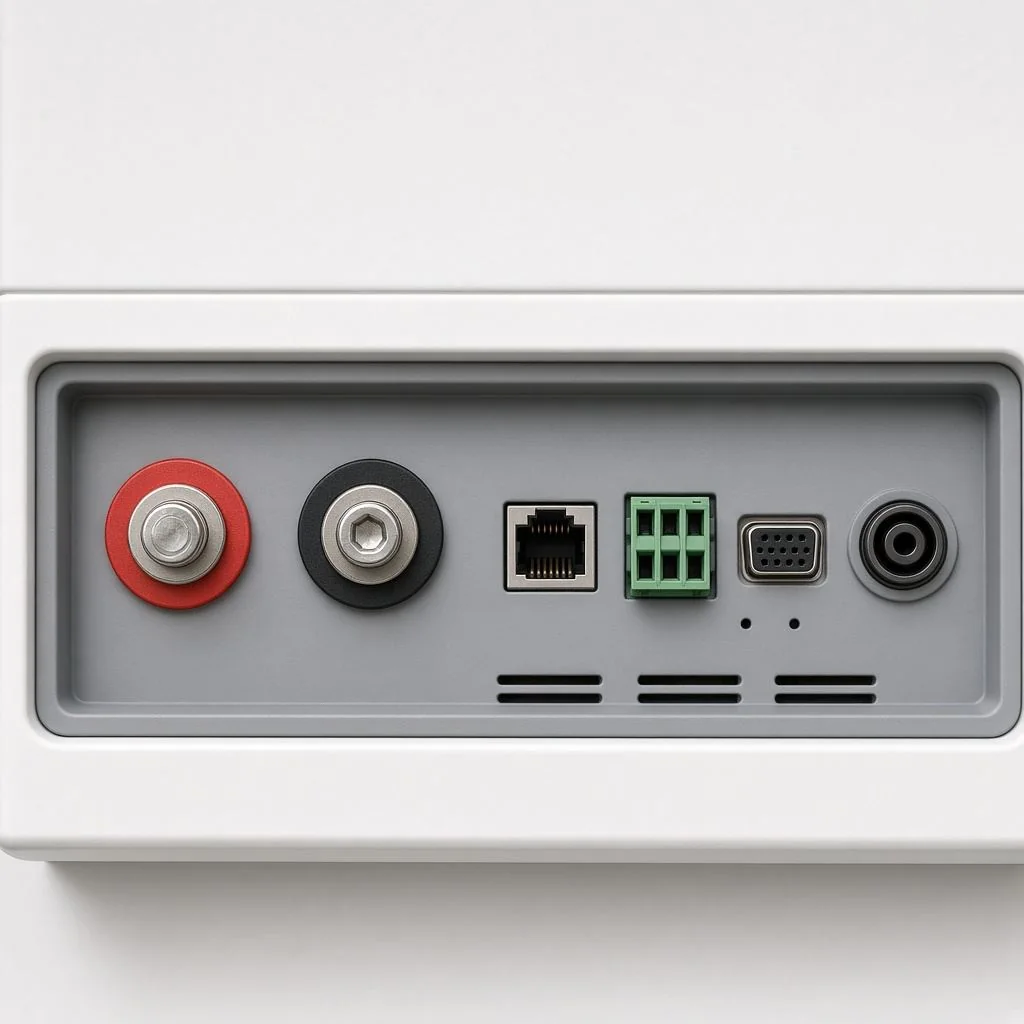
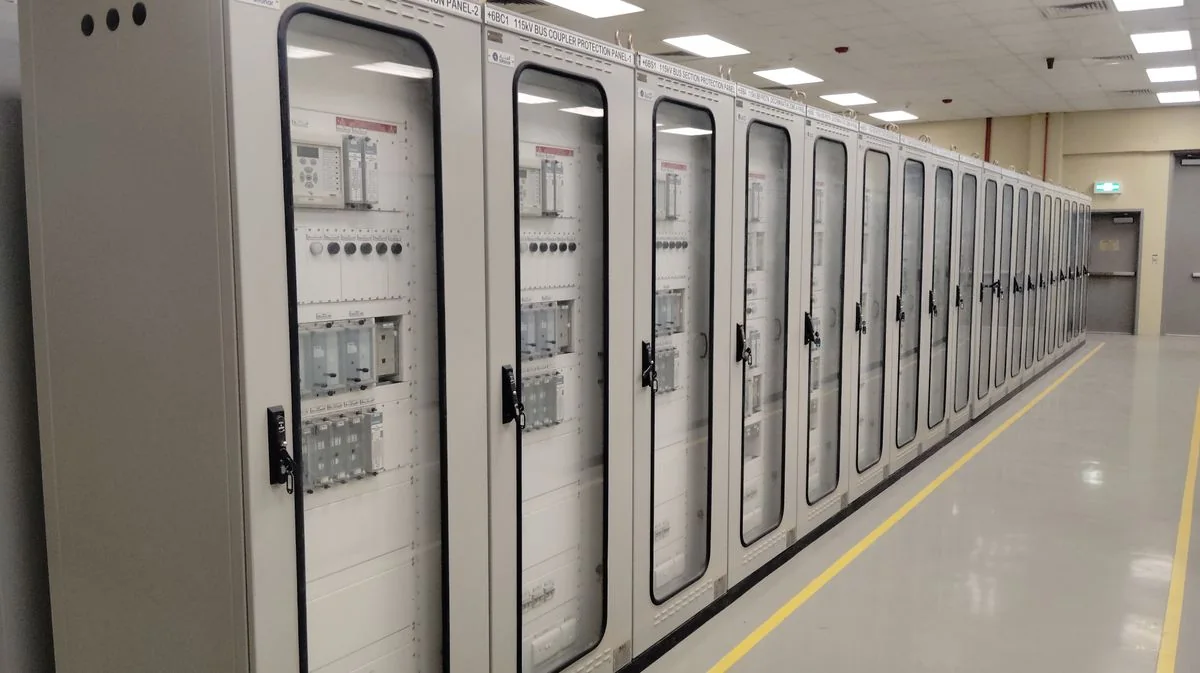
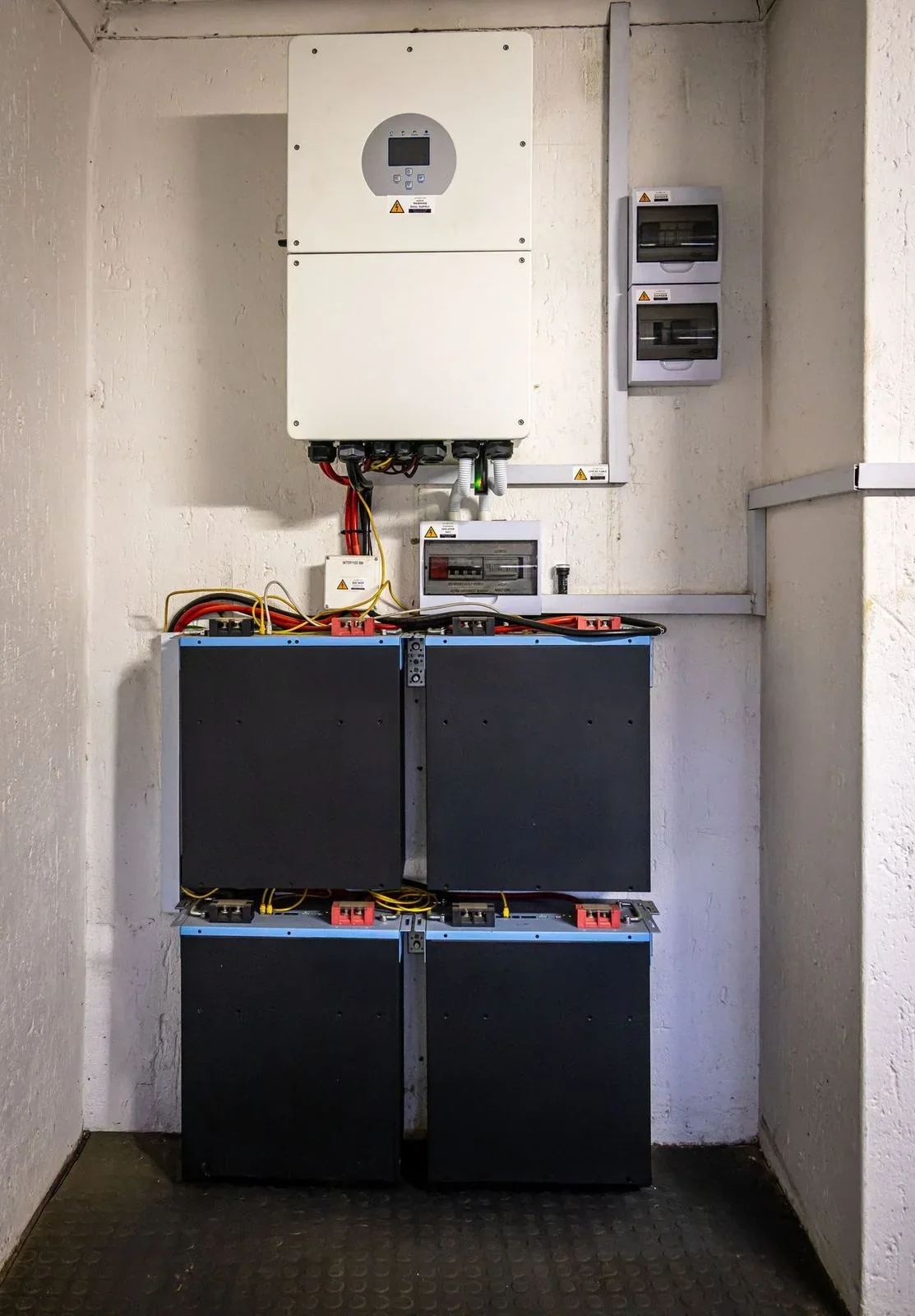
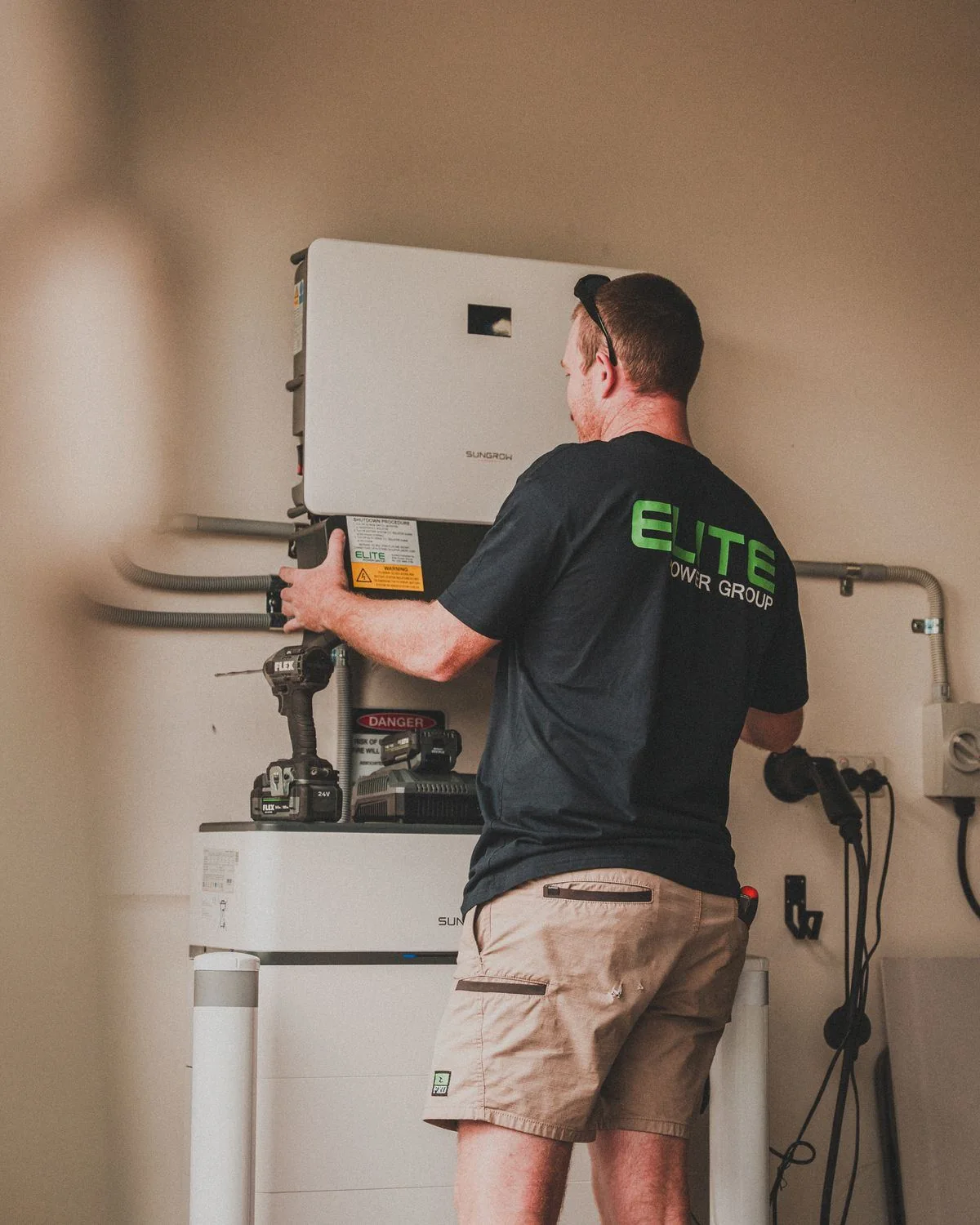
See real solar + battery installations before choosing your battery size, inverter setup, and backup load design.

Check battery cabinet placement, inverter wiring, and solar connection.
See how battery storage is added to an installed solar system.
Check how refrigerator, lights, WiFi, pump, and other critical loads are connected for outage backup.
Yes, but check the inverter first. Inverter type, wiring method, battery voltage, and communication protocol decide whether it can be added directly.
Possibly. New systems usually use a hybrid inverter. Existing solar systems may need AC coupling or an inverter upgrade.
Size depends on evening use, backup loads, backup hours, solar recharge, and inverter power. Start with what you need to keep running, not with price.
Yes, when the system includes backup output and selected loads are connected to the backup panel. Without backup wiring, solar and a battery may not power the home during an outage.
Only when the hybrid inverter supports solar charging in outage mode. Check this before installation.
10kWh can support essential loads such as refrigerator, lights, WiFi, and small devices. Larger loads, longer backup hours, pumps, or air conditioning usually need more capacity.
Yes, when the battery model, inverter, voltage platform, BMS communication, and parallel capacity support expansion.
Cost depends on capacity, hybrid inverter type, backup load design, installation work, and whether you need future expansion. Self-consumption goals also affect the right size.