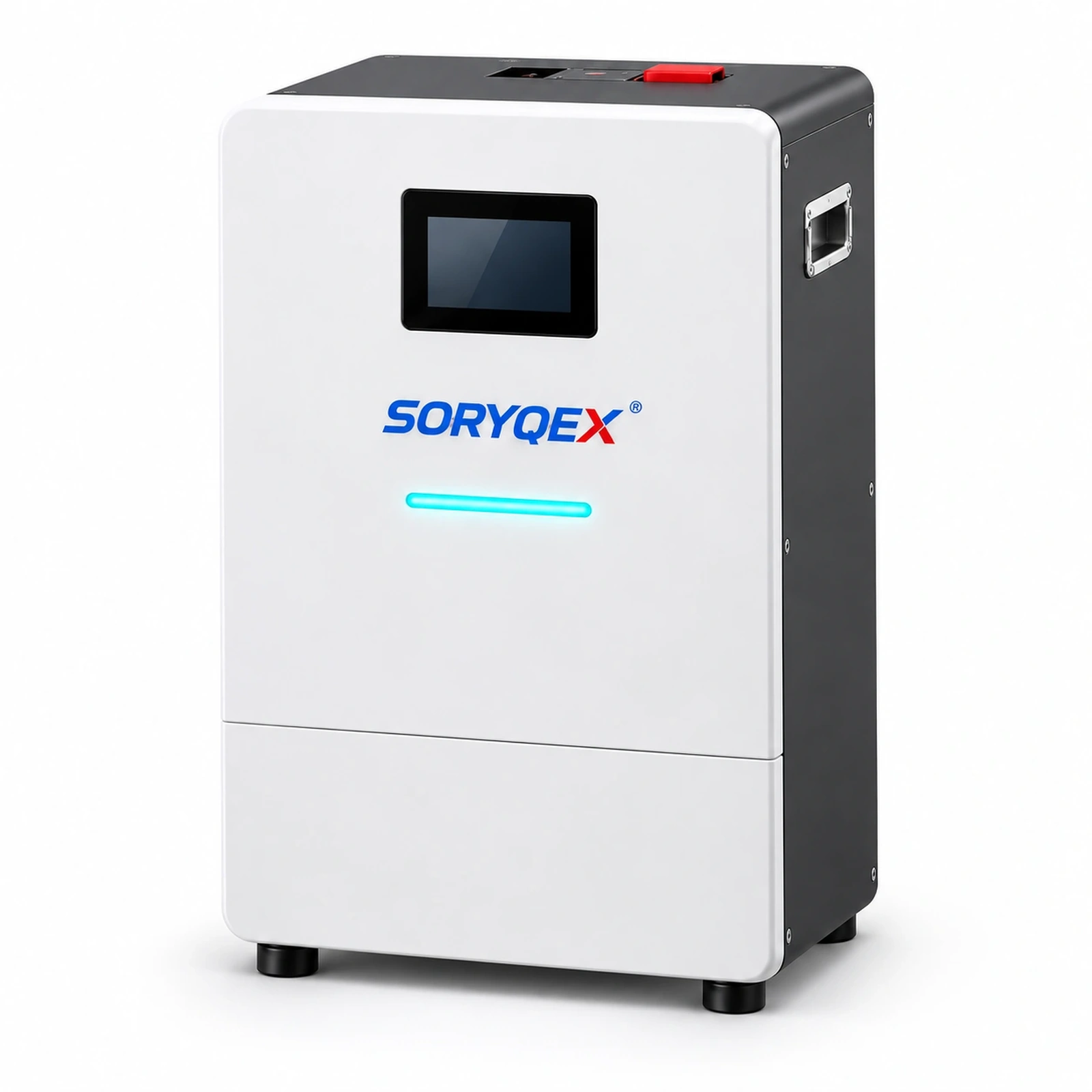
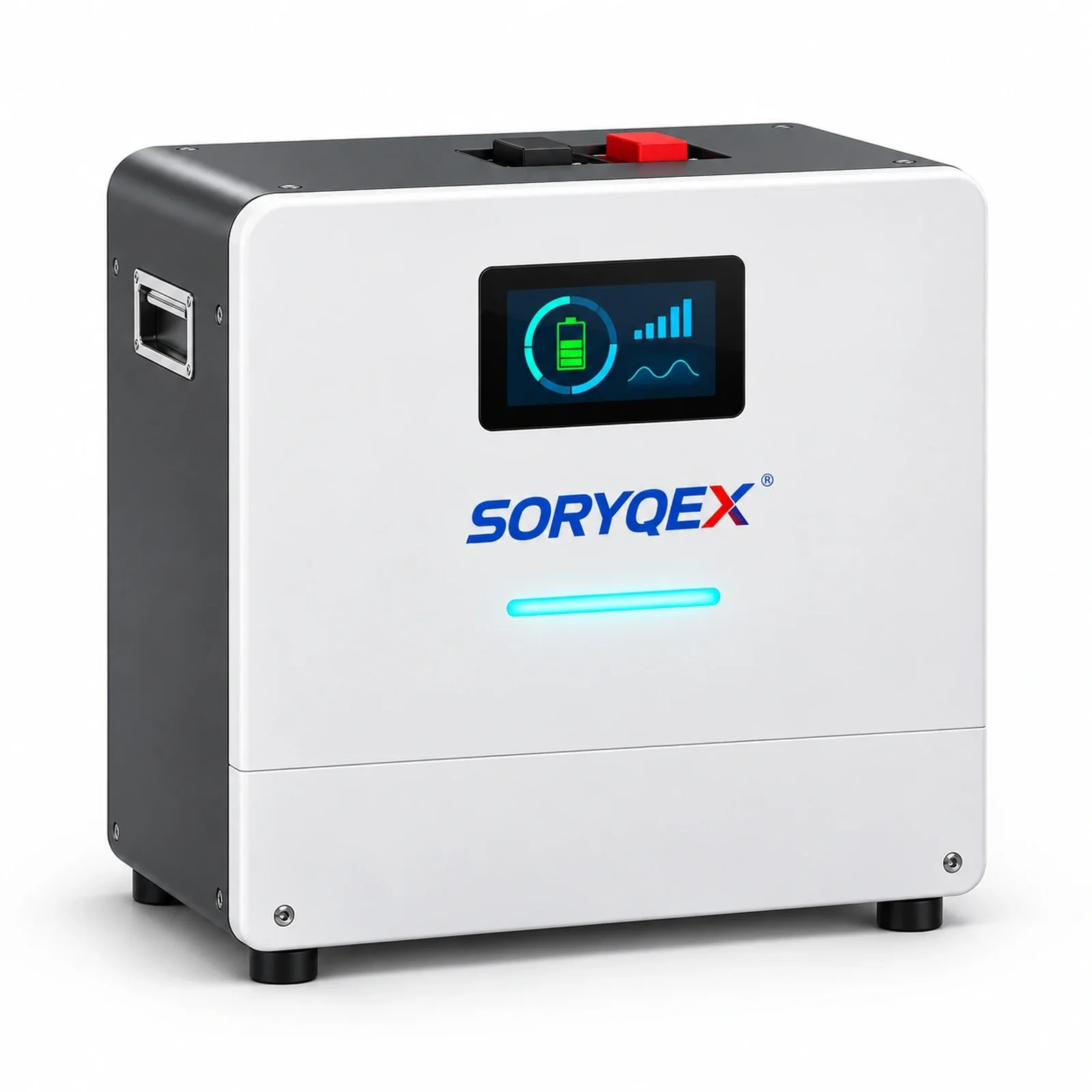
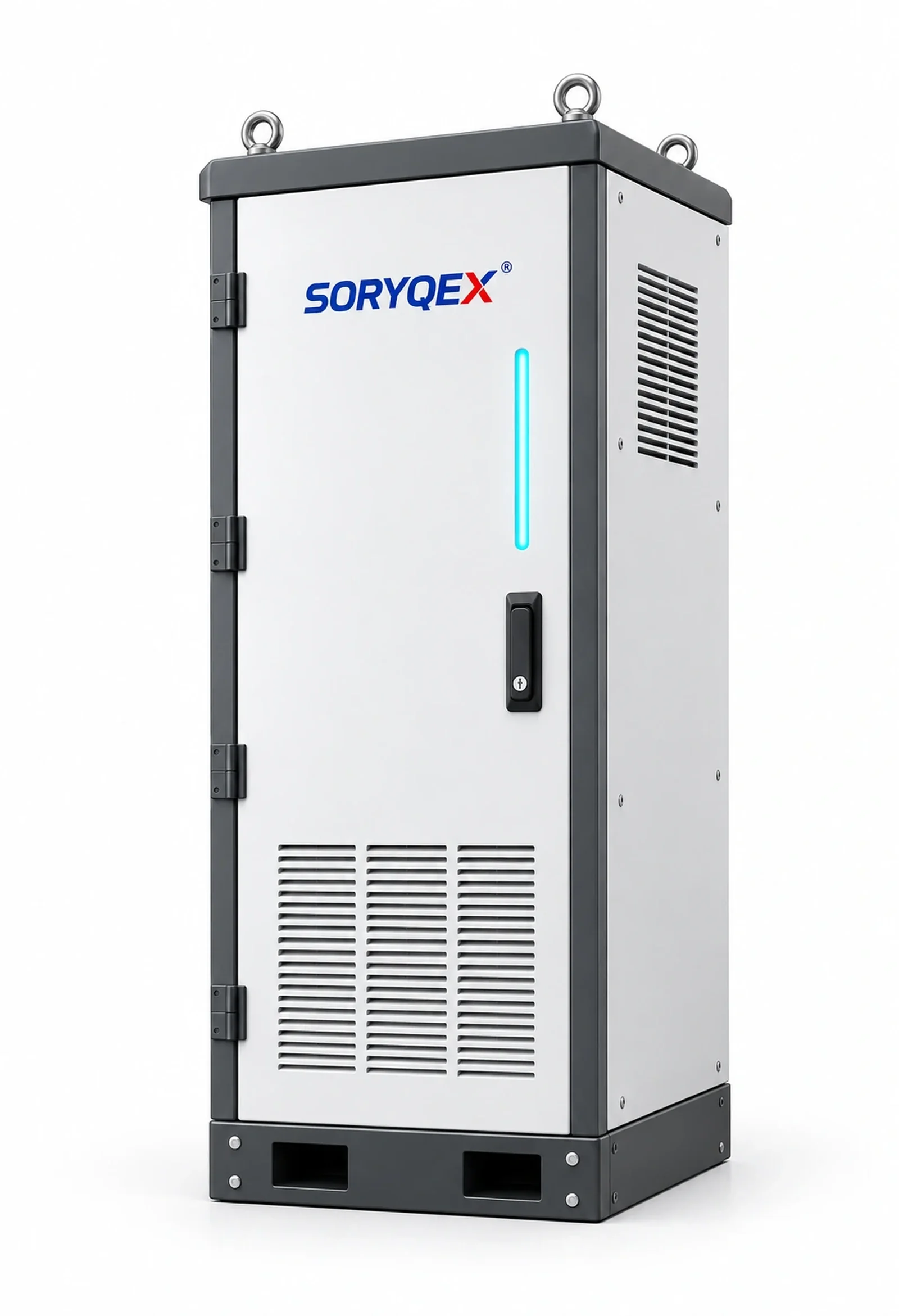
Home Battery
- Best For: Home Backup / Daily Energy Storage
- Load Support: Up to 5kW
- Backup Time: 1.6 Hours at 5kW Load
- Installation: Wall / Floor

Store solar power for nighttime use, home backup, and lower grid dependence with home energy storage systems designed for residential solar applications.
Home energy storage stores solar or grid electricity for later use.
A complete system combines battery storage, an inverter, and system controls to supply stored power at night or during an outage.
Battery capacity is measured in kWh; inverter output is measured in kW.
| Product | Capacity | Load Support | Backup Time | Installation |
|---|---|---|---|---|
| Home Battery | 10kWh / 51.2V / 200Ah LiFePO4 | Up to 5kW | 1.6 Hours at 5kW Load | Wall / Floor |
| Solar Battery | 5.12kWh / 51.2V / 100Ah LiFePO4 | Up to 3.84kW | 4.6 Hours at 1kW Load | Wall / Floor |
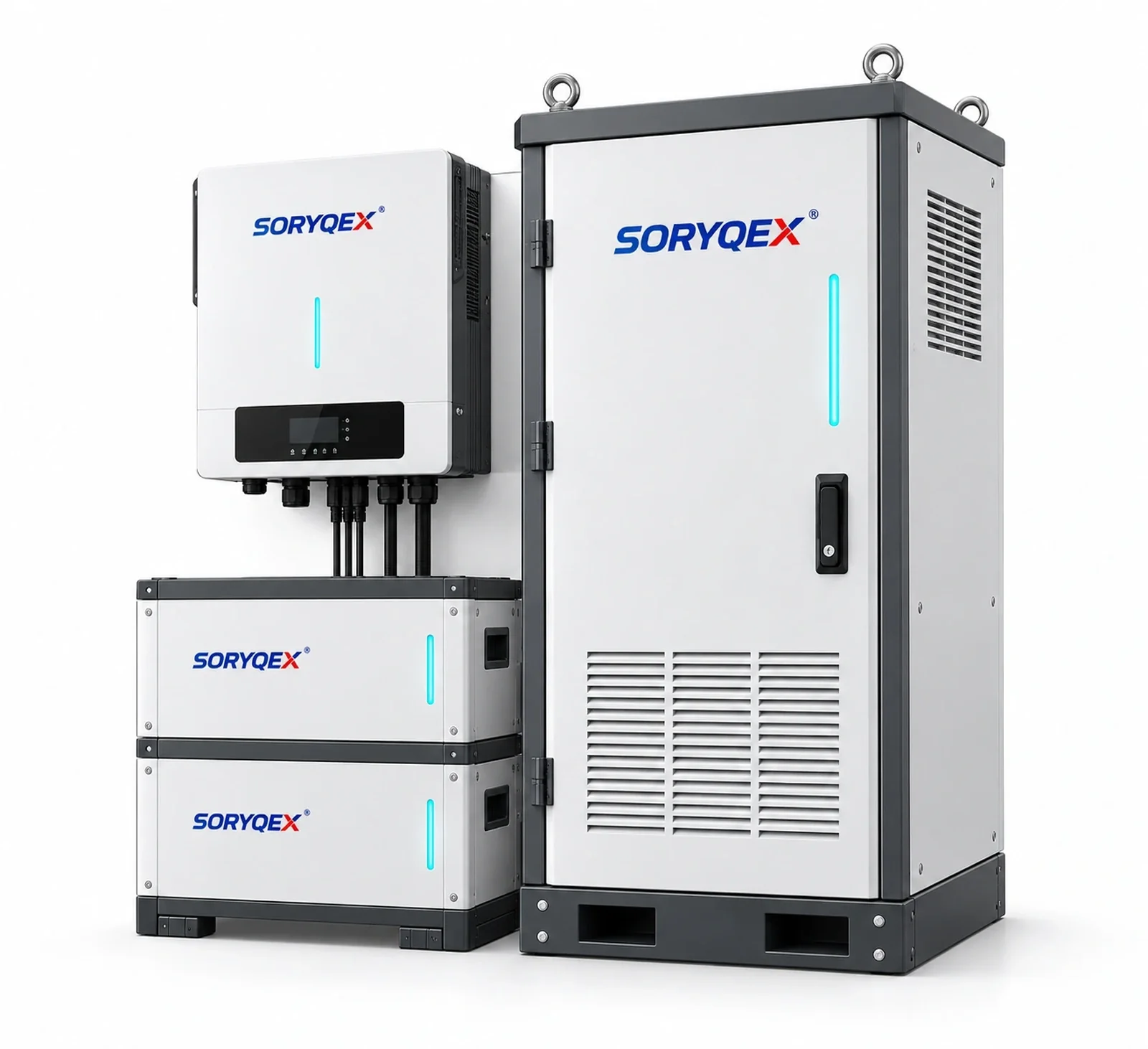
| Complete ESS | 5kW Hybrid Inverter + 10kWh LiFePO4 | 5kW | 2 Hours at 5kW Load | Floor-Standing |
| All-in-One ESS | 10kW Hybrid Inverter + 15kWh LiFePO4 | 10kW | 1.5 Hours at 10kW Load | Floor-Standing |
| Expansion Battery | 48V / 100Ah / 4.8kWh | Up to 4.8kW DC | Adds 4.8 Hours at 1kW Load | Battery Rack / Cabinet |
Choose a home battery for compatible residential inverters, a complete battery energy storage system for solar and backup, or expansion packs for longer runtime.



Looking for more models or a custom configuration? Contact us and we will match the right energy storage products for your project.
Contact UsNo products match. Clear filters to see all.
Most people start with the same question: how much capacity do I actually need?
| What you mainly need | Typical capacity | Notes |
|---|---|---|
| Just keep lights, Wi-Fi, fridge running during short outages | 5–10 kWh | Enough for basic backup. Common in apartments and smaller homes. |
| Have solar and want to use more of your own power at night | 10–15 kWh | Most common range for regular single-family homes. |
| Longer backup or larger house | 15–30 kWh+ | Makes sense when you need more autonomy |
If average daily use is about 15–25 kWh, most people still land in the 10–15 kWh range. Size from overnight use or the outage you want to cover, not from the full daily total alone.
| Type | Best when… | Upside | Downside |
|---|---|---|---|
| Wall-mounted | You don’t have much floor space | Clean look, easy to install | Often one unit first; add a second later if usage is higher. |
| Floor-standing cabinet | You need higher capacity | More energy in one unit, easier to expand | Takes up floor space |
| All-in-one (battery + inverter) | You want a simpler system | Faster install, fewer components | Less flexible if you already have an inverter |
No single “best” option — it really comes down to your daily usage, whether you have solar, and how much backup you actually care about.
| Point | Why it matters |
|---|---|
| Check inverter compatibility first | Voltage range and communication protocol have to match, or you’ll run into issues later |
| Installation location | Batteries don’t like extreme heat or cold, and they need some airflow |
| Critical loads vs whole-home backup | This decision affects system size and whether you need extra transfer equipment |
| Operating mode (if you have solar) | Self-consumption, backup, or time-of-use changes how hard the battery works |
| Professional installation | Has to follow local electrical code |
Not sure where to start? Send over your average daily usage, solar system size (if you have one), and what you mainly want the battery to cover. We can narrow it down from there.
Choose the right residential storage product by your real situation.
| Your Situation | Recommended Product |
|---|---|
| Need battery storage only | Home Battery |
| Store excess solar power | Solar Battery |
| Need battery + inverter | Complete ESS |
| Want an integrated system | All-in-One ESS |
| Need longer backup time | Expansion Battery |
10kWh battery example: 8kWh usable energy �� load = backup time. Battery kWh determines runtime. Inverter kW determines the maximum load the system can supply.
| Continuous Load | Backup Time |
|---|---|
| 500W | 16 Hours |
| 1kW | 8 Hours |
| 2kW | 4 Hours |
| 4kW | 2 Hours |
| 5kW | 1.6 Hours |
Before choosing a home energy storage system, confirm these five items with the exact inverter and solar equipment.
| Check Item | What to Verify |
|---|---|
| Battery voltage | Battery voltage range matches the inverter |
| Inverter power | Continuous and peak output cover the backup loads |
| BMS communication | CAN / RS485 protocol is supported by both devices |
| Solar input | PV voltage, input current, and MPPT range fit the panels |
| Expansion support | Parallel count and charge/discharge limits support the planned capacity |
The table below uses the product names from the Products page and the documented installation and protection specifications available for each product.
| Model | IP Rating | Rated Voltage | Drainage / Installation | Fire Protection |
|---|---|---|---|---|
| Home Battery | IP65 | 51.2V DC | Wall / Floor | Built-in BMS |
| Solar Battery | IP21 | 51.2V DC | Wall-Mounted / Floor-Mounted | Smart BMS / Breaker / Fuse |
| Home Energy Storage System | IP20 | 51.2V DC | Floor Standing | Triple hardware protection |
| All-in-One ESS | �� | �� | Floor-Standing / Stacked | �� |
| Expansion Battery | �� | �� | Battery Rack / Cabinet | �� |
Runtime examples exclude inverter losses. Choose capacity by usable energy and backup at 1kW.
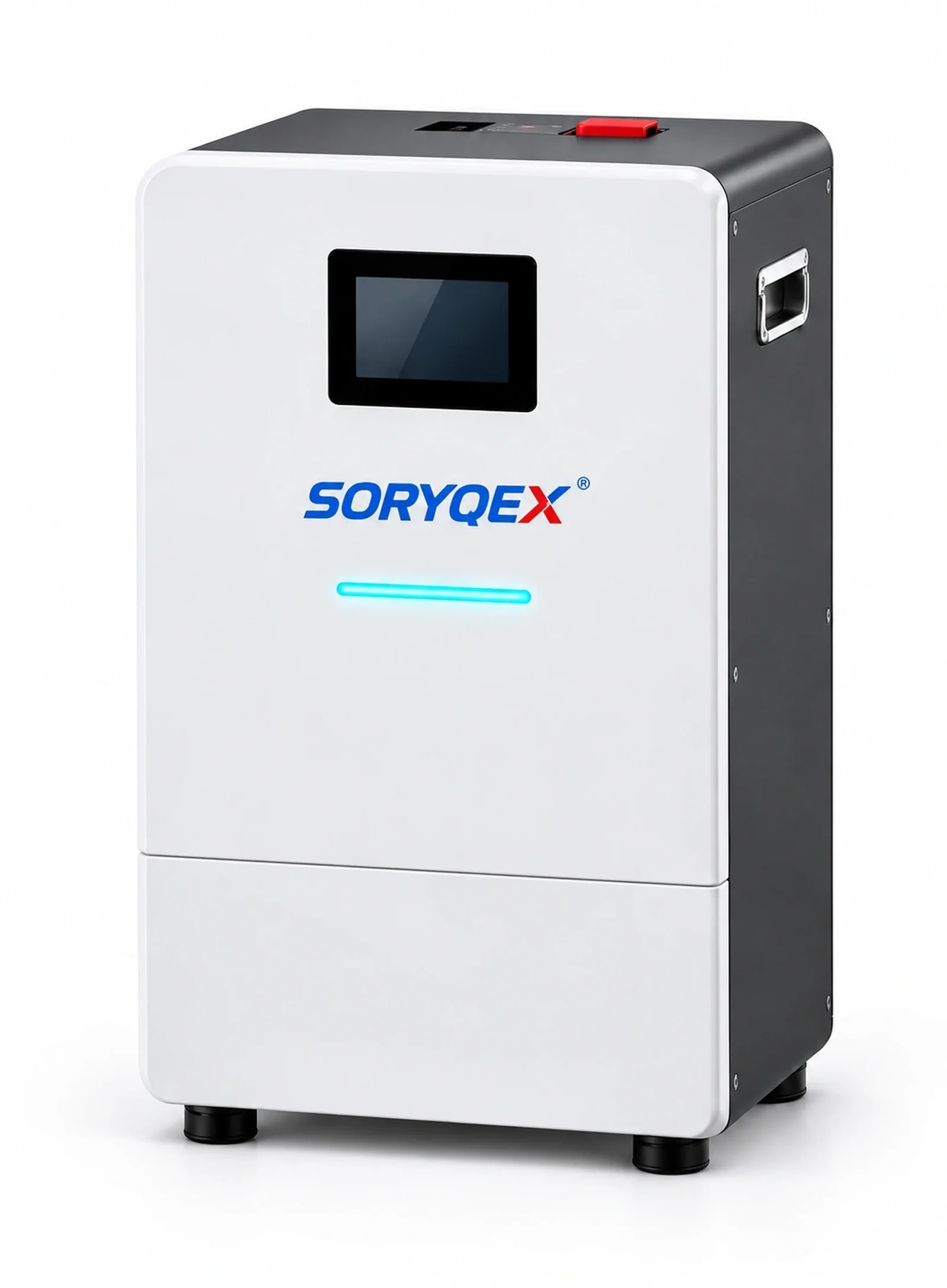

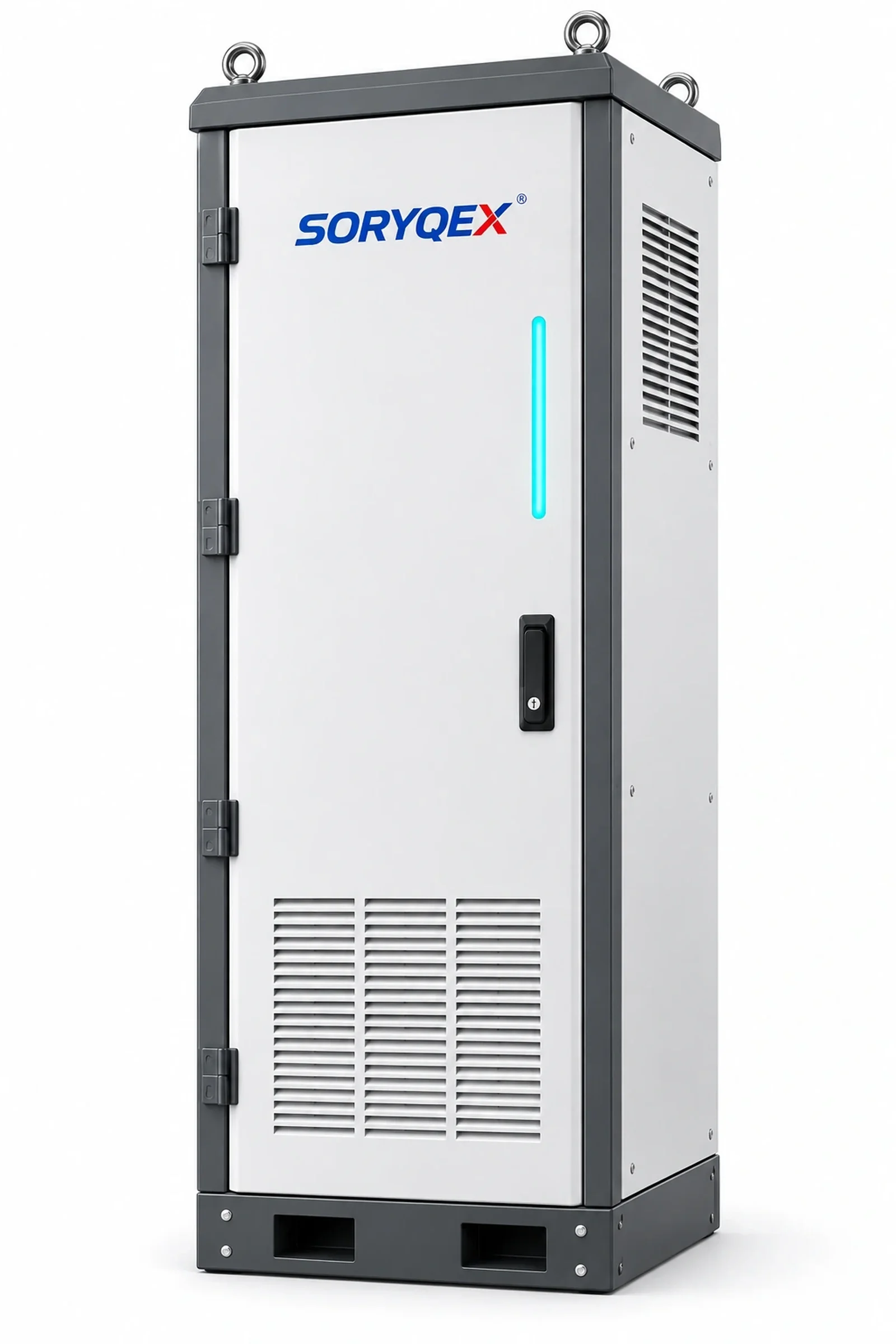
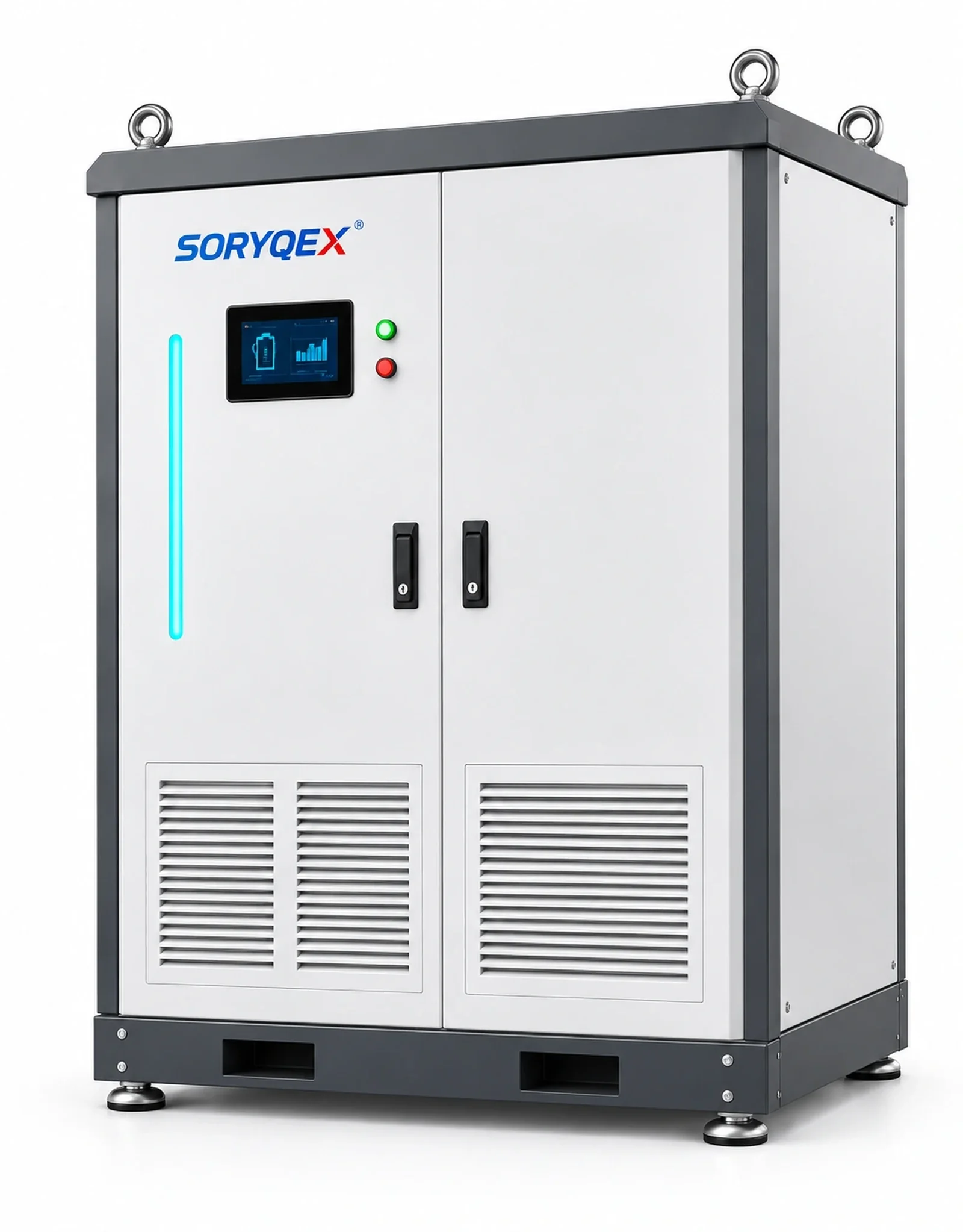
Looking for more models or a custom configuration? Contact us and we will match the right energy storage products for your project.
Contact UsWatch install, charging, expansion, and home backup clips for residential storage products.
Installing a home battery for residential backup.
Solar charging and evening discharge for home self-consumption.
Integrated battery + inverter system installation.
Connecting expansion battery capacity to a compatible system.
Home backup runtime demonstration under household loads.

Looking for more install clips or a custom project walkthrough? Contact us and we will share matching energy storage project videos.
Contact Us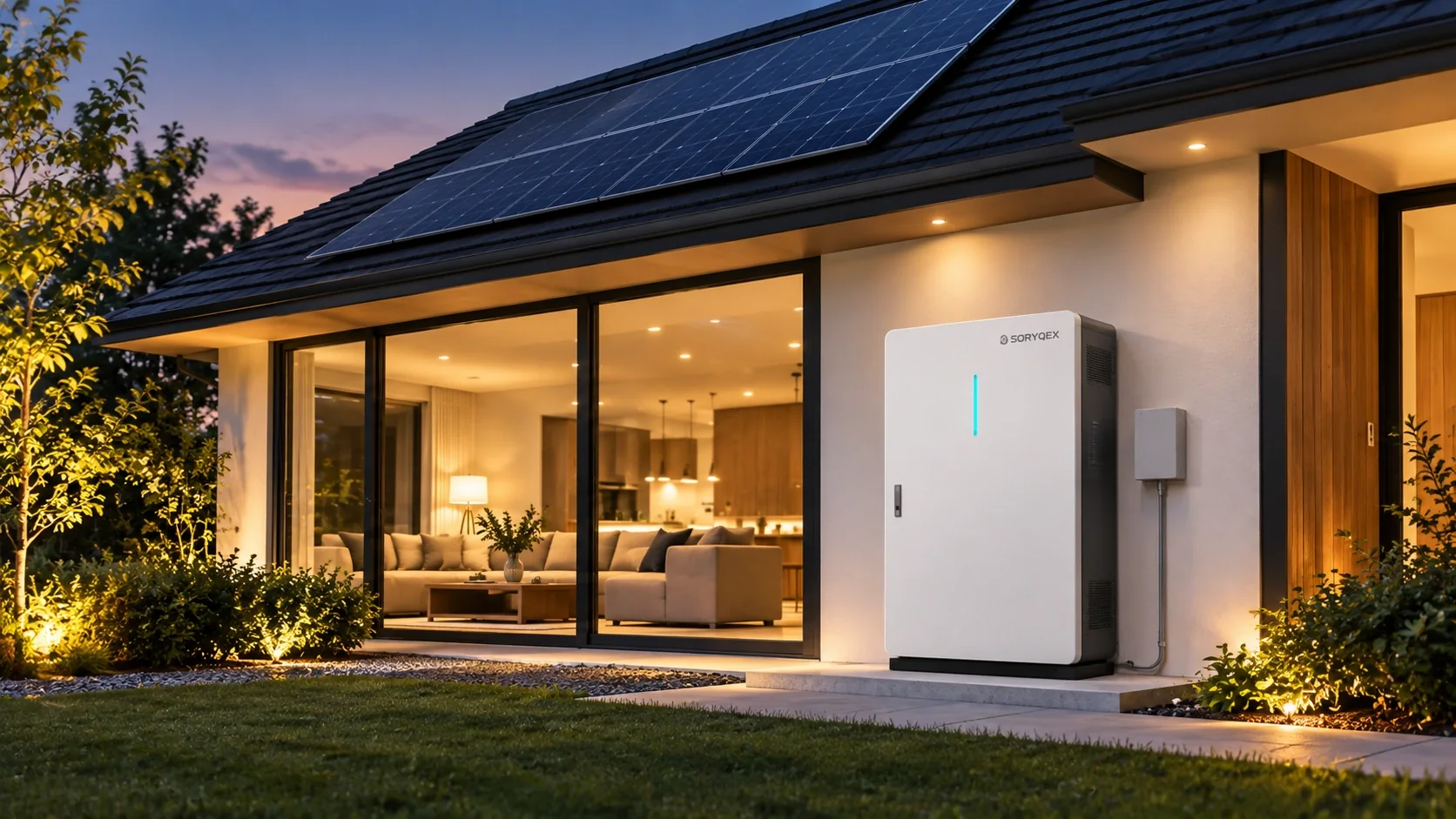
Store solar power for nighttime use with residential battery systems designed for solar homes.
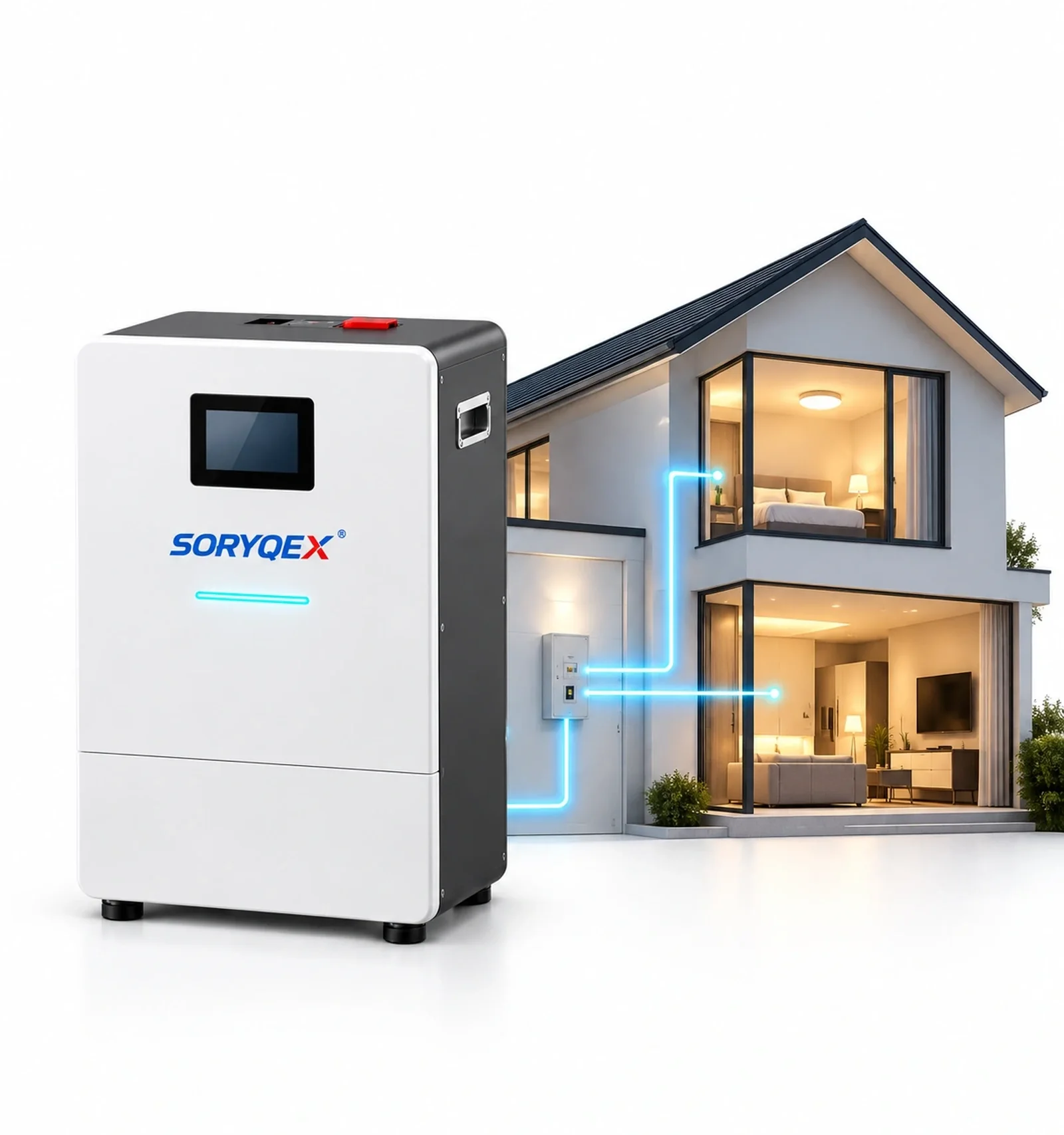
Supply stored power during an outage. Battery capacity is measured in kWh; inverter output is measured in kW.
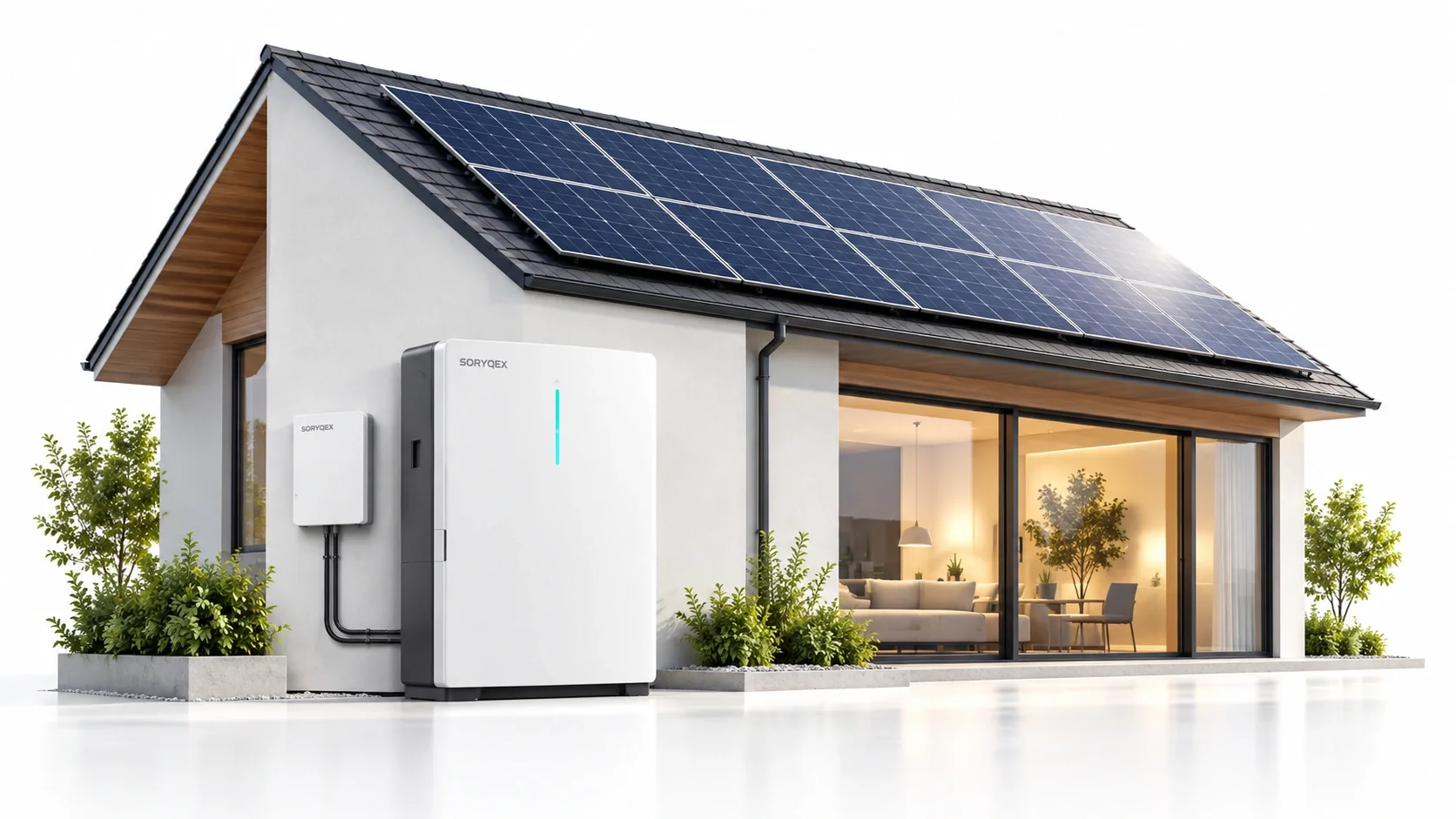
Storage batteries store excess daytime solar power for evening use and backup.
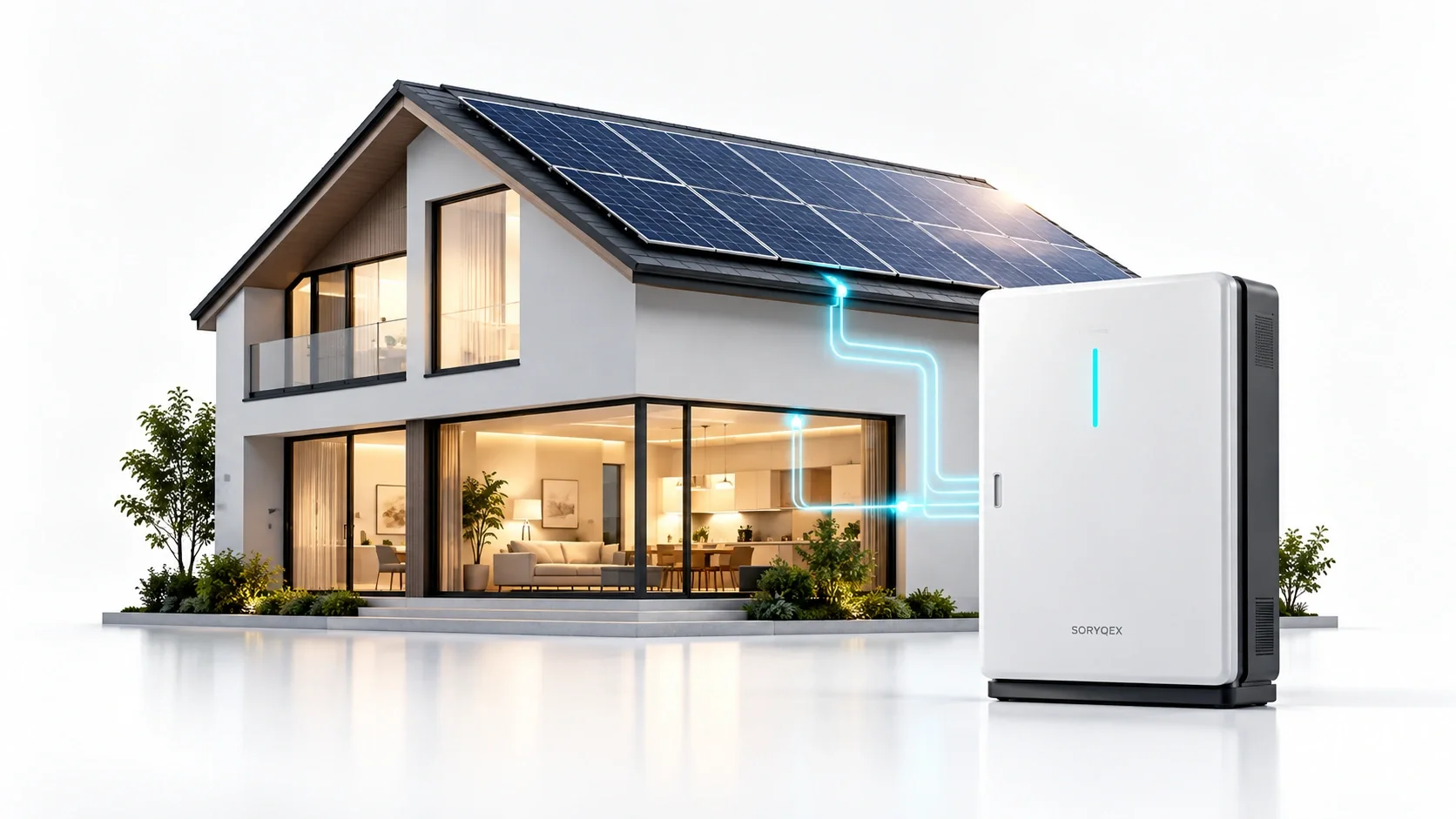
A residential storage system combines battery storage, an inverter, and system controls for daily energy independence.
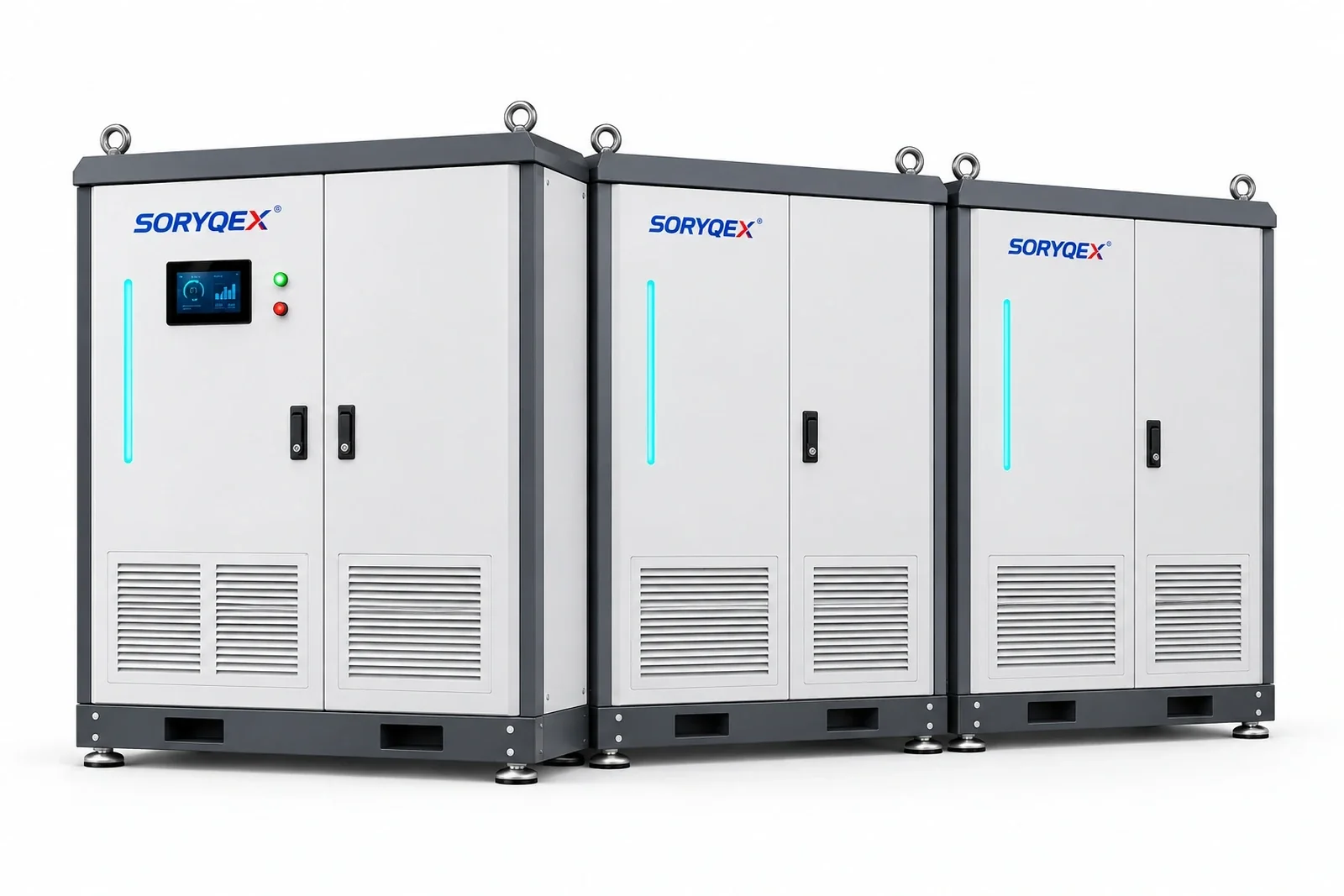
Add battery capacity to a compatible existing system for longer backup and more stored energy.
Match battery voltage, inverter continuous and peak power, BMS communication, and expansion limit.
Match PV voltage, input current, MPPT range, and maximum PV voltage with the inverter.
Choose essential-load or whole-home backup before sizing the system.
Use overnight energy or outage load to choose 5–10kWh, 10–15kWh, or 15–30kWh+.
Confirm location, protection, cabling, clearances, and service access.
It stores solar or grid electricity in batteries for nighttime use and backup power.
Size the battery from the energy required overnight or during an outage, not total daily electricity use alone.
Using 8kWh usable energy, it provides about 8 hours at 1kW, 4 hours at 2kW, or 1.6 hours at 5kW before inverter losses.
Yes, when the inverter, battery voltage, PV configuration, and BMS communication are compatible.
Yes, when battery capacity and inverter output are sufficient for the connected household loads.
Yes, when the battery platform and inverter support parallel expansion.
A Home Battery requires a compatible inverter. An All-in-One ESS integrates the battery and inverter into one system.