Normal Power
Business loads run from grid power or solar power before an outage.
Keep POS, lights, WiFi, refrigeration, security, and office equipment running when grid power fails.
Commercial backup power for stores, restaurants, offices, farms, warehouses, commercial buildings, and small factories.
Power outages stop the equipment your business needs to serve customers, protect inventory, and keep work moving. A backup system is worth checking when one outage can cost more than protecting the critical loads first.

Solution
Start with the loads that cannot shut down: POS, refrigeration, WiFi, lights, security, pumps, office equipment, and control systems.
These standby power solutions use battery storage, inverter or PCS, backup output, wiring, and monitoring to keep selected business loads running during outages.
Battery backup systems are quieter than diesel backup and easier to combine with solar power. Generators can still help with long outages or heavy loads, but many buyers compare battery systems first for daily business continuity.
Normal Power: Business loads run from grid power or solar power.
Outage Backup: Selected critical loads receive power from the battery system.
Solar Support: Solar projects can connect battery storage, inverter or PCS, backup output, and monitoring.
Power Recovery: Battery recharges when grid power or solar power is available again.

Match outage protection to the site type before sizing the battery system. Choose what must stay on first. Whole-site backup can be sized later.
Keep checkout, lights, WiFi, cameras, and refrigerators running. Critical loads: POS, lights, WiFi, cameras, refrigerators, and door systems.
Protect freezers, refrigerators, POS systems, lighting, and ventilation. Critical loads: freezers, refrigerators, POS systems, lights, ventilation, and security equipment.
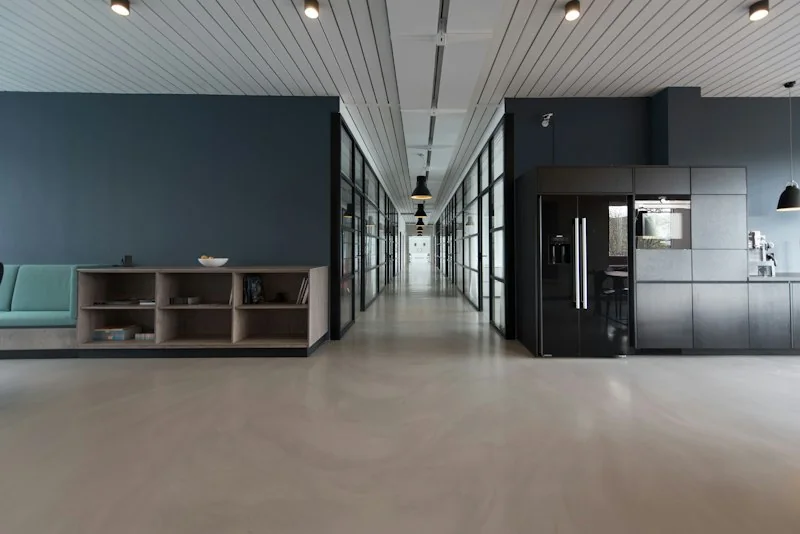
Support routers, computers, small servers, access control, and lighting. Critical loads: computers, routers, small servers, lighting, access control, and communication equipment.

Power pumps, gates, cameras, ventilation, and basic equipment. Critical loads: pumps, gates, ventilation, monitoring systems, cameras, and basic equipment.

Emergency lighting, access control, security, routers, elevators controls, and selected office loads.
Control systems, emergency lighting, network equipment, pumps, and selected production support loads.
Building battery backup should be sized from the real load list, not from building size alone.
Specification range
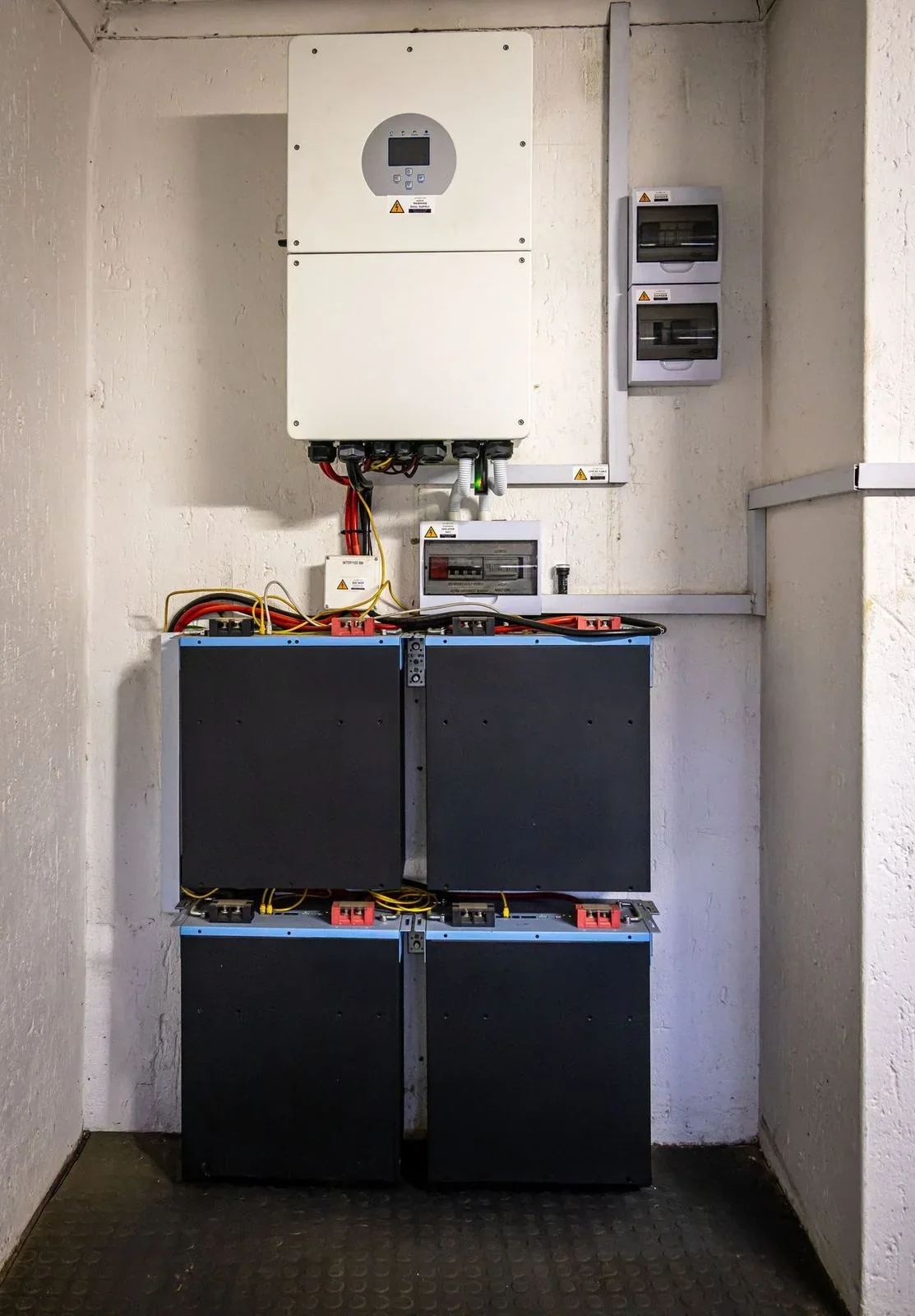
Choose system size by what must stay on and how long it needs to run. Commercial power backup system sizing should focus on critical loads first, not every load in the building.
Business loads run from grid power or solar power before an outage.
Selected critical loads receive power from the battery system, inverter or PCS, and backup panel.

Battery recharges when grid power or solar power is available again.
Capacity band
Best for
Small store / Office
Typical loads
POS, WiFi, lights, cameras, and basic business backup

Capacity band
Best for
Restaurant / Farm / Warehouse
Typical loads
Refrigeration loads and small commercial backup power projects
Capacity band
Best for
Larger commercial sites
Typical loads
Multiple critical loads, solar backup, and longer outage protection
Capacity band
Best for
Factory / Commercial park
Typical loads
Load shedding backup, solar storage, and large backup projects
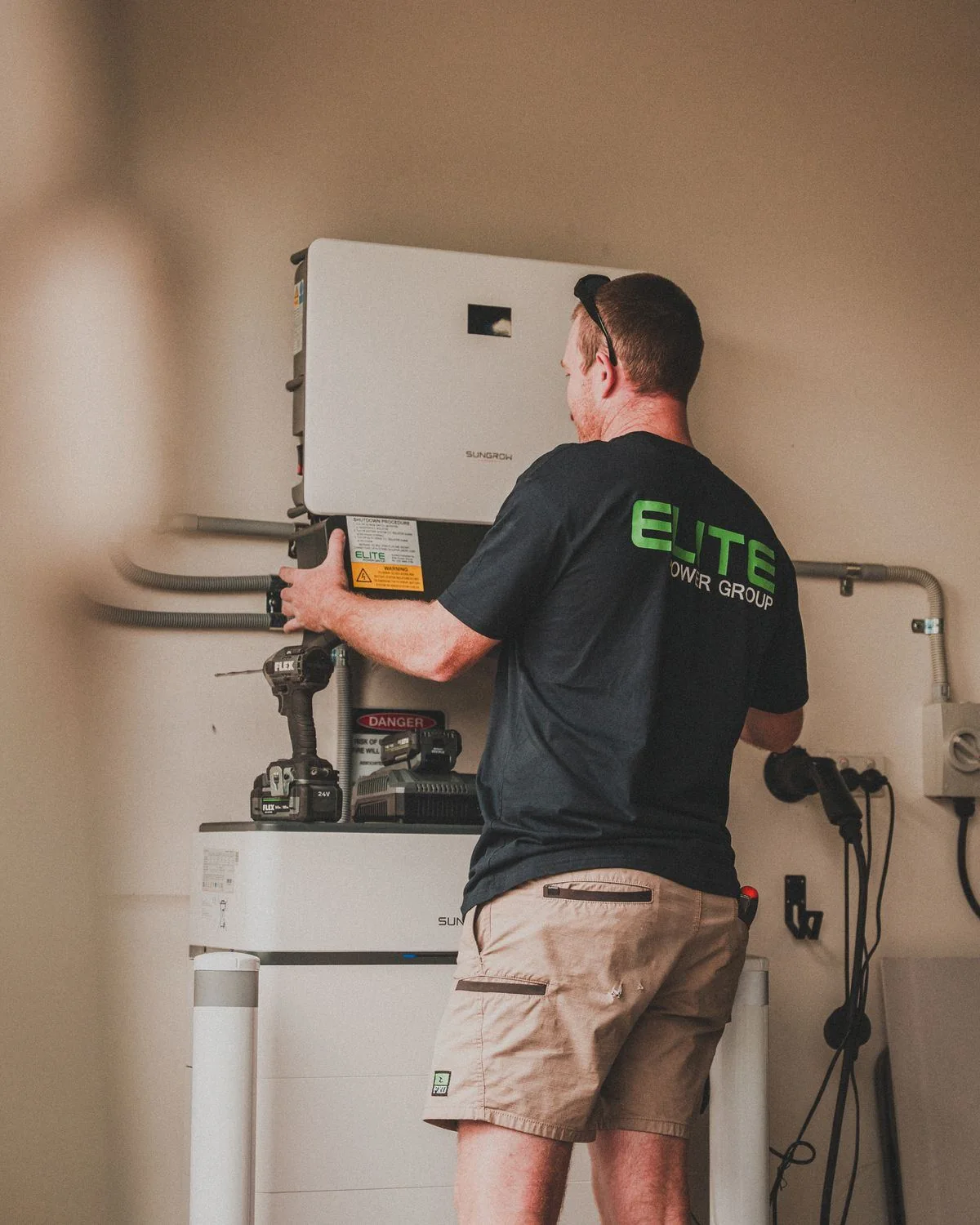
See real commercial backup power installation examples before choosing your system. Project videos help buyers understand space, wiring, connection, and real site operation before ordering.
Battery placement, cabinet setup, and site wiring.
Power conversion, protection wiring, and communication setup.
Critical load panel connection for selected business loads.
Solar input, battery storage, backup output, and monitoring operation.
System size depends on your critical load list, required backup time, usable battery capacity, inverter or PCS output, and single-phase or three-phase power needs. Start with the loads that must stay on first.
Yes for many short and medium outage needs, especially selected critical loads. For long outages or very heavy loads, a battery system may work together with a generator. Many buyers compare diesel options before choosing battery backup.
Yes, but compressor startup current must be checked before sizing. Backup time depends on the number of units, load power, usable battery capacity, and inverter or PCS output.
Yes. Solar backup projects need the right solar inverter, PCS or hybrid inverter, battery capacity, backup output, protection design, and monitoring setup.
Sometimes, but whole-site backup needs a larger system and detailed electrical design. Most businesses start with POS, refrigeration, WiFi, lighting, security, office equipment, pumps, or other critical loads first.
Runtime depends on usable battery capacity and the actual load connected to the system. A load list is required before confirming backup time.
Cost depends on battery capacity, inverter or PCS size, backup panel, wiring, solar integration, monitoring, installation condition, and future expansion needs.
Cost depends on solar size, battery capacity, inverter or PCS design, backup load panel, grid connection, installation labor, and monitoring requirements.
Best selection depends on critical loads, required backup time, phase type, installation space, solar connection, expansion plan, and budget. Small stores may start around 30kWh, while larger commercial projects may need 100kWh or more.
Yes, when the battery platform, BMS, PCS or inverter, cabinet space, and site wiring support expansion. Expansion should be confirmed before installation.