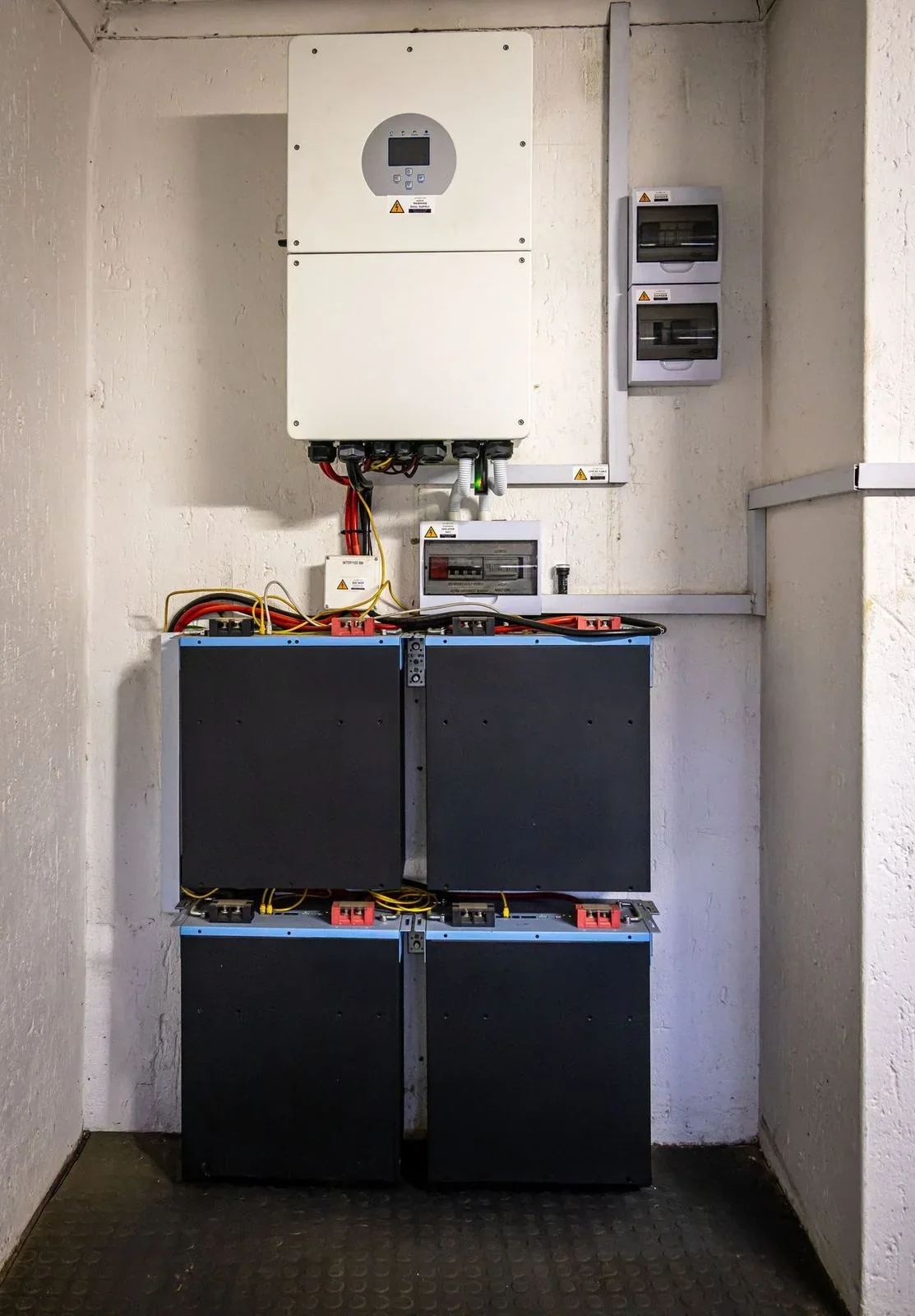
High electricity bills are often caused by short demand spikes, not only total energy use. Your bill may increase when the site reaches a high kW peak during the billing cycle. HVAC, compressors, pumps, motors, production equipment, or EV chargers can create one short peak that affects the whole month. Solar can reduce kWh use, but demand charges may remain when site load rises faster than solar output. Without a demand-control battery system, your site may keep pulling full peak power from the grid during high-load periods.
High Demand Charges
Short Spike, Full-Month Cost
Solar Does Not Always Stop Peaks
No Load Control
Solution
Peak Shaving Solution
Battery storage releases power during high-load periods, so your site draws less peak power from the grid.
Detect Load Spikes — Site load is monitored before demand reaches the target limit.
Discharge Battery Power — A battery energy storage system for peak shaving supplies part of the load during expensive demand periods.
Reduce Grid Demand — Energy storage lowers the highest grid draw instead of only reducing total kWh use.
Recharge at the Right Time — Charging can happen during low-load periods or from solar when solar and energy storage are used together.
System sizing should start from the equipment groups that create the same-time demand spike at your site.
Recommended Products
Choose a system based on peak load size, target kW reduction, peak duration, solar input, and site schedule. Key sizing rule: PCS kW reduces the peak. Battery kWh keeps the reduction running.
50kWh Battery
Capacity
50kWh
Voltage Platform
High Voltage Rack System
Recommended For
Small commercial building / Workshop / Farm loads / Light demand reduction
System Fit
Small commercial battery storage
60kWh Battery
Capacity
60kWh
Voltage Platform
High Voltage Rack System
Recommended For
Commercial building / Solar storage / Short peak demand reduction
System Fit
Commercial peak shaving battery system
100kWh Battery
Capacity
100kWh
Voltage Platform
High Voltage Battery Energy Storage System
Recommended For
Factory / Warehouse / Supermarket / EV charging support
System Fit
Battery energy storage system for peak shaving
215kWh Battery Energy Storage System
Capacity
215kWh
Voltage Platform
Outdoor Cabinet Energy Storage System
Recommended For
Industrial facility / Commercial park / Large peak demand management
System Fit
Industrial demand management solution
Project Videos
Real project videos help buyers check installation space, cabinet layout, PCS connection, load control, and site operation before choosing a system.
Commercial Peak Shaving Project
Project Type: Commercial battery storage. System Focus: Demand charge reduction. Site Type: Building / Retail / Hotel.
Factory Battery Storage Installation
Project Type: Industrial battery storage. System Focus: Peak demand management. Site Type: Factory / Workshop.
BESS Cabinet Installation
Project Type: Outdoor energy storage cabinet. System Focus: Battery + PCS + control system. Site Type: Industrial facility.
Yes, when demand charges are based on peak kW and the battery system is sized to discharge during peak load periods. Utility bill data and load profile are needed before confirming savings.
How do I know if peak shaving is worth it?
It is worth checking when your bill has demand charges, high peak kW, short load spikes, or equipment that starts at the same time.
What size battery do I need for demand reduction?
System size depends on target kW reduction, peak duration, PCS power, battery capacity, operating schedule, and whether solar charging is included. Key rule: PCS kW reduces the peak. Battery kWh keeps the reduction running.
How does peak shaving work for my site?
The battery discharges when site demand rises, reducing the peak power pulled from the grid during that period.
Can it work with solar panels?
Yes. Solar can reduce daytime energy use, while the battery discharges during high-load periods to reduce demand peaks.
What is the difference between load shifting vs peak shaving?
Load shifting moves energy use from expensive periods to cheaper periods. Demand-spike control focuses on reducing the highest demand spike that creates demand charges.
What is the difference between demand reduction vs demand response?
Site-controlled demand reduction lowers your own peak demand. Demand response usually follows a utility or grid request to reduce load during specific events.
What information do you need to calculate savings?
Savings analysis needs utility bills, demand charge rate, load profile, maximum kW demand, peak duration, operating hours, solar system size, and site electrical information.
How should I match PCS power and battery capacity?
Choose PCS kW for the target peak cut, then size battery kWh for how long that cut must last. PCS kW reduces the peak. Battery kWh keeps the reduction running through the spike window.