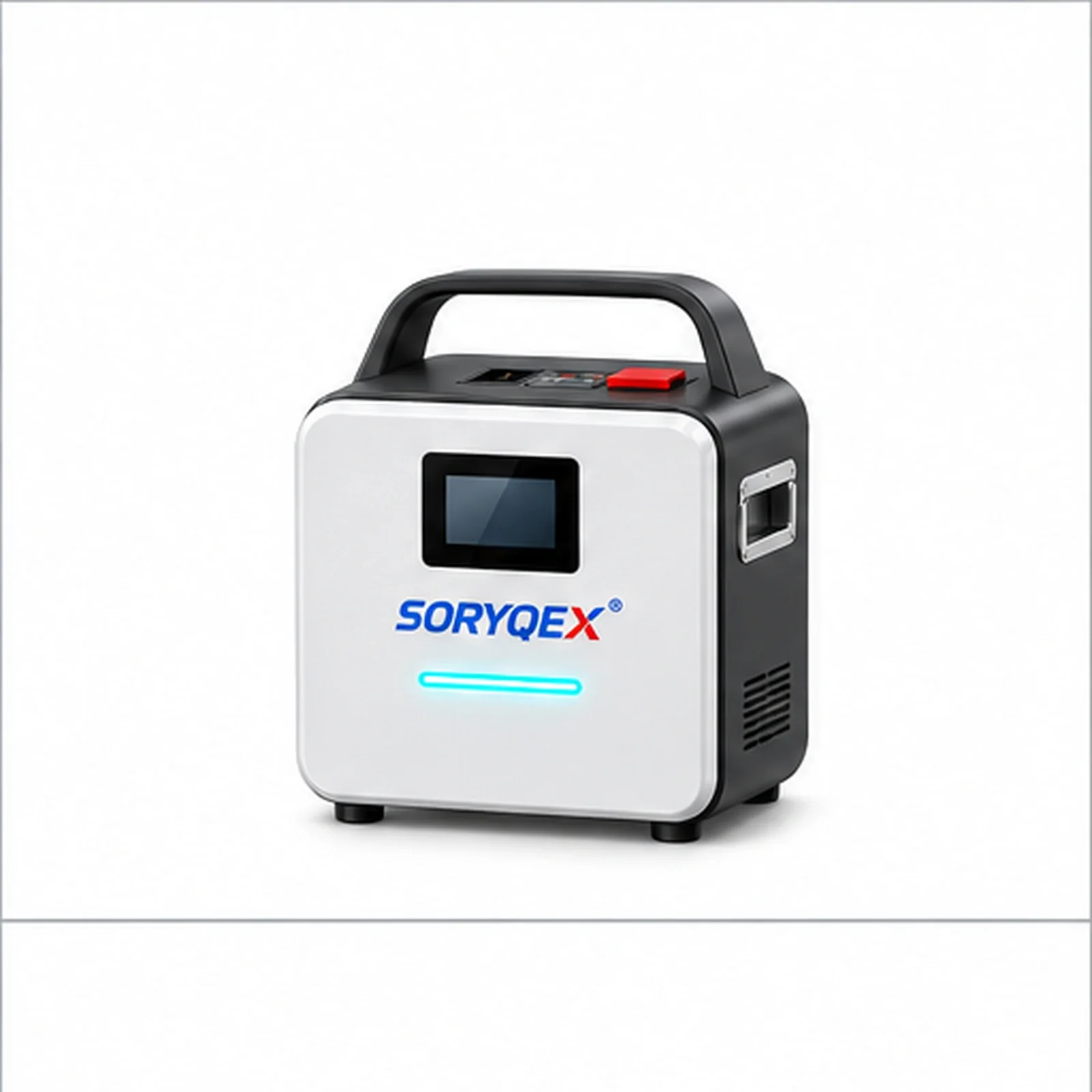
500W Solar Generator
- Capacity: Use product datasheet value
- Power: 0.5kW
- Project Fit: Camping / Mobile Charging / Small Devices
- System Format: Portable Power Station + Solar Panel

Solar Generator kits for home backup, camping, RV power and off-grid use, helping you choose by capacity, power and charging method.
A solar generator is a battery-based power system that stores electricity and supplies AC, DC or USB power for appliances and devices. It solves the fuel, noise and indoor-use problems of gas generators, while giving buyers a cleaner option for backup power, camping and RV use. This category helps you compare models by capacity, output power, solar charging method, application and system format. Before choosing, check the battery capacity, rated power, solar input, charging time and whether the system supports extra batteries or solar panels.
Compare solar generator models by capacity, power, project fit, and system format.
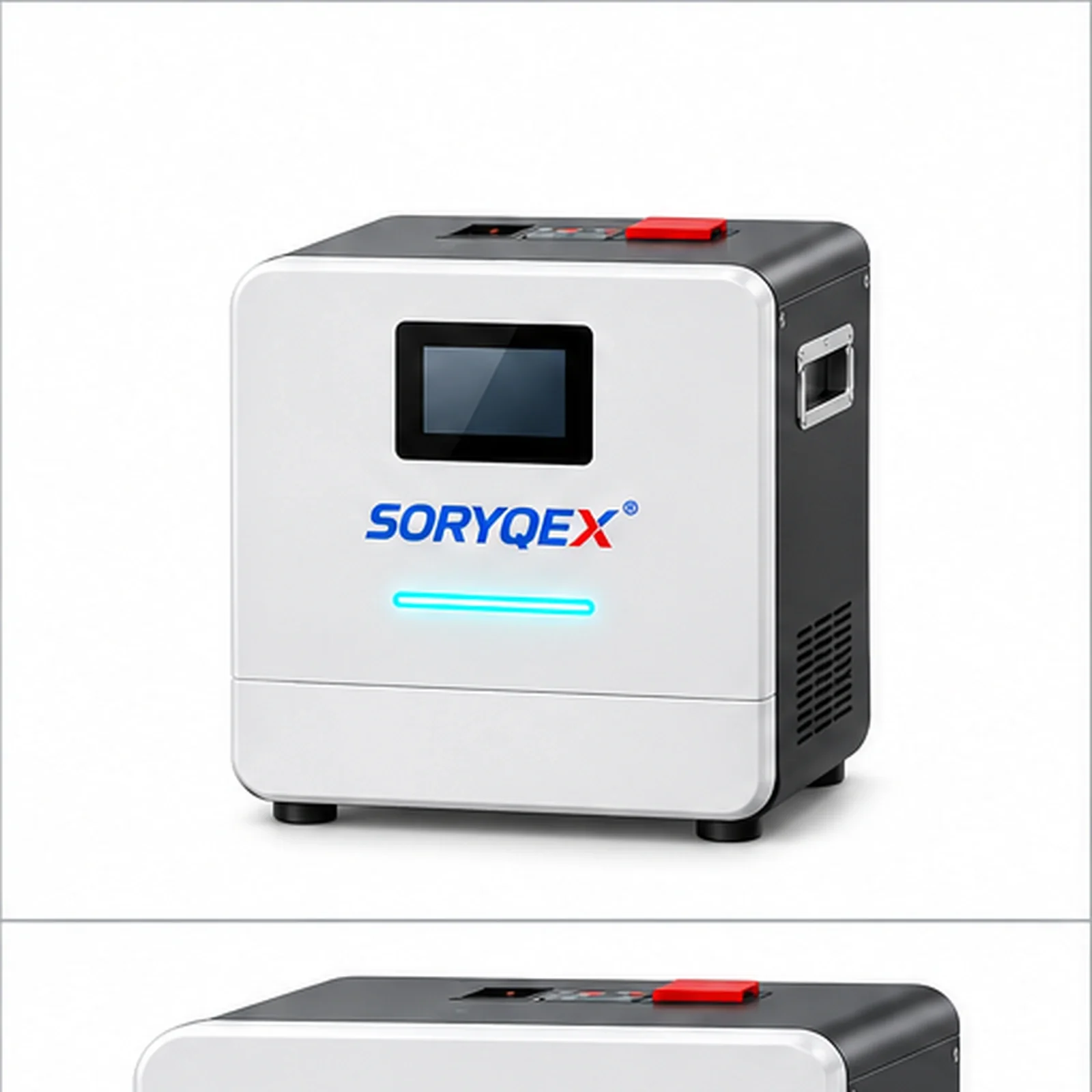


Looking for more models or a custom configuration? Contact us and we will match the right energy storage products for your project.
Contact UsNo products match. Clear filters to see all.
A system should be selected by both power and runtime.
Power decides what appliances it can run.
Capacity decides how long those appliances can run.
For home backup, check the actual wattage of each load before choosing. A refrigerator, router, CPAP, lights and microwave all require different output and runtime.
A solar panel generator must be checked by how it recharges, not only by battery capacity.
When the kit includes panels, check solar input wattage and full recharge time before choosing.
Choose capacity by the devices you need to run and the backup time you expect.
Best for mobile charging, lights, phones, laptops and short outdoor use.
Best for camping backup, small appliances and light emergency use.
Best for RV power, refrigerator backup and outdoor appliances.
Best for higher-load backup, RV systems and longer outdoor power use.
Best for larger backup systems where higher capacity, stronger output and possible expansion are needed.
The table below uses public reference specifications for comparable solar generator systems.
| Model | IP Rating | Rated Voltage | Drainage / Installation | Fire Protection |
|---|---|---|---|---|
| 500W Solar Generator | IP54 | 12V DC | Station + Solar Panel | BMS / over-voltage protection |
| 1000W Solar Generator | IP54 | 43.2V DC | Station + Solar Panel | BMS / over-voltage / short-circuit protection |
| 2000W Solar Generator | IP65 | 12V DC output / 100–120V AC output | Station + Solar Panel | Over-temperature / short-circuit protection |
| 3000W Solar Generator | IP65 | 51.2V DC | Station + Solar Panel | BMS / over-current protection |
| 5000W Solar Generator | IP65 | 51.2V DC | Station + Solar Panel + Expansion Battery | BMS / over-current protection |
Use product videos to confirm what the system can really do. Recommended videos: Solar panel connection, Home backup use, Camping setup, RV power setup, Charging test, Appliance runtime test, Expansion battery setup.
Solar panel connection for a complete backup kit.
Home backup use during outage loads.
Camping setup with a portable battery kit.
RV power setup and solar recharging.
Charging test for solar, wall and car input.
Appliance runtime test for refrigerators, lights and small loads.
Expansion battery setup for longer backup time.

Looking for more install clips or a custom project walkthrough? Contact us and we will share matching energy storage project videos.
Contact Us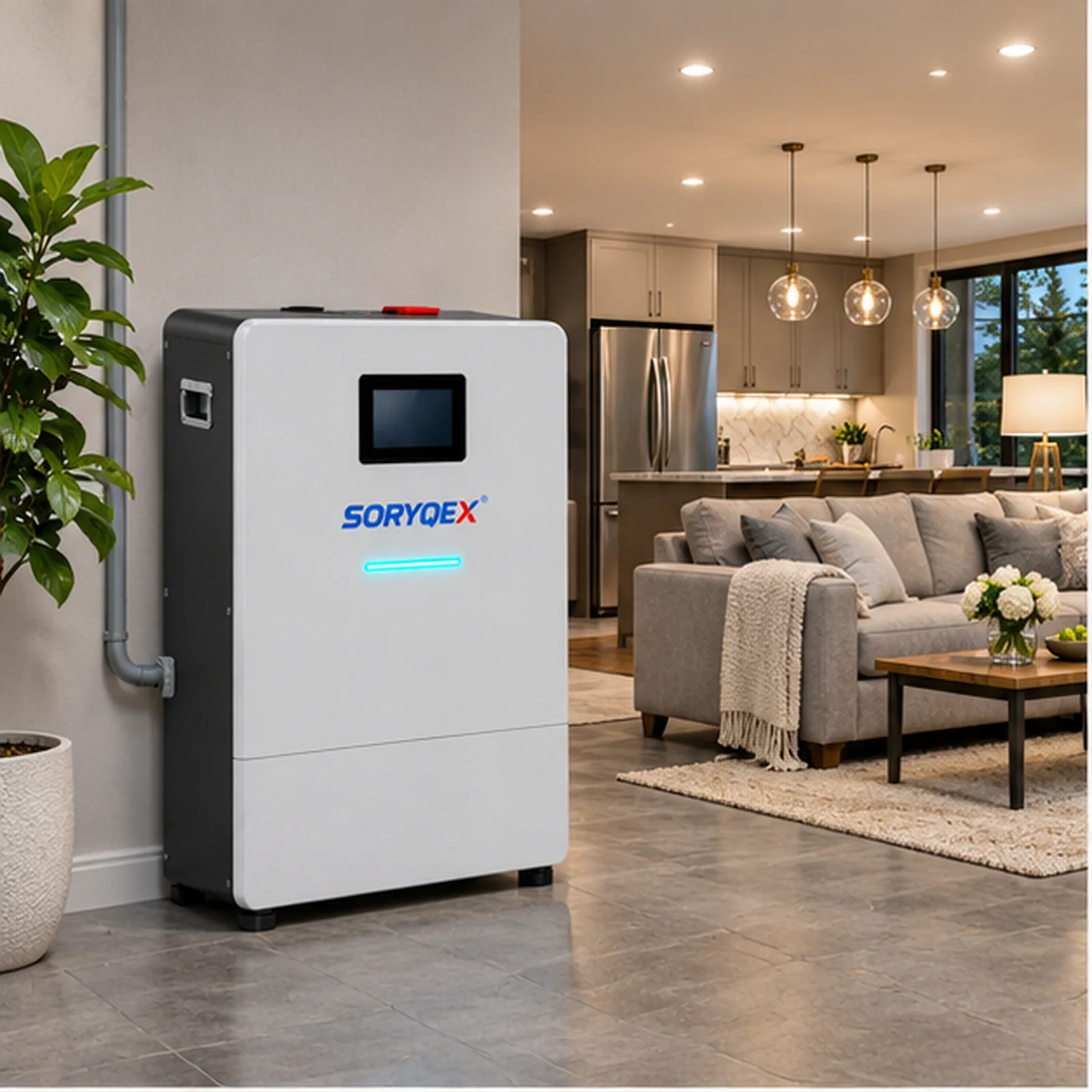
For backup during outages, a solar generator for home should be selected by the loads you need to keep running, such as a refrigerator, router, lights, phone charging or medical device.

For camping, choose a portable unit that is easy to move, charges from solar panels and powers small devices, lights, coolers or outdoor equipment.
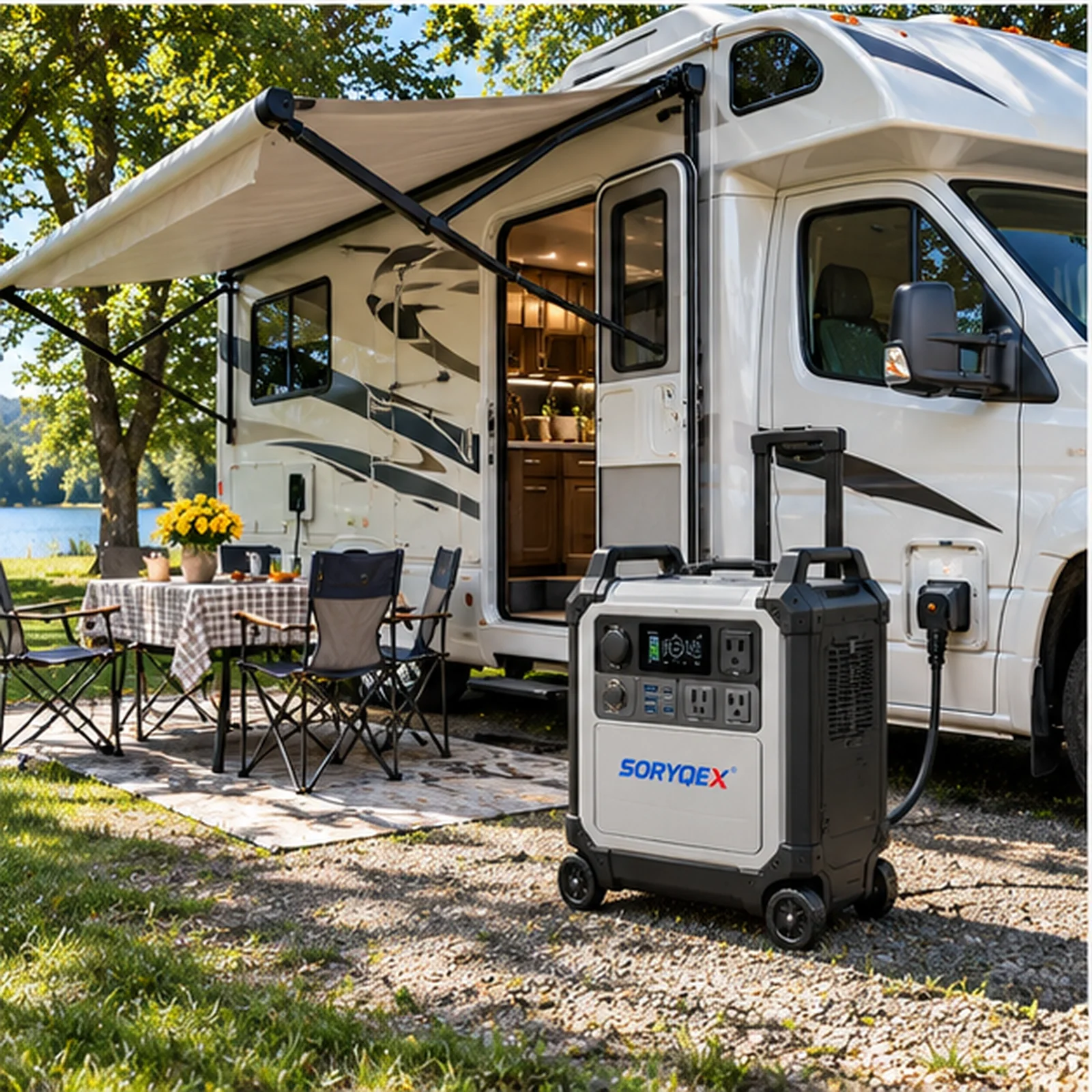
For RV power, choose by AC output, battery capacity, solar input and whether the system can recharge from solar panels during travel or parking.
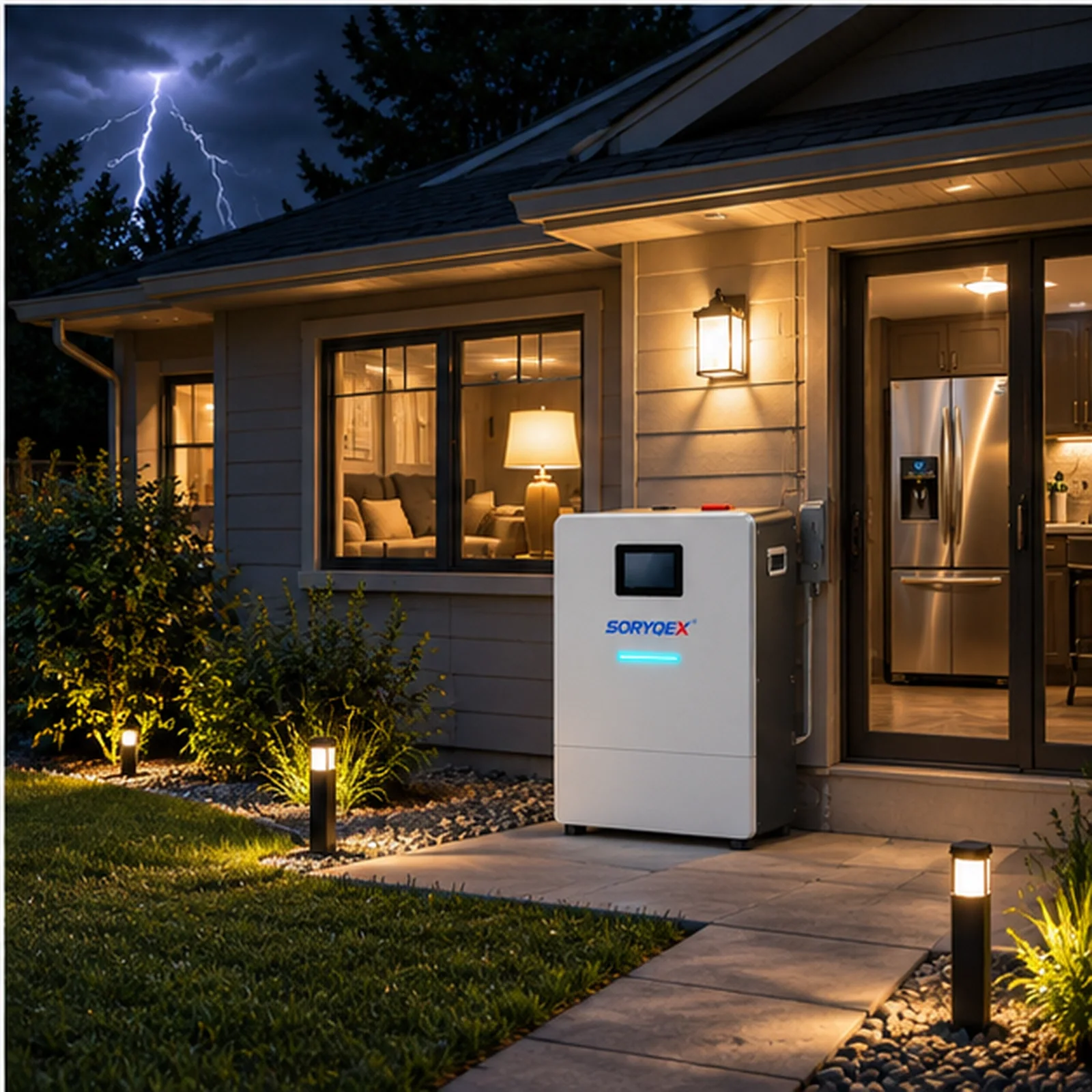
For emergency use, focus on stable output, battery capacity, recharge method and whether the system can be stored and used quickly when power is lost.
Choose by appliance wattage, total battery capacity, charging method and required backup time.
Yes, if the rated power and battery capacity match the refrigerator’s running and starting power requirements.
Battery-based systems can be used indoors when the product manual allows it and ventilation requirements are followed.
No. A solar powered generator includes battery storage and power outputs. Solar panels are used to recharge the system.
Some large systems can support selected home circuits, but whole-house backup should be handled by a dedicated high-capacity solution with proper electrical design.
It depends on the solar input rating, panel wattage and required recharge time.