
Daytime
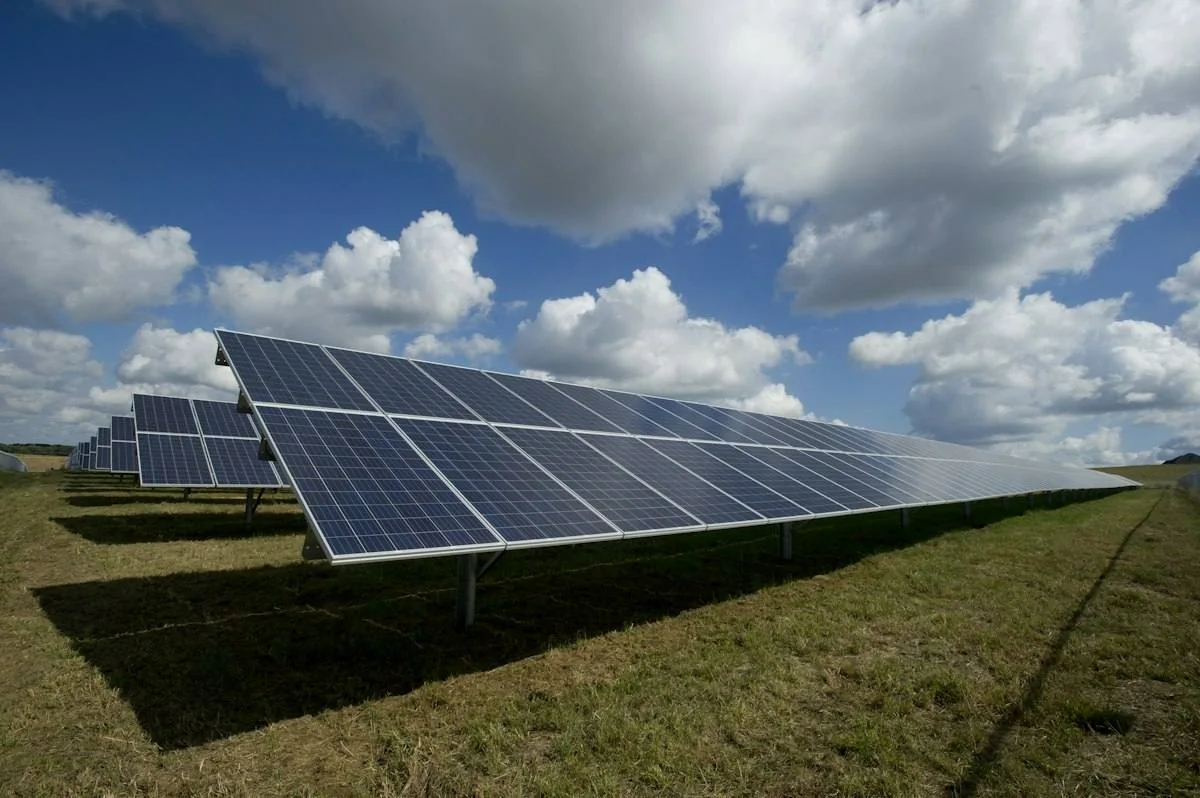
Solar panels power active loads first and charge the battery with extra production.
Solutions · Solar Storage
Store Solar Power. Use It at Night.
Keep extra daytime solar power for night use, outages, and backup loads. Battery storage helps homes, farms, offices, and small commercial sites use more power from their own solar panels instead of sending it back to the grid. Built for daytime solar storage, night use, backup loads, and existing solar upgrade.
Solar panels can produce strong power during the day, but many homes and businesses need more electricity after sunset. Without a battery linked to your solar array, extra daytime solar power may be exported, limited, or left unused. Many solar owners still buy grid electricity at night because the power they produced during the day was not stored. Storing daytime solar energy helps keep more power available for real use, especially when evening demand, low buyback rates, or outage concerns make direct solar use less valuable.

Solution
Your solar panels may already make enough power during the day. The problem is keeping that power for the hours when you actually need it.
Solar battery storage keeps extra daytime solar power in a lithium battery and releases it when solar production drops.
During the day, solar panels supply active loads first. Extra solar power charges the battery. After sunset, stored energy can support lighting, refrigeration, WiFi, security systems, office equipment, pumps, or selected home loads.
New solar projects can use a hybrid inverter to simplify charging and backup design. Existing solar systems need a compatibility check for inverter type, battery voltage, communication protocol, backup output, and installation space.
Solar Power First — Use solar power directly when sunlight is available.
Battery Charging — Store extra solar power instead of sending it back to the grid.
Nighttime Use — Use stored power when solar production stops.
Backup Output — Support selected circuits when the inverter and battery system are properly matched.
A home or business battery turns daytime solar surplus into night use, backup power, and higher self-consumption.

Save extra solar power when your panels produce more than your home or business can use.
Use stored solar power after sunset, when electricity demand is often higher.
Support selected loads during power outages when the system is designed with backup output.

Add battery storage to a new or existing solar system after inverter compatibility is checked.
Existing solar upgrades need a compatibility check for inverter type, battery voltage, communication protocol, backup output, and installation space.
Specification range
Solar panels power active loads first and charge the battery with extra production.

Stored solar power can support lights, refrigerator, WiFi, security system, and selected appliances.

Backup loads keep running only with matched battery storage, inverter output, and backup wiring.

Capacity band
Best for
Basic night use
Typical loads
WiFi, lights, refrigerator, and small home loads
Capacity band
Best for
Home solar storage
Typical loads
Home backup loads and standard residential solar storage projects

Capacity band
Best for
Larger home / SMB
Typical loads
Higher evening use, small business loads, or longer backup needs

Capacity band
Best for
Commercial solar
Typical loads
Offices, farms, workshops, and small factory energy storage
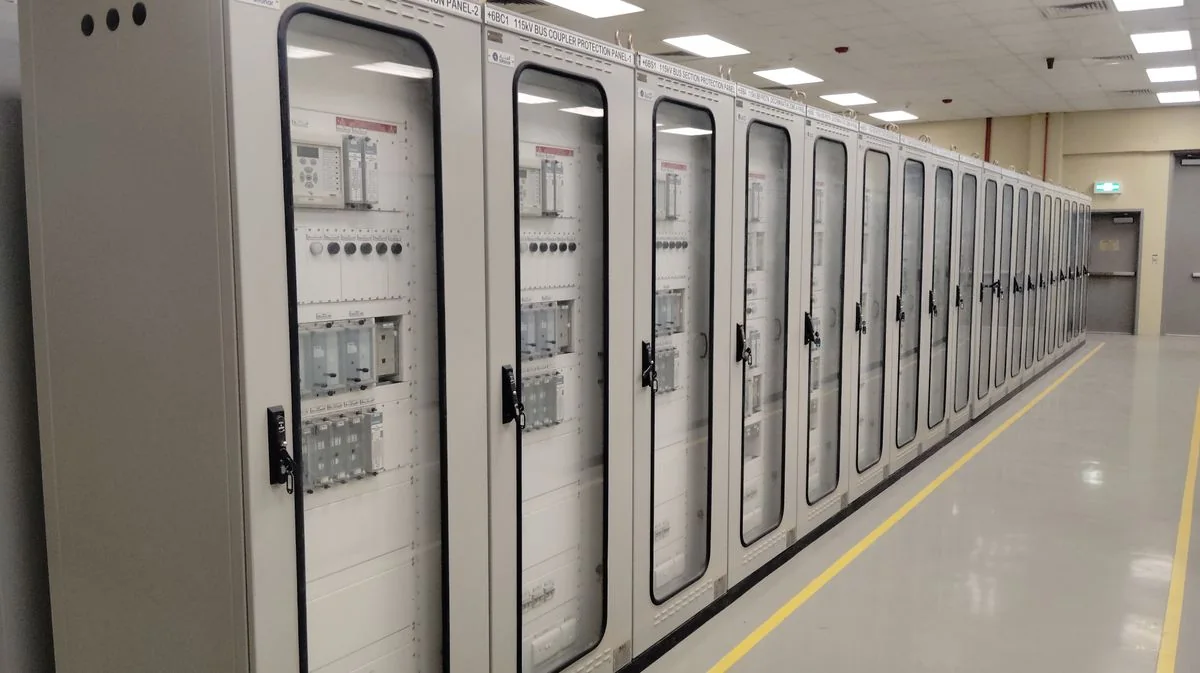
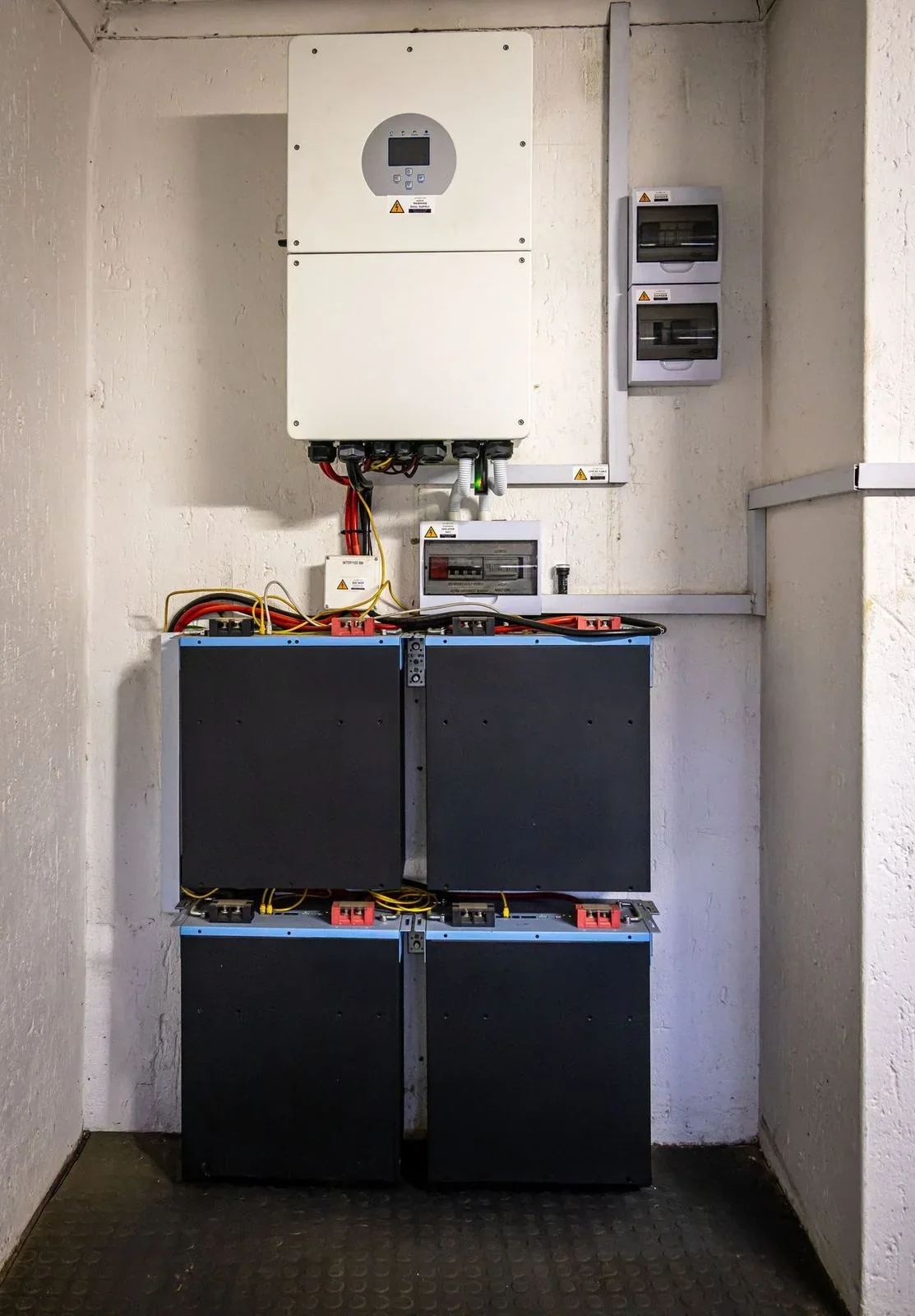

See how home and commercial solar storage systems are installed, connected, and used on real sites. Project videos help buyers understand battery placement, inverter connection, cable routing, communication wiring, monitoring setup, and completed system operation.
Battery placement, inverter connection, and backup load setup for residential solar projects.

Rack-mounted or cabinet battery systems for offices, farms, and small commercial sites.
Cable routing, communication wiring, monitoring setup, and completed system operation.
Yes, but the system must be checked first. Battery voltage, inverter type, communication protocol, and backup output must match. Some existing systems may need a hybrid inverter or an AC-coupled battery solution.
Yes. Solar power charges the battery during the day, and stored energy can be used after sunset. Nighttime use depends on usable battery capacity and the loads connected to the system.
Not always. Solar panels alone may shut down during an outage for safety. To use solar during an outage, the system needs a matched battery, a compatible inverter, and a proper backup output.
System size depends on evening energy use, backup load, solar surplus, inverter power, and required backup time. A load list should be checked before choosing the battery size.
10kWh capacity can support basic home loads such as lights, refrigeration, WiFi, and selected appliances. Larger loads such as HVAC, water heating, pumps, or heavy appliances need separate load calculation.
Cost depends on usable capacity, battery chemistry, inverter compatibility, installation method, backup requirements, and whether the system is new or added to existing solar panels.
Selection depends on your load, solar panel size, inverter type, backup goal, and installation space. Small homes may use 5kWh–10kWh, while larger homes may need 15kWh–30kWh.
Daytime solar storage focuses on keeping solar power for later use. Solar battery backup focuses on keeping selected loads running during a power outage. One system can do both when designed correctly.