
When the grid goes out
Power Outages
Keep basic home loads running during blackouts with home battery backup.
Keep your fridge, lights, WiFi, TV, security and home office running when the grid fails—or after sunset—with a home battery system.
Four simple jobs a home battery can do for you.
When the grid fails, keep fridge, lights, WiFi and key outlets on.
Store free daytime solar power, then use it later at home.
Run lights, WiFi, TV and home office after sunset.
Start with a smaller battery, add more capacity later if needed.
Pick your situation first. Then choose battery size and whether you have solar.
When the grid goes out
Keep basic home loads running during blackouts with home battery backup.

If you have solar panels
Save extra daytime solar power in the battery, then use it in the evening.
After sunset every day
Use stored power for lights, WiFi, TV and home office when the sun is down.

Unstable grid power
Help homes that lose power often or have unstable grid supply.

Before you order
Make sure your solar panels, inverter, battery size and backup loads fit together as one system.
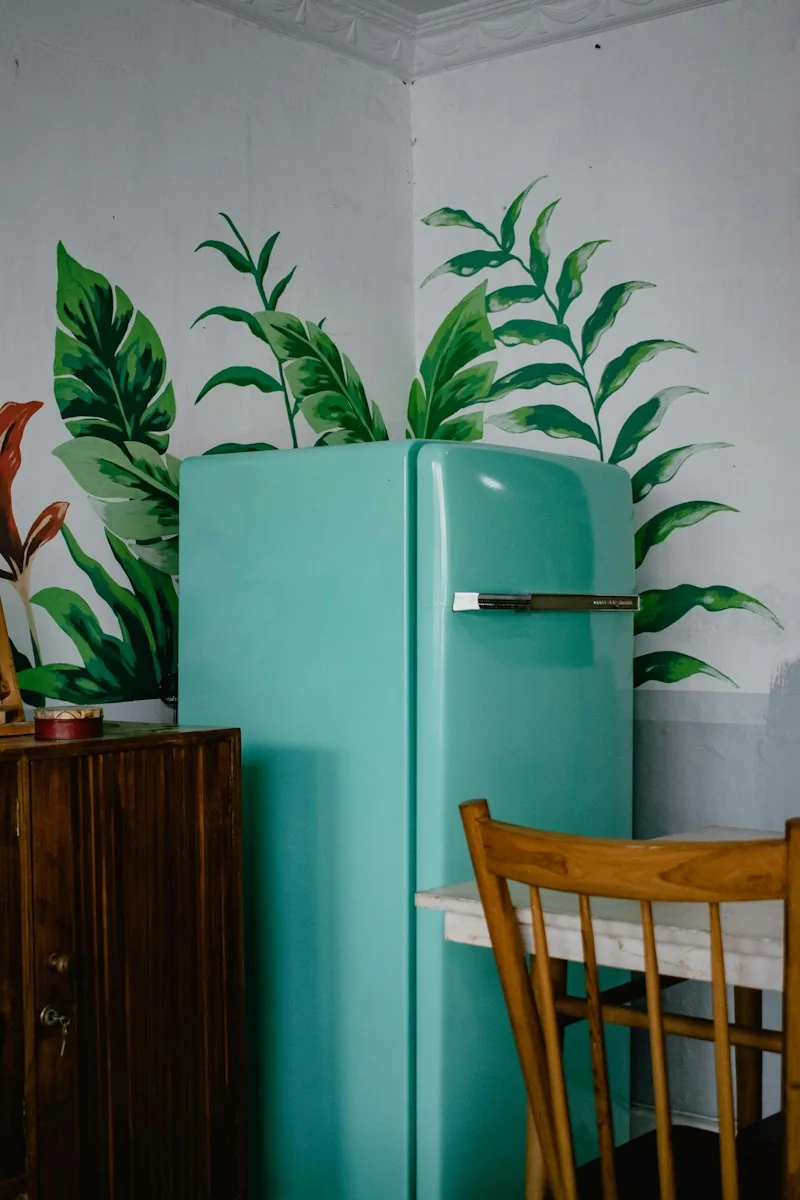
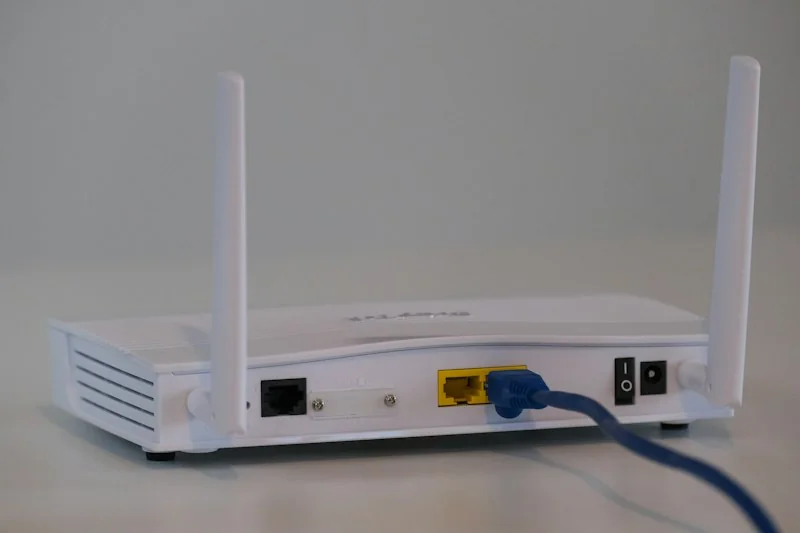
These are the common home loads. Backup hours depend on how many you run at the same time.

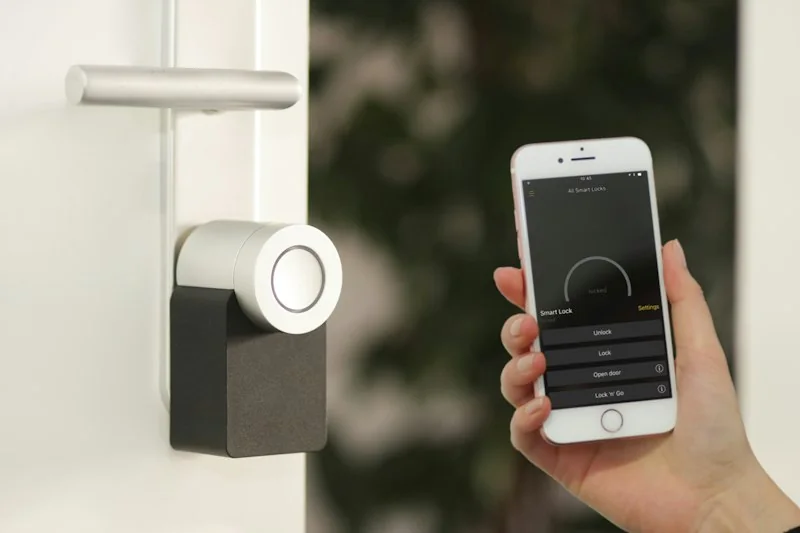

Answer these checks before you choose a battery.
No problem. The battery can charge from the grid and still give backup during outages.
You can add a battery later. First check that your solar inverter can work with the battery.
Choose a hybrid system so solar charging, battery storage and backup power work in one setup.
Most homes use low-voltage batteries (48V or 51.2V). This is the common home battery type.
You can add more batteries later if the model, inverter power, wiring and install space allow it.
Start here. Final size still depends on your loads and how many backup hours you want.
Best for WiFi, lights, phone charging and a few small essentials.
Best for refrigerator, WiFi, lights, TV, security and standard home backup.
Best for longer night use, more home loads and larger solar homes.
Best for bigger homes, more backup loads and higher evening power use.
First open the battery series, then pick a capacity. Or choose a complete system package.
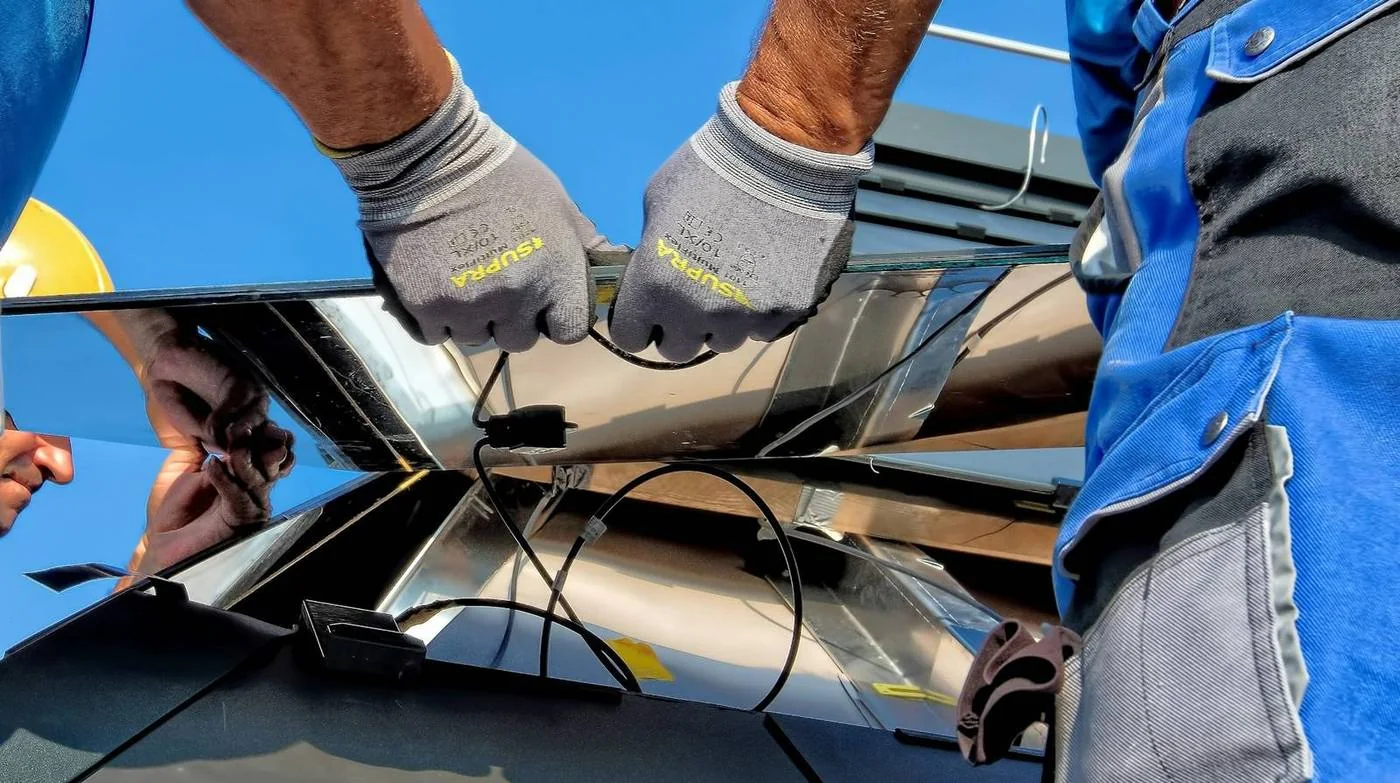
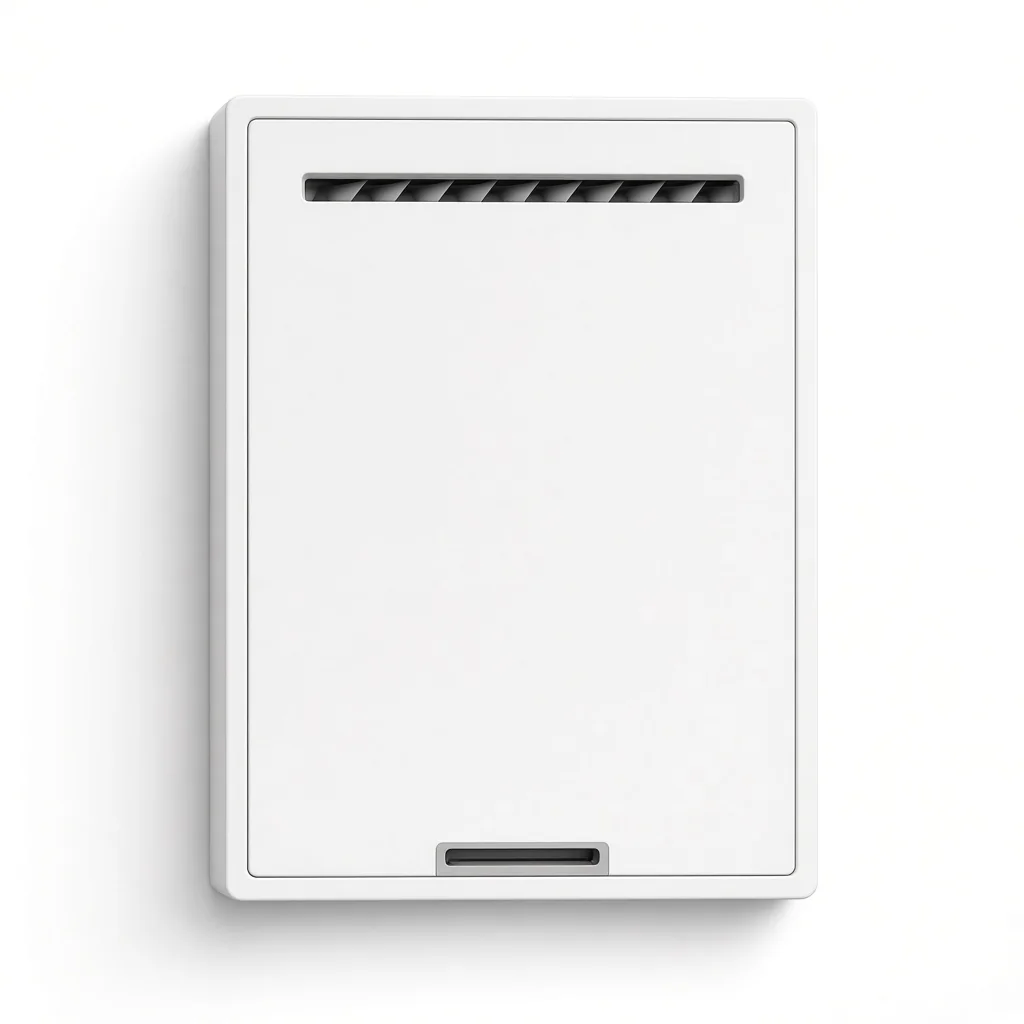
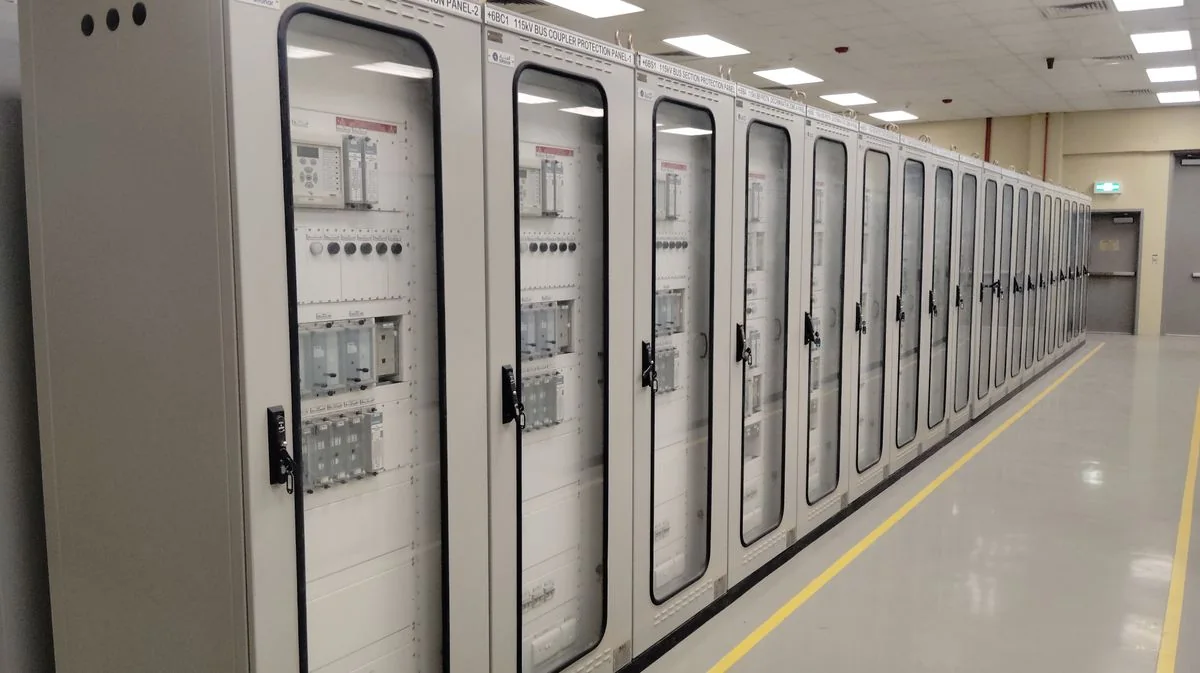

Quick look at install, outage switching and solar charging in real homes.
Wall or floor mounting, wiring, and inverter connection.
Refrigerator, lights, WiFi, and selected loads during backup output testing.
Solar panels charging the battery during the day for night use.
List what must stay on (fridge, lights, WiFi, security, home office), how many hours you need, then match battery size and inverter power.
Yes for most homes, if those loads fit the inverter power and battery capacity. Exact backup time still needs your real load list.
Yes. Charge from the grid and use the battery for backup when the power goes out.
Yes, after checking inverter type, battery voltage, communication, backup output, wiring and install space.
For many homes, yes: fridge, WiFi, lights, TV, security and selected outlets. Air conditioners, pumps or whole-home backup need a larger size check.
Yes, if your battery model, inverter, wiring and install space support adding more capacity.