Solutions · Residential Backup

Home Battery Backup

Keep the lights on, the refrigerator running, and your home connected during a power outage.

Choose home battery backup for essential loads like WiFi, phone charging, food storage, security devices, and selected outlets.

Power Outage Problems at Home

Power outages create problems fast. Lights turn off, WiFi disconnects, phones stop charging, and the refrigerator starts losing power.

  • Home lights during a power outage
    Lights turn off
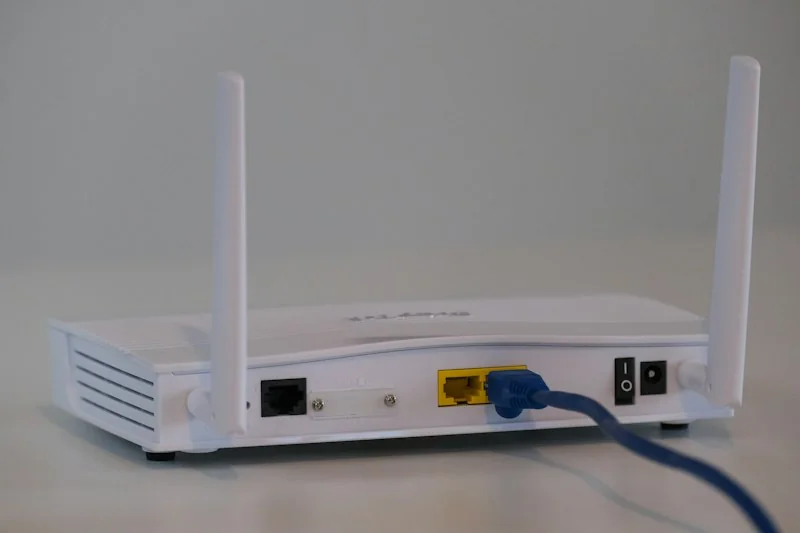
  • Home WiFi router losing connection
    WiFi disconnects
  • Phone that stops charging in an outage
    Phones stop charging
  • Refrigerator losing power during an outage
    Refrigerator starts losing power

Solution

Home Battery Backup Solution

Power goes to the loads you choose first, not the whole house. Refrigerator, lights, WiFi, phone charging, security devices, and selected outlets can stay on during an outage.

Your home battery backup system stores power before grid failure and sends backup power to selected circuits when the grid goes down.

Grid charging works for home battery backup without solar. Solar charging works for home battery backup with solar when the inverter supports battery charging, solar input, and backup output.

Solar battery backup for home projects should match the battery, hybrid inverter, solar input, and backup load circuit together.

Get Home Backup Recommendation
Home battery backup system for essential home loads during power outages

Essential Backup Loads

Choose the loads that cannot turn off during an outage.

  • Refrigerator
    Refrigerator

    Keeps food cold during longer outages.

  • Lights
    Lights

    Keeps basic rooms usable and safer at night.

  • WiFi Router
    WiFi Router

    Keeps internet available for work, communication, and outage updates.

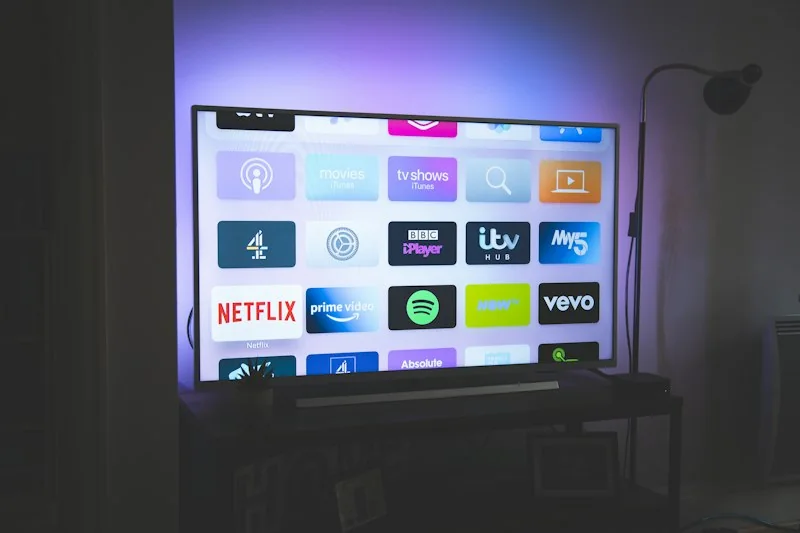
  • TV
    TV

    Keeps news, family use, and basic entertainment available.

  • Phone Chargers
    Phone Chargers

    Keeps phones, tablets, and small devices charged.

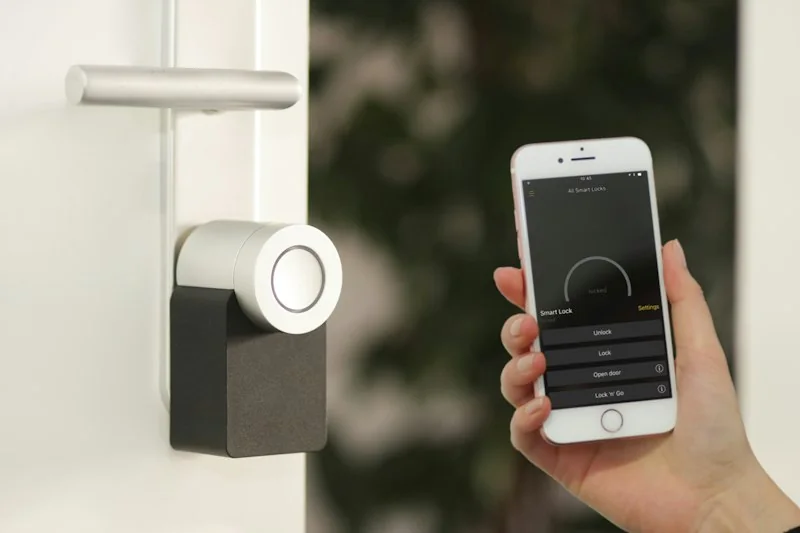
  • Security Devices
    Security Devices

    Keeps cameras, alarms, and selected security equipment powered.

  • Selected Outlets
    Selected Outlets

    Supports laptops, small appliances, and emergency devices.

  • Home Office Equipment
    Home Office Equipment

    Keeps a laptop, monitor, router, and phone charger running during work hours.

Large loads such as central HVAC, electric oven, electric water heater, and full-house circuits need separate system sizing.

System & Backup Sizing

Start with one question: what cannot turn off during an outage?

  1. Load List

  2. Running Power

    Check how much power these loads use at the same time.

  3. Backup Time

    Decide how many hours your home needs backup power.

  4. Inverter Power

    Match inverter output to the loads that must run together.

  5. Battery Capacity

    Choose enough kWh for the backup time you need.

  6. Solar Input

    Check battery backup for home solar when daytime recharging is required.

Project Videos

Check real installation, inverter connection, backup switching, solar charging, and battery expansion before choosing a home battery backup system.

  • Home Battery Installation

    Home Battery Installation

    Battery placement, wiring route, and installation layout.

  • Backup Switching Test

    Backup Switching Test

    Selected loads continue running during grid failure.

  • Hybrid Inverter Connection

    Hybrid Inverter Connection

    Battery, solar, grid, and backup load wiring.

  • Solar Battery Backup Test

    Solar Battery Backup Test

    Solar charging and backup output during outage simulation.

  • Battery Expansion Setup

    Battery Expansion Setup

    Additional battery capacity for longer runtime.

FAQ

Can home battery backup run a refrigerator?

Yes. Properly sized home battery backup can run a refrigerator during an outage. Final runtime depends on refrigerator power, battery capacity, inverter output, and other loads running at the same time.

Can I use home battery backup without solar panels?

Yes. Home battery backup without solar can charge from the grid and provide backup power during outages. Solar panels are not required, but they can help recharge the battery during the day.

Can I use home battery backup with solar?

Yes. Home battery backup with solar can store solar power and provide backup power when the grid fails. Inverter compatibility matters because the inverter must support battery charging and backup output.

How much battery backup for home do I need?

Start with essential loads first. Refrigerator, lights, WiFi, TV, phone chargers, security devices, and selected outlets usually need less capacity than HVAC, electric oven, water heater, or full-house backup.

What is the difference between home battery backup and whole home battery backup?

Home battery backup focuses on essential loads. Whole home battery backup is for more circuits, larger household loads, and higher inverter power.

Is DIY home battery backup a good choice?

DIY home battery backup may work for experienced installers, but most homeowners should use a matched battery, inverter, protection device, and backup circuit. Incorrect wiring or inverter matching can cause safety and performance problems.

How do I choose the best solar battery backup system for home use?

Choose by essential load power, required backup time, solar charging need, inverter compatibility, battery expansion, installation space, and whether you need essential backup or whole-home backup.


Chat with SalesWhatsApp