
Home Battery
- Best For: Home Backup / Daily Energy Storage
- Load Support: 5kW
- Backup Time: 2 hours
- Installation: Wall-Mounted / Floor-Mounted

Compare battery energy storage products by capacity, load support, backup time, and installation.
Energy storage products store electricity for backup power, solar self-consumption, peak shaving, and off-grid use.
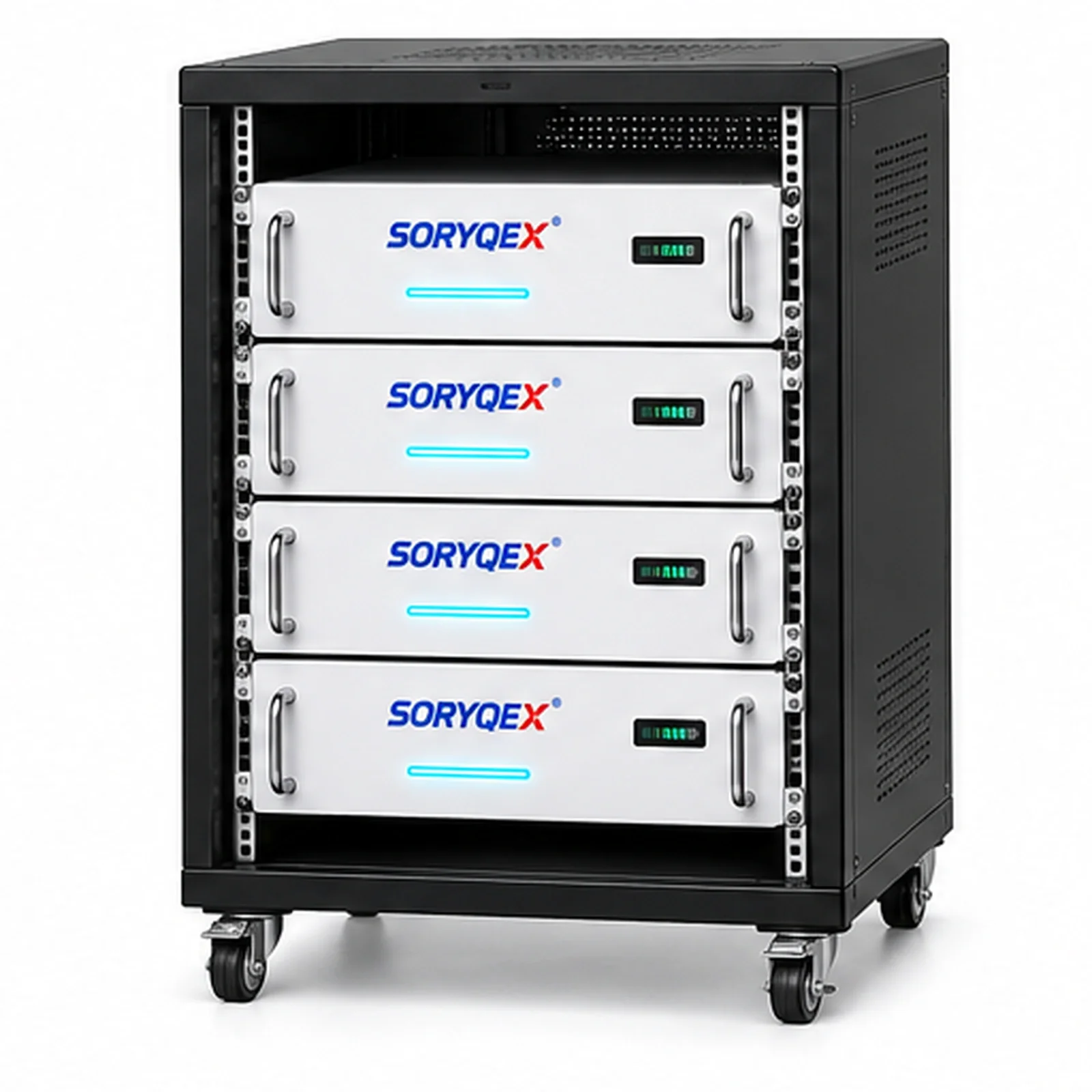
Some products are standalone batteries. Some are complete systems with inverter, battery, BMS, and cabinet. Others are components used to build or expand an energy storage system.
Our energy storage products use LiFePO4 battery chemistry for stable cycling, thermal safety, and long service life in home and commercial projects.
Choose the energy storage product category that matches your application, load, backup time, and installation site.
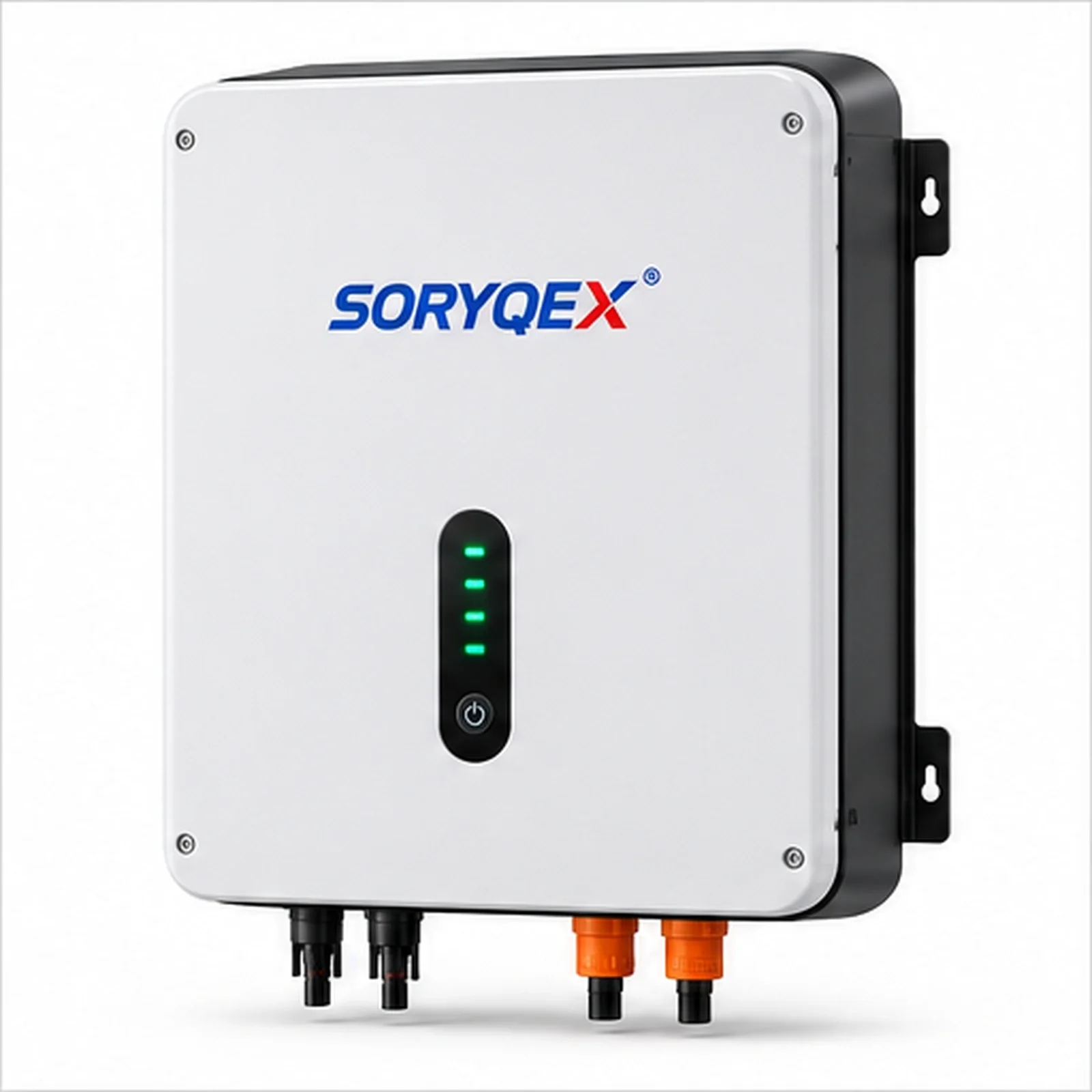

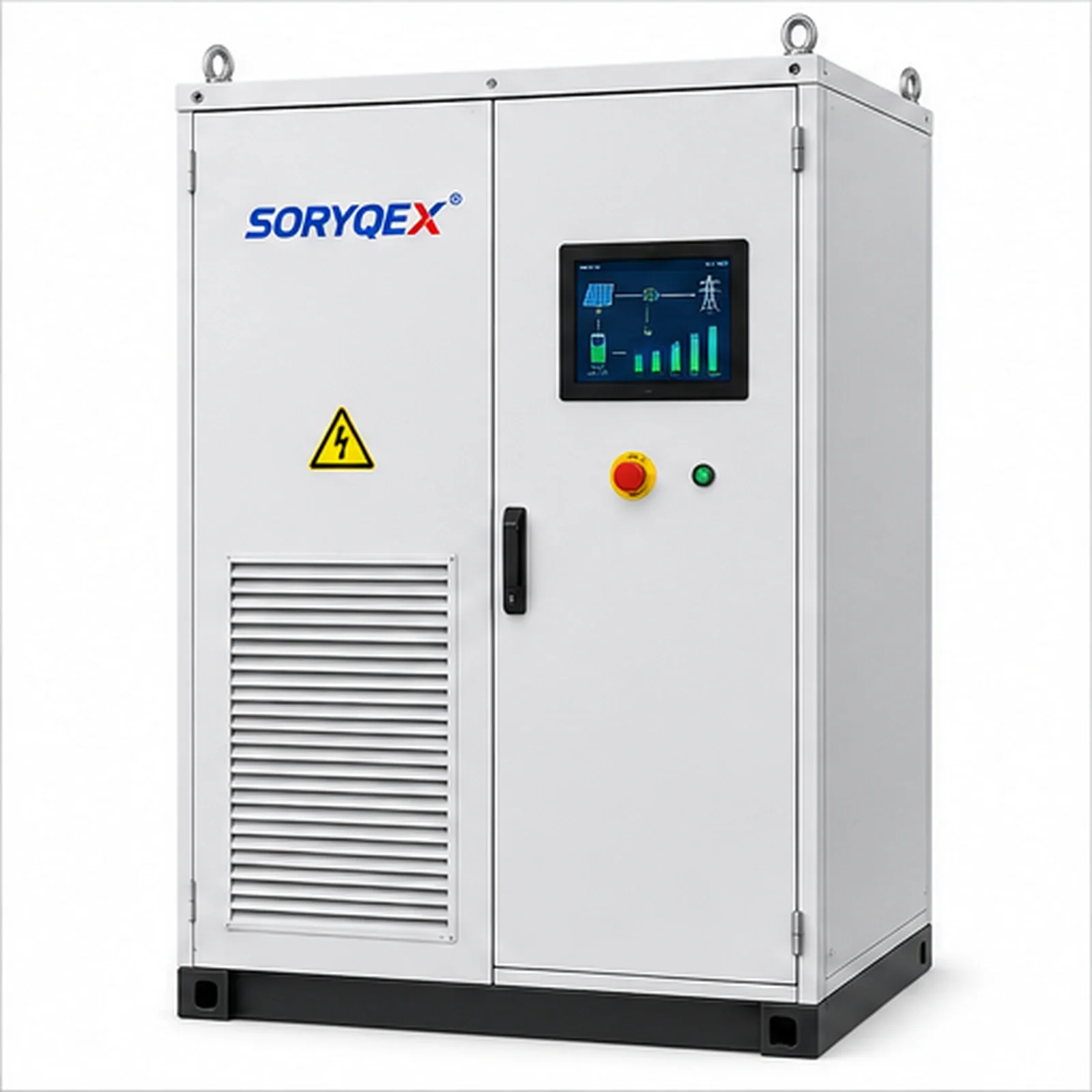
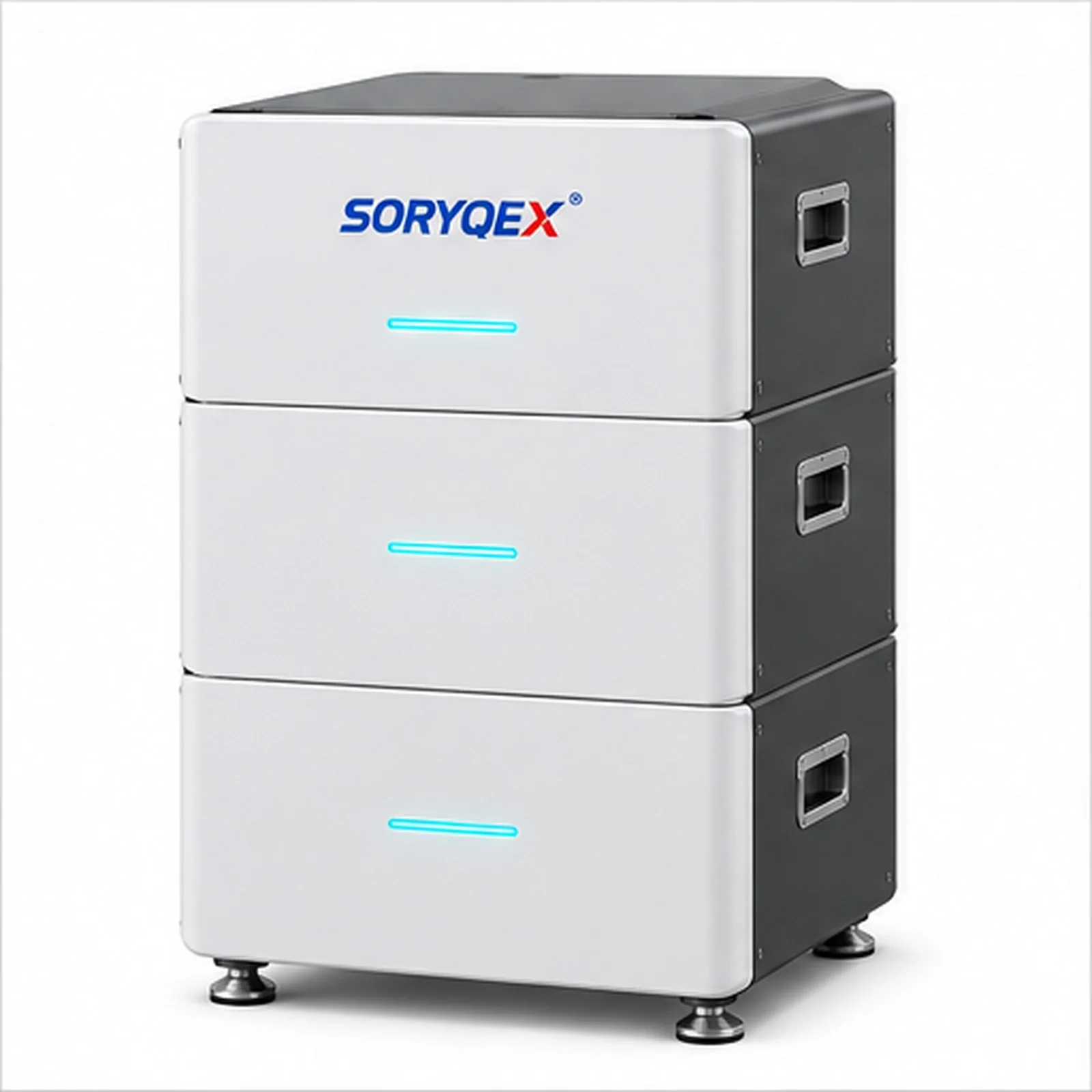

Looking for more models or a custom configuration? Contact us and we will match the right energy storage products for your project.
Contact Us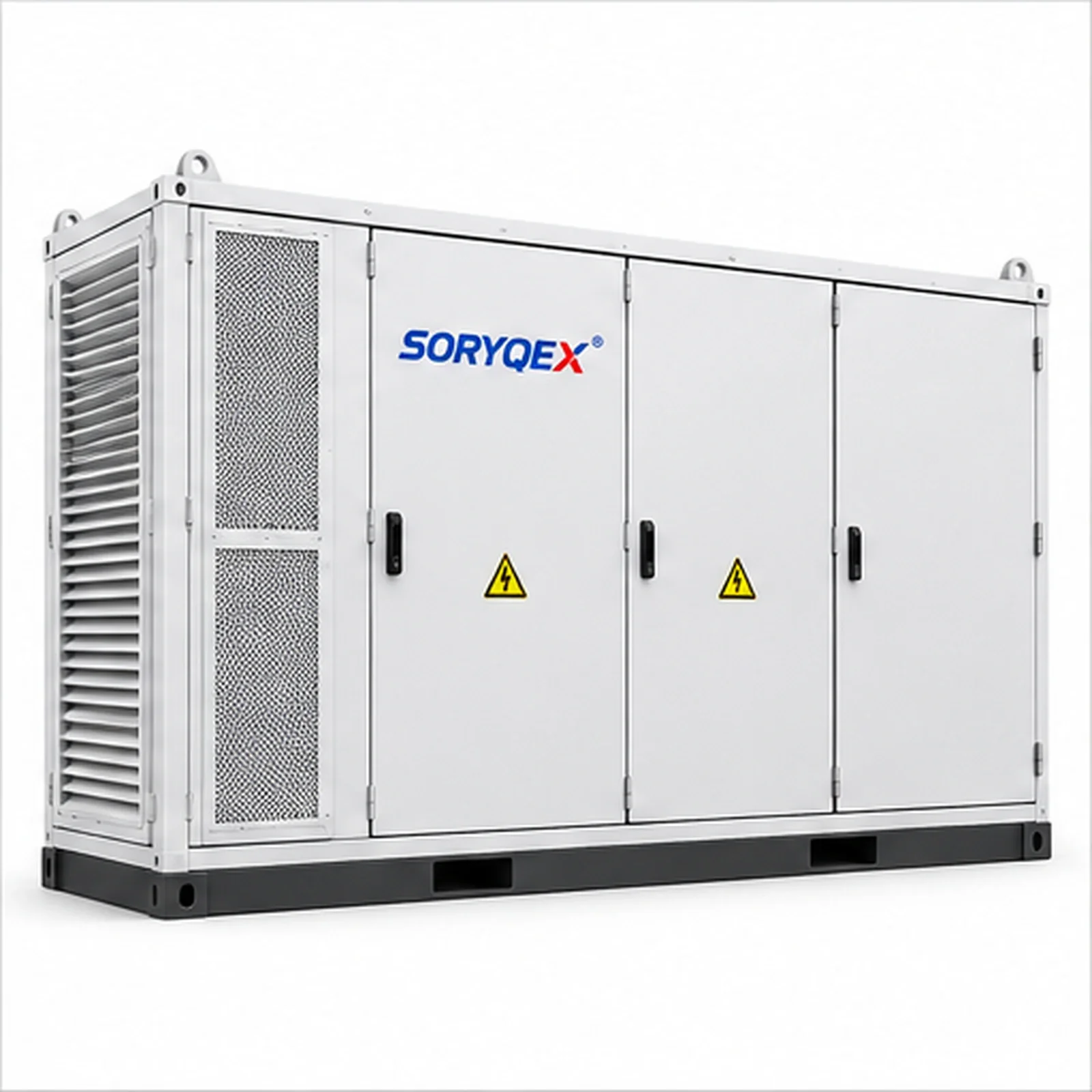
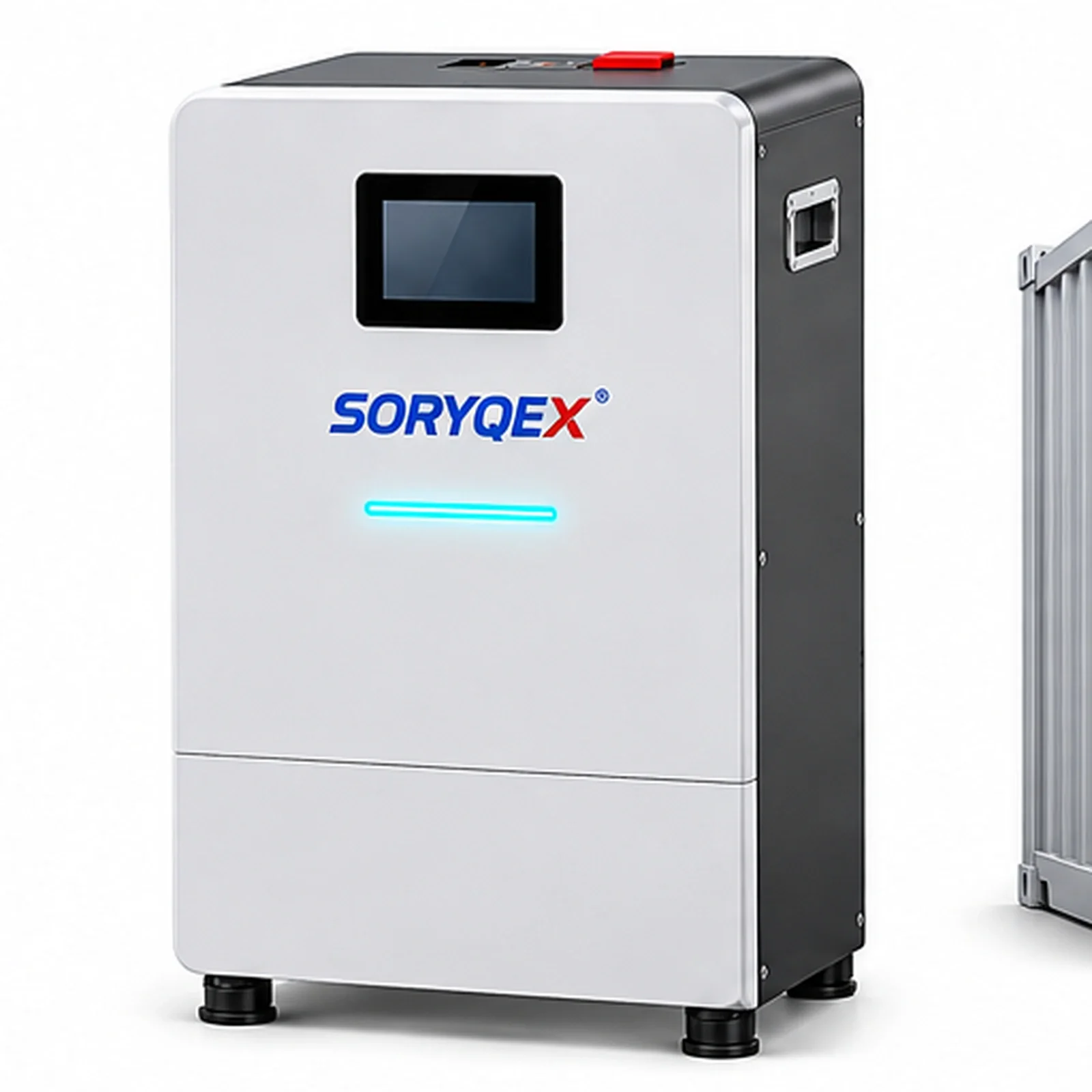
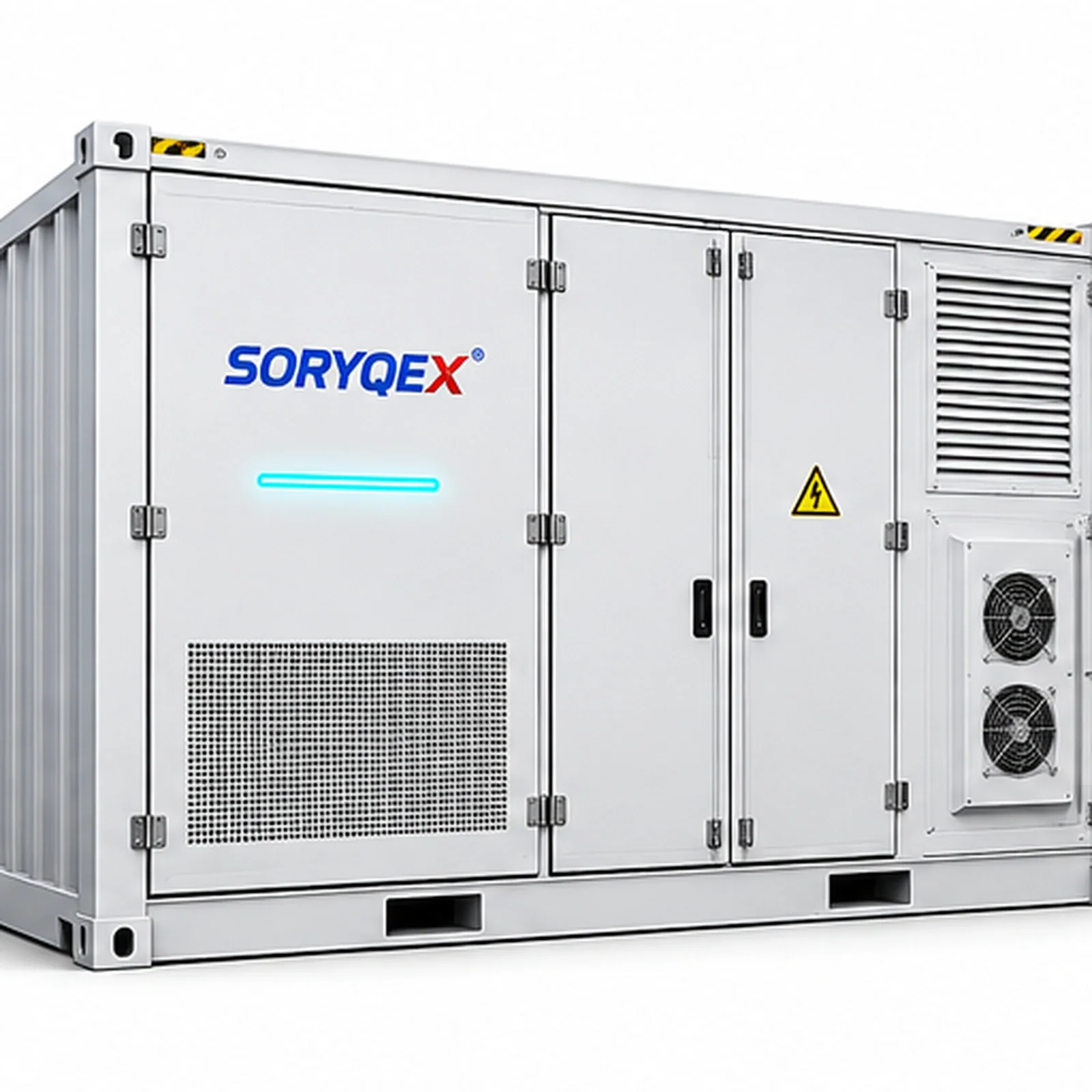

Looking for more models or a custom configuration? Contact us and we will match the right energy storage products for your project.
Contact Us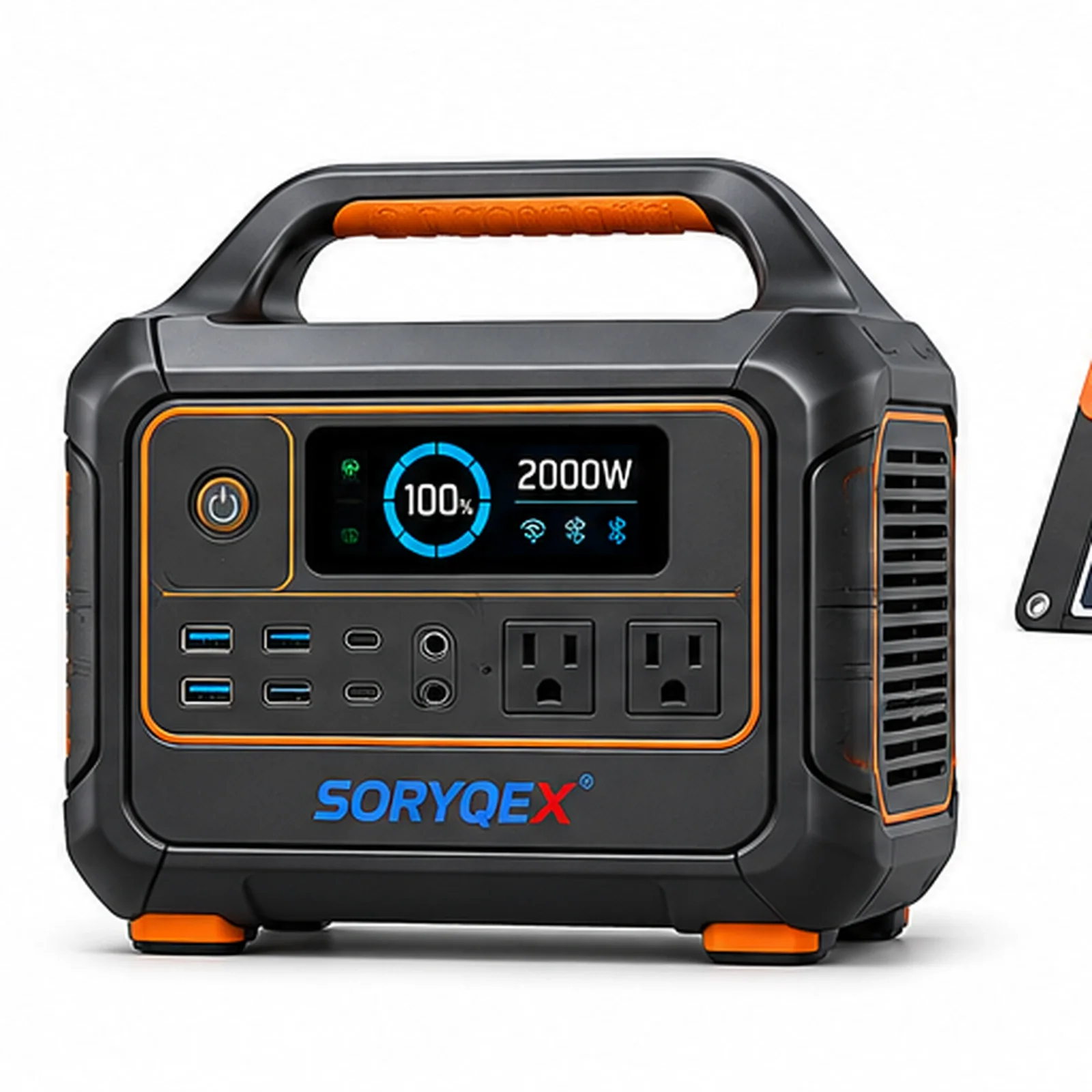
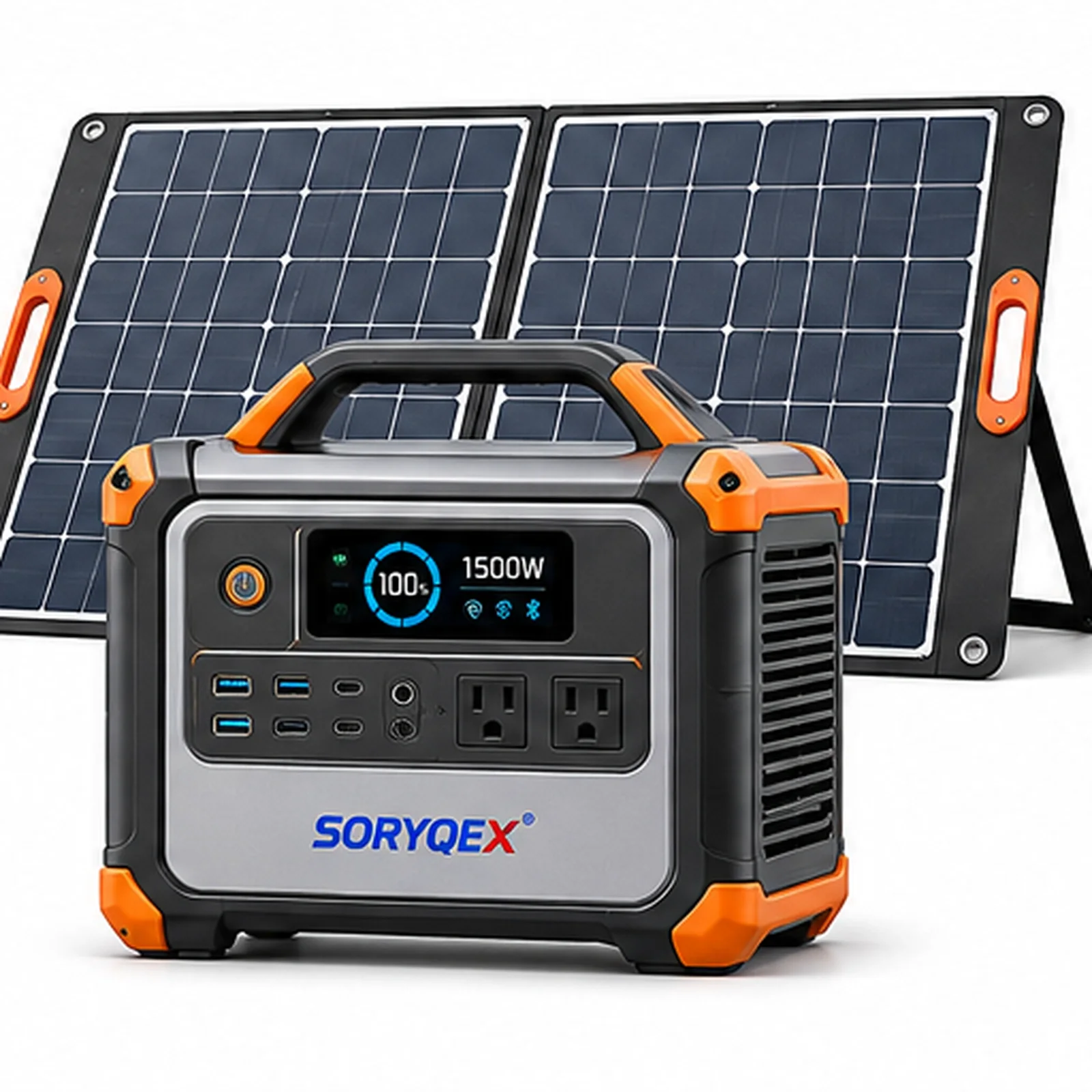
Looking for more models or a custom configuration? Contact us and we will match the right energy storage products for your project.
Contact Us
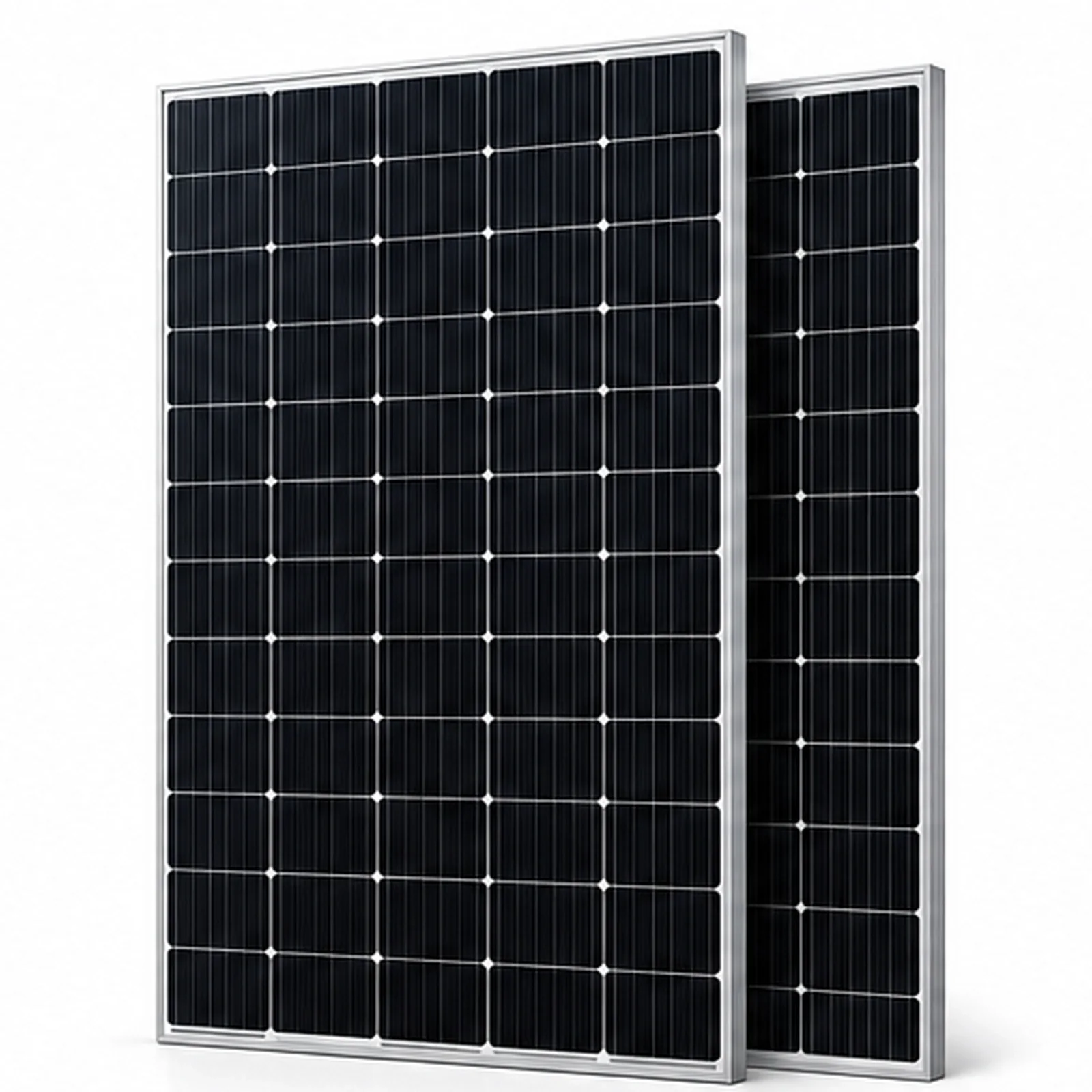
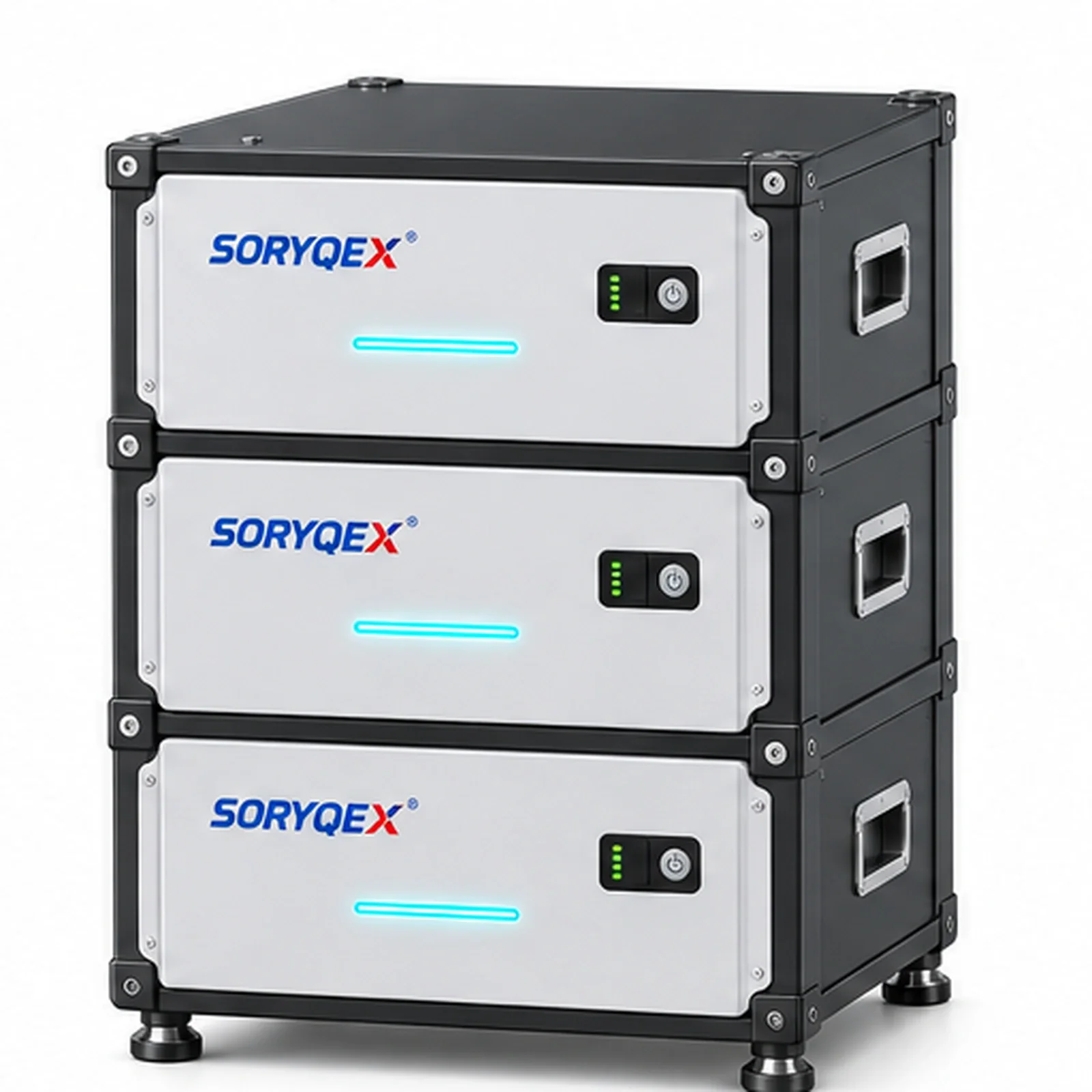
Looking for more models or a custom configuration? Contact us and we will match the right energy storage products for your project.
Contact Us
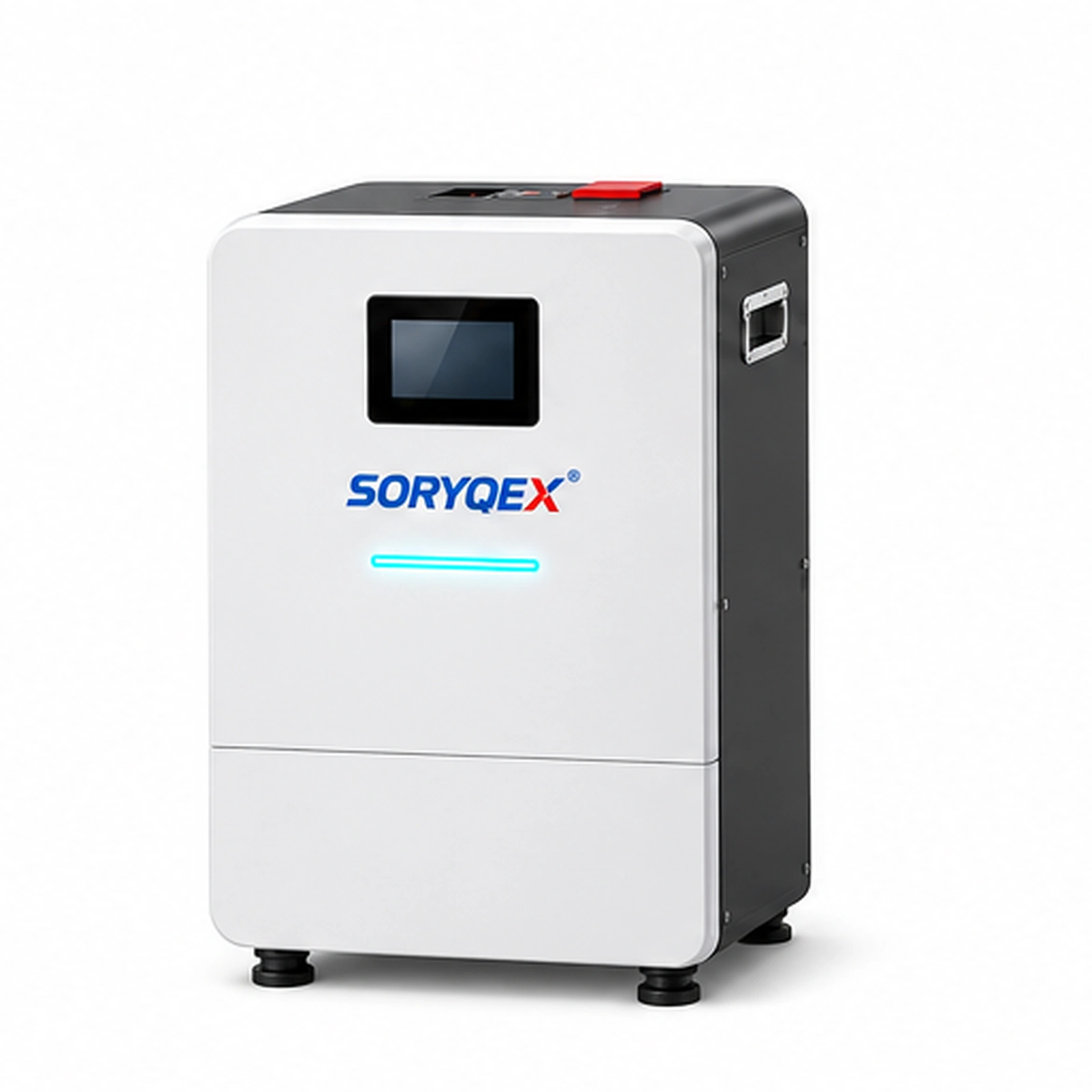
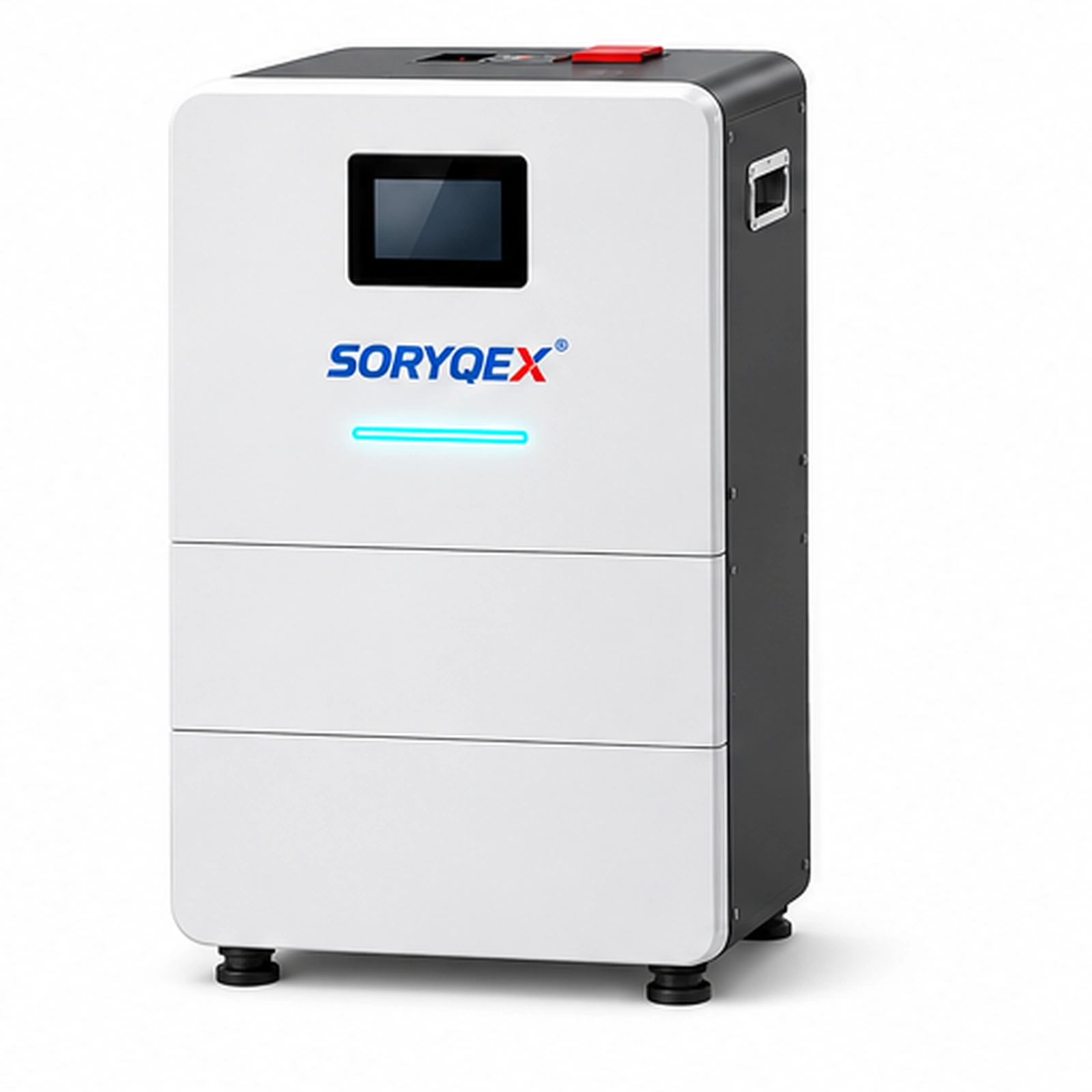
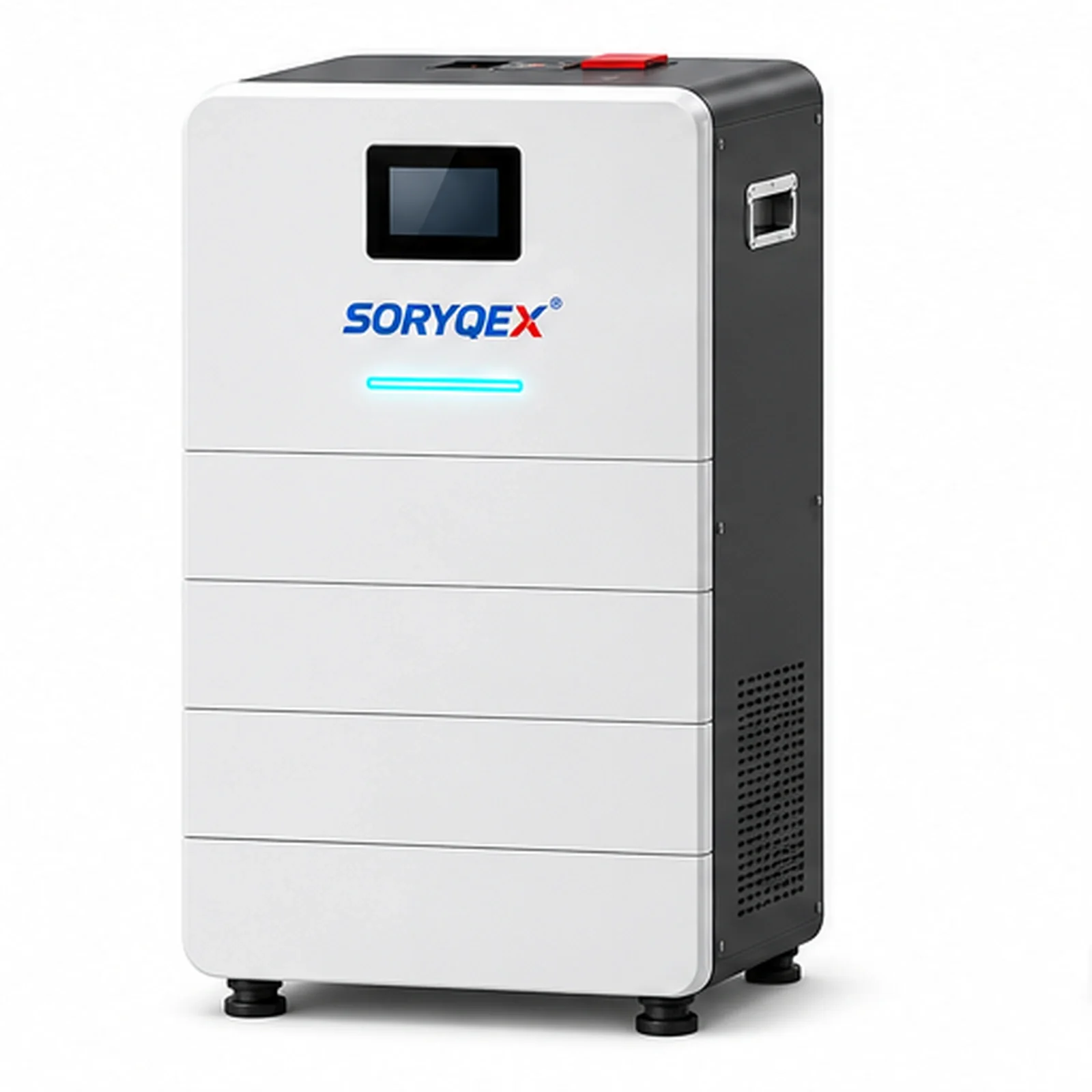
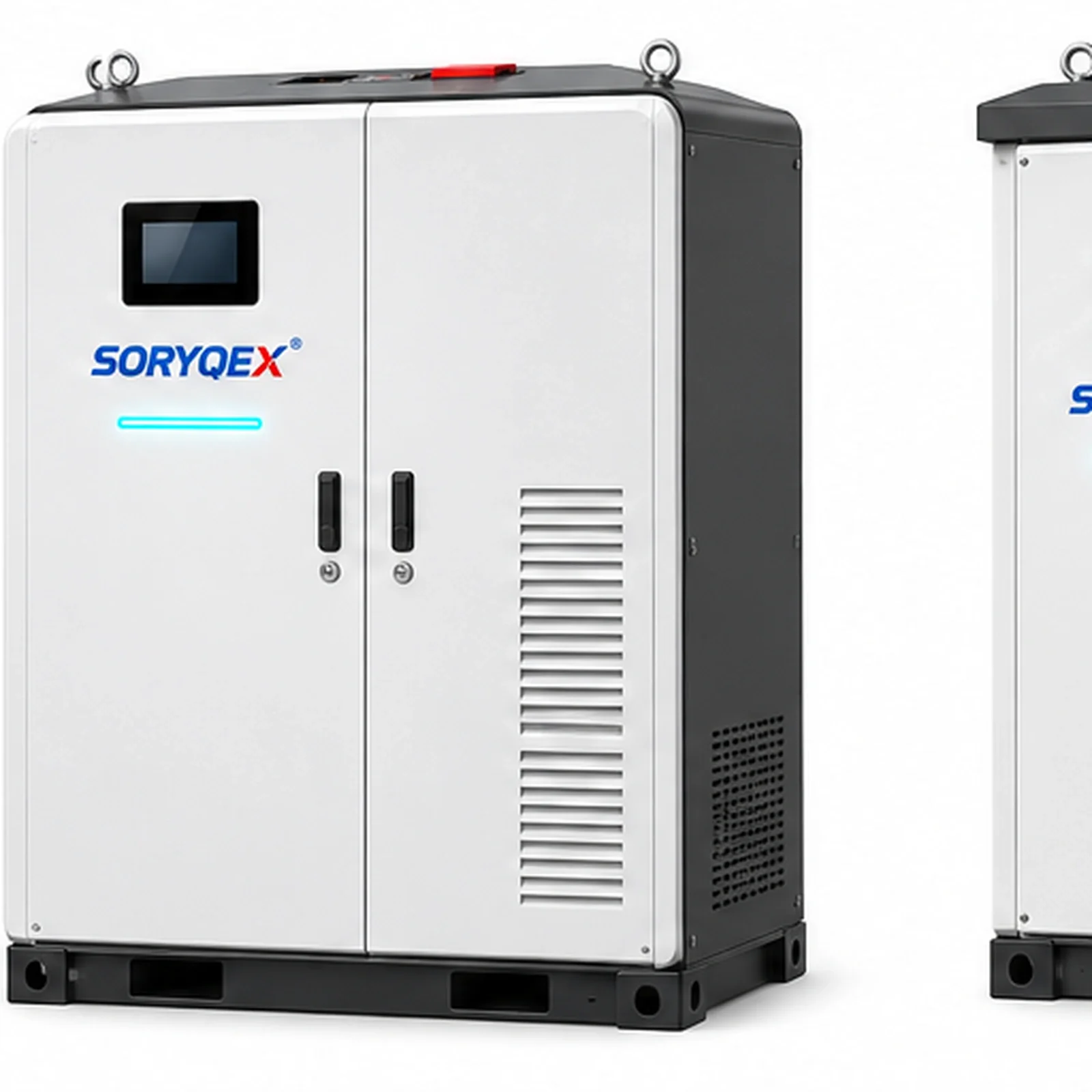
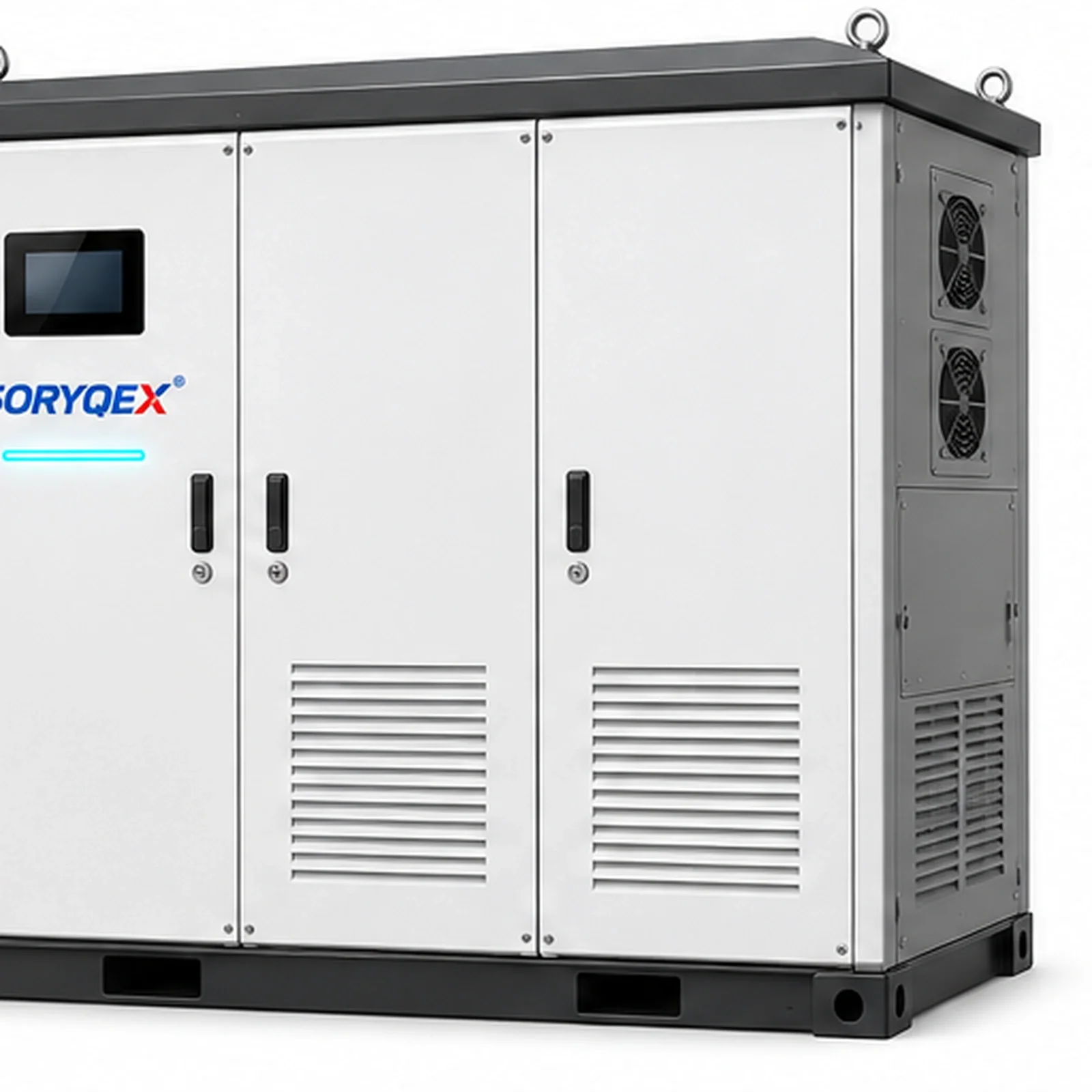
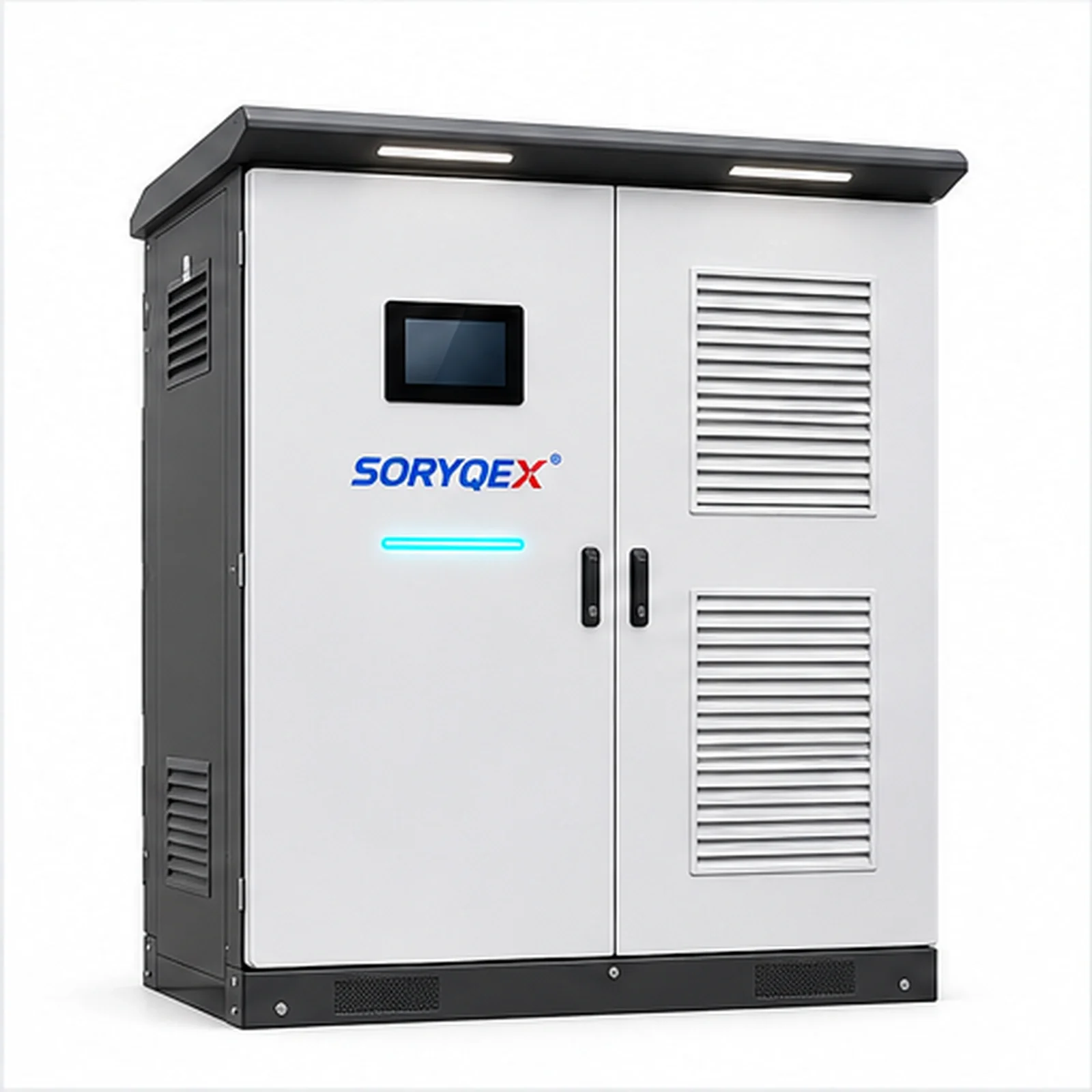
Looking for more models or a custom configuration? Contact us and we will match the right energy storage products for your project.
Contact Us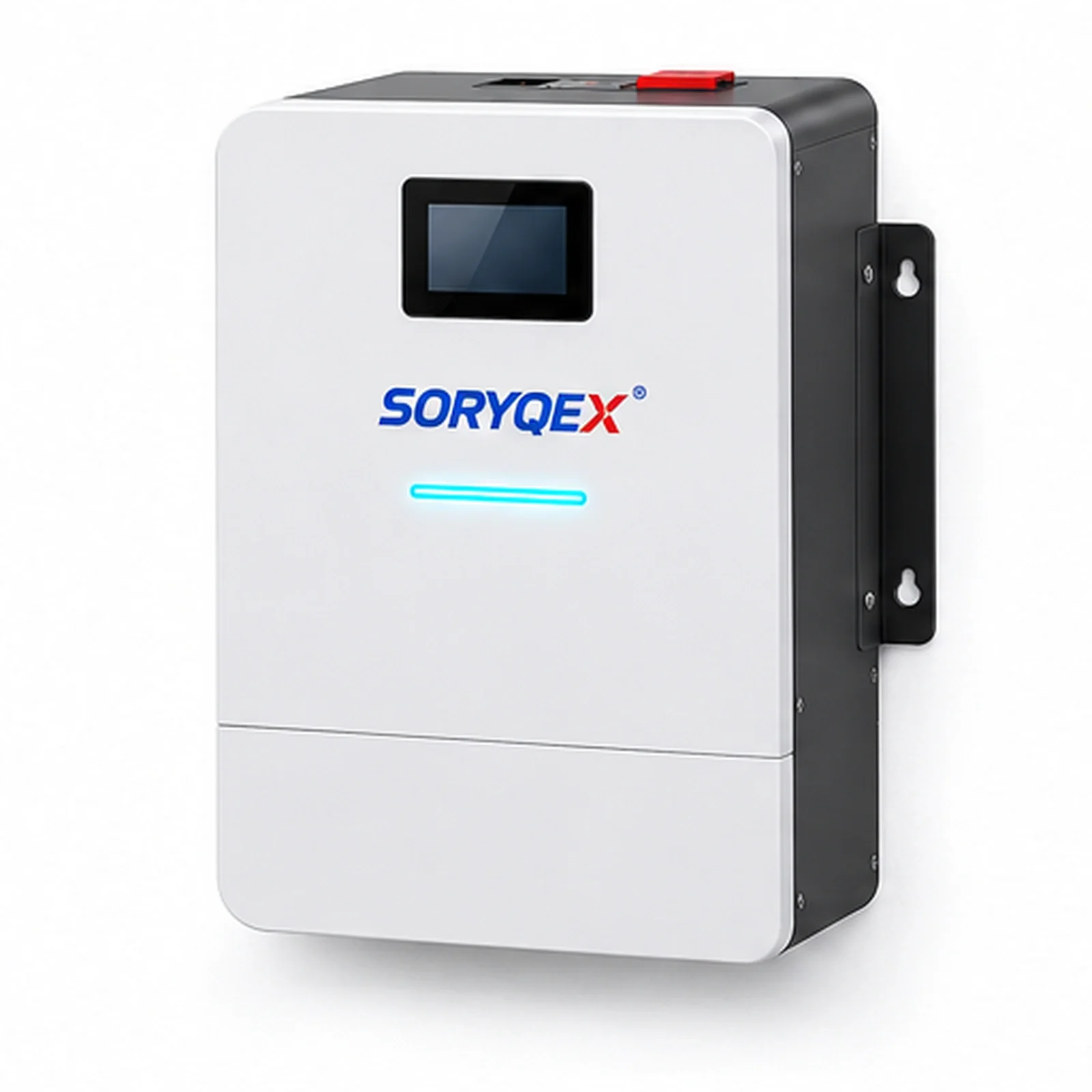


Looking for more models or a custom configuration? Contact us and we will match the right energy storage products for your project.
Contact UsNo products match. Clear filters to see all.
Choose the energy storage product by your real use case.
| Application | Start Here |
|---|---|
| Home backup and nighttime power | Home Energy Storage |
| Solar self-consumption | Solar Battery |
| Small business backup and peak shaving | Commercial Battery Storage |
| Factory and industrial loads | Industrial Battery Storage |
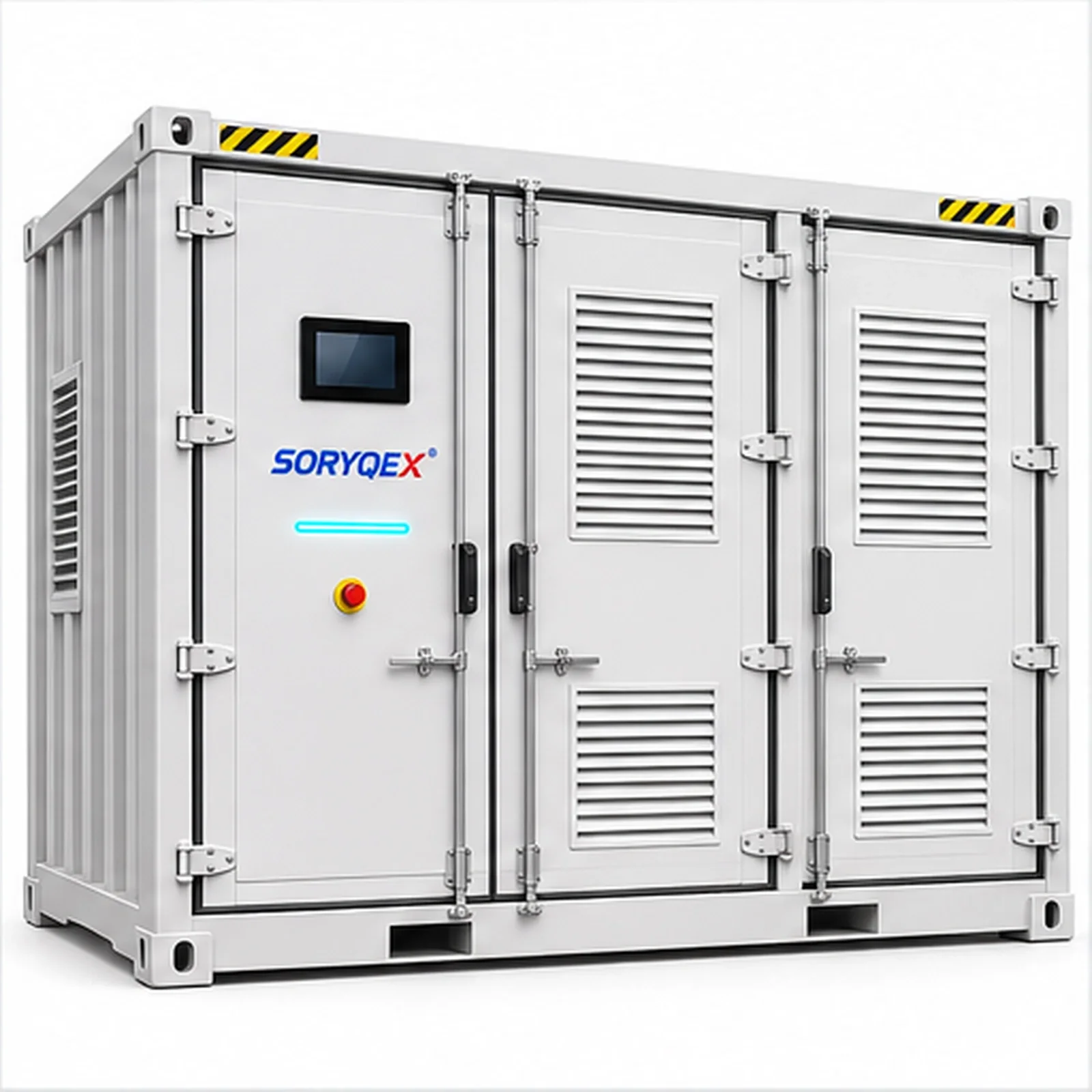
| Outdoor commercial storage | Outdoor Energy Storage Cabinet |
| Mobile and off-grid power | Portable Power |
| Solar + battery system build | System Components |
The table below lists the installation and protection parameters for the models shown on this page.
| Model | IP Rating | Rated Voltage | Drainage / Installation | Fire Protection |
|---|---|---|---|---|
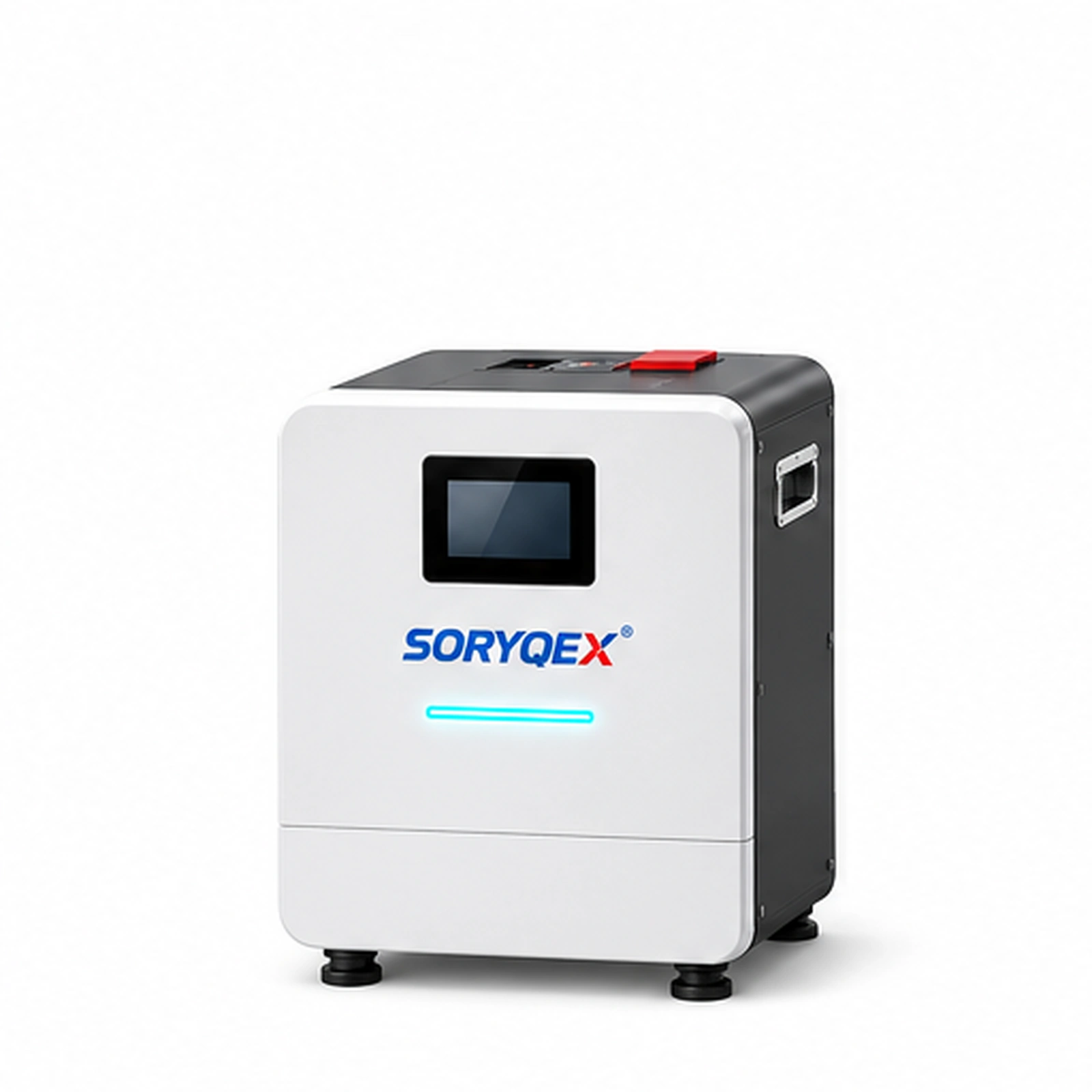
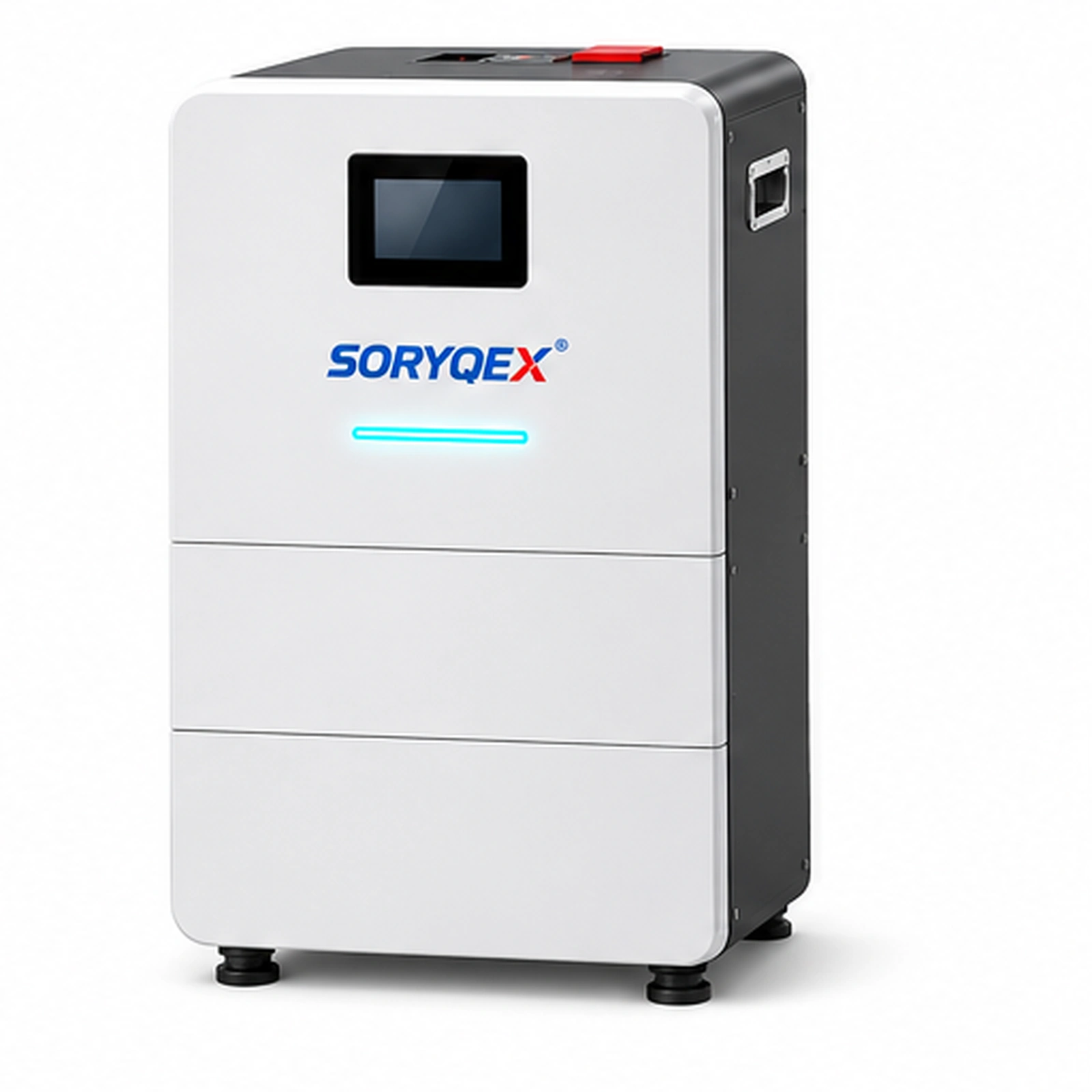
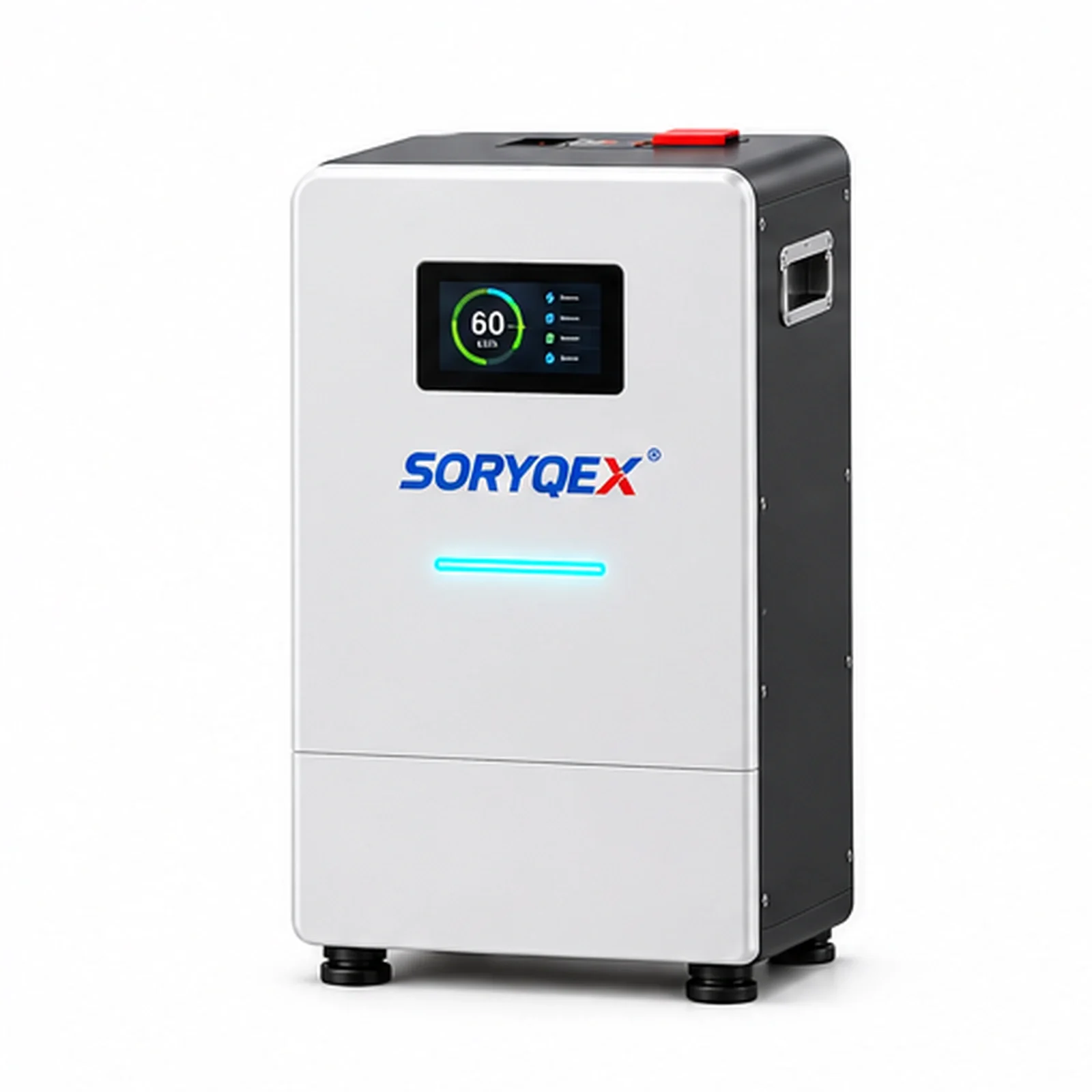
| 5kWh | IP65 | 51.2V DC | Wall / Floor | Built-in BMS |
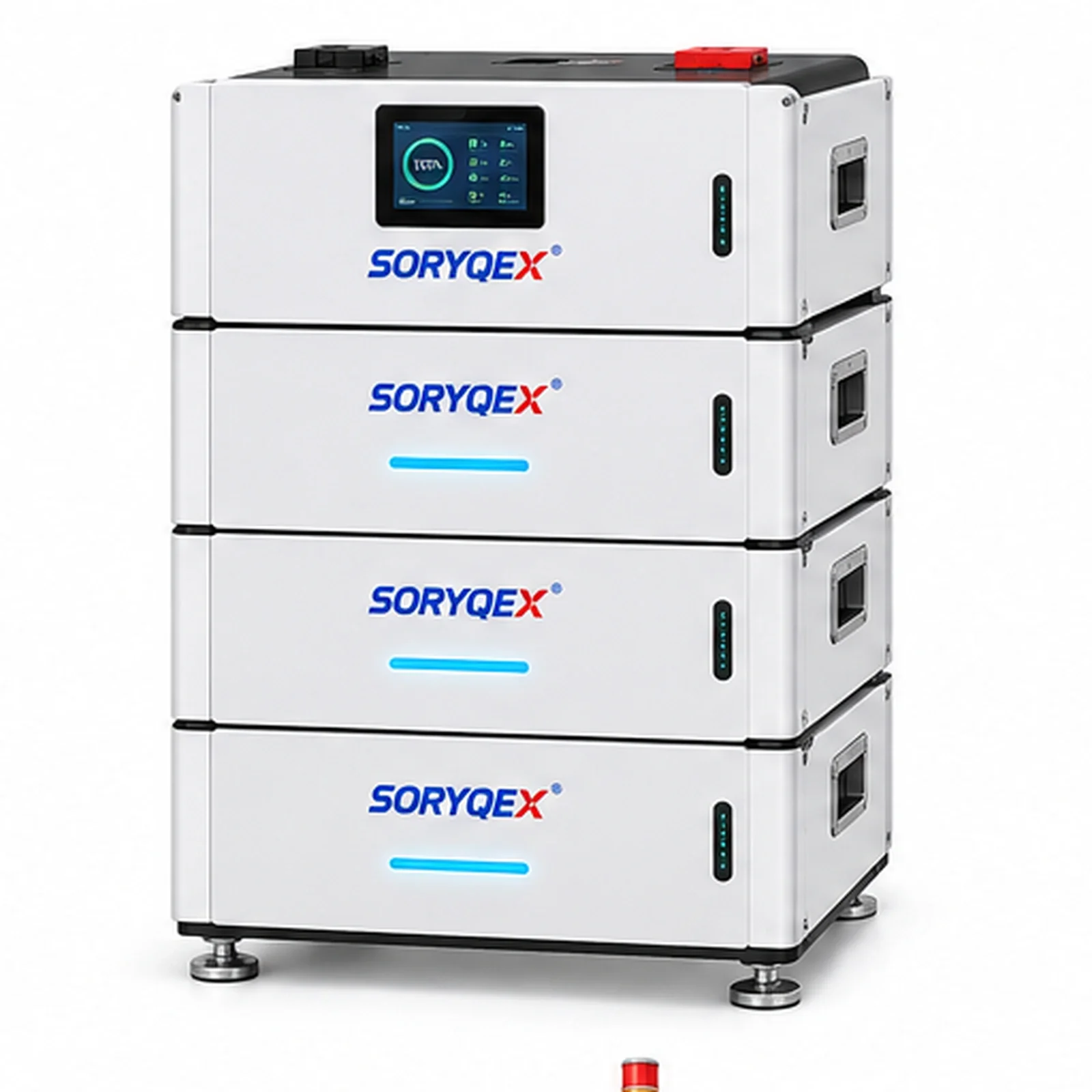
| 10kWh | IP21 | 51.2V DC | Wall-Mounted / Floor-Mounted | Smart BMS / Breaker / Fuse |
| 15kWh | IP20 | 51.2V DC | Floor Standing | Triple hardware protection |
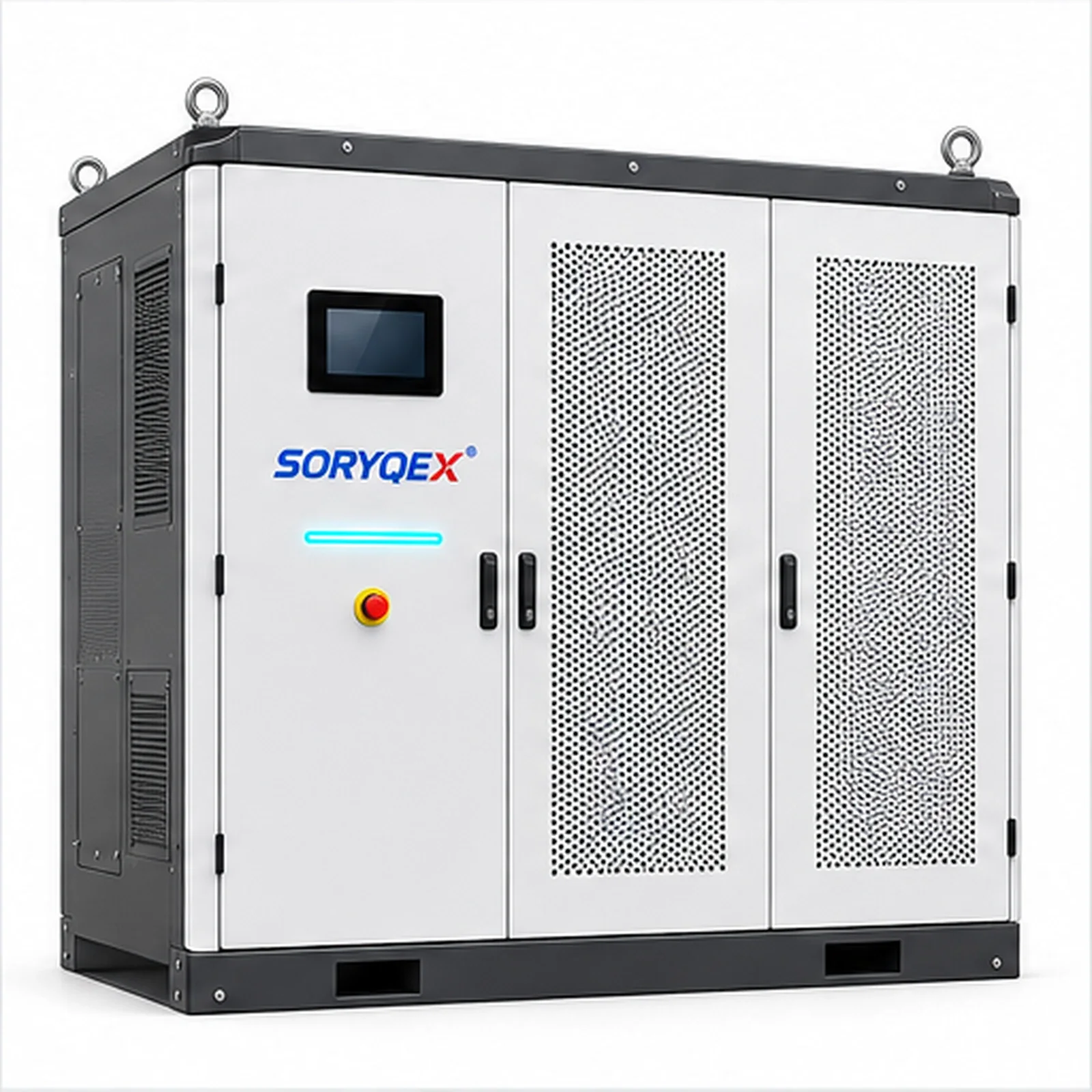
| 100kWh | IP54 | 358.4V DC | Ground-mounted outdoor cabinet | Aerosol fire extinguishing |
Choose battery storage capacity by stored energy, supported load, and required backup time.




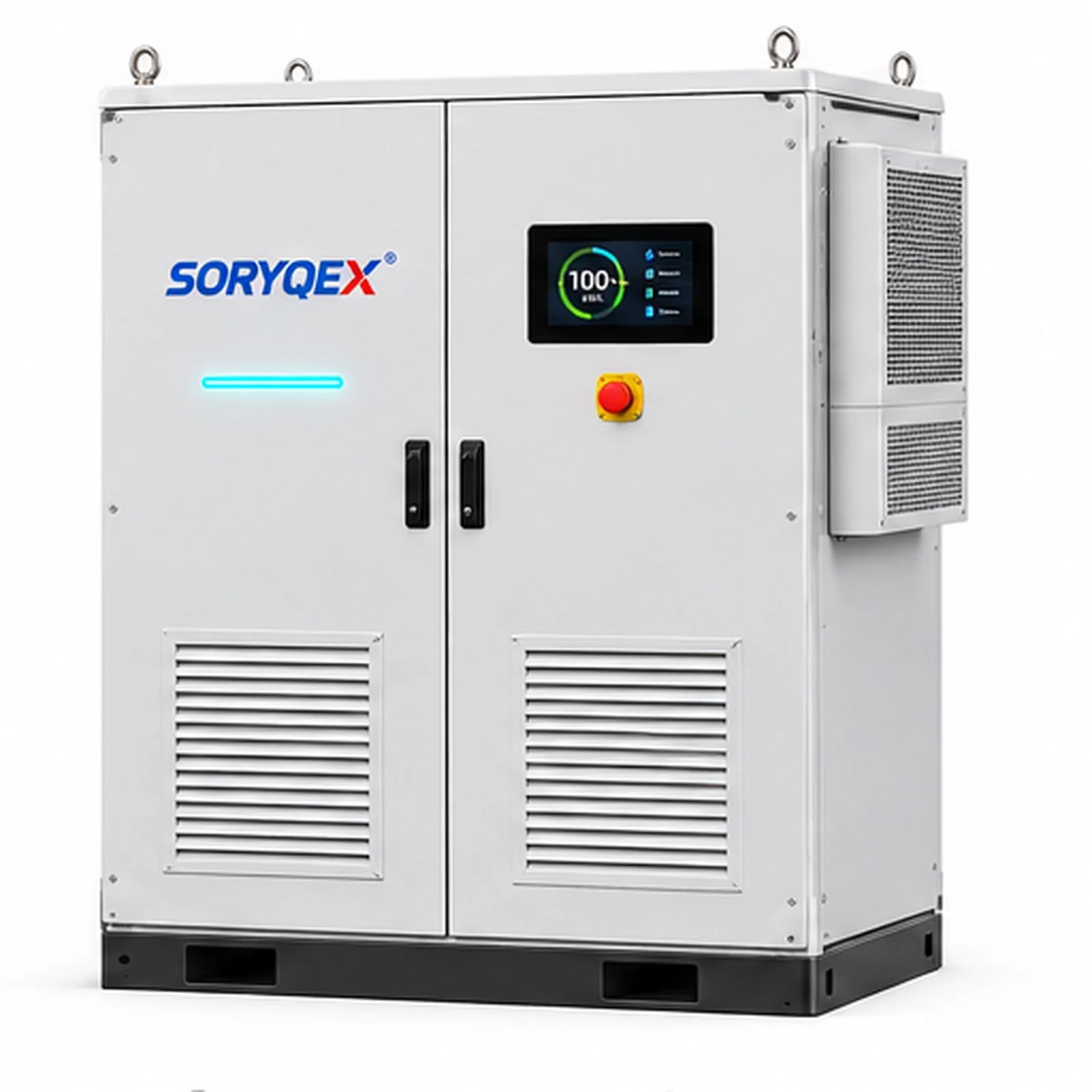
Looking for more models or a custom configuration? Contact us and we will match the right energy storage products for your project.
Contact UsExplore battery types for energy storage by installation method, system voltage, and application.
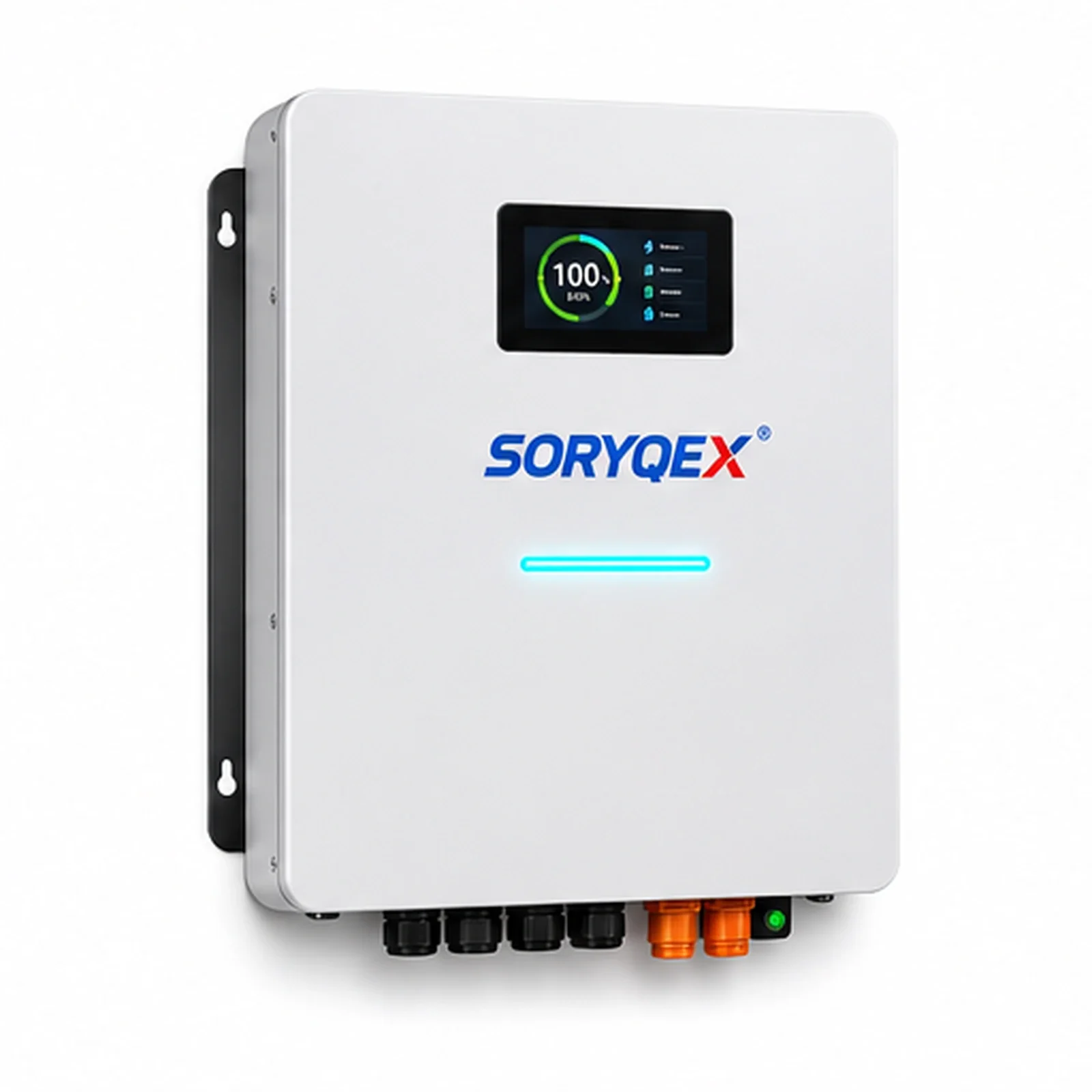

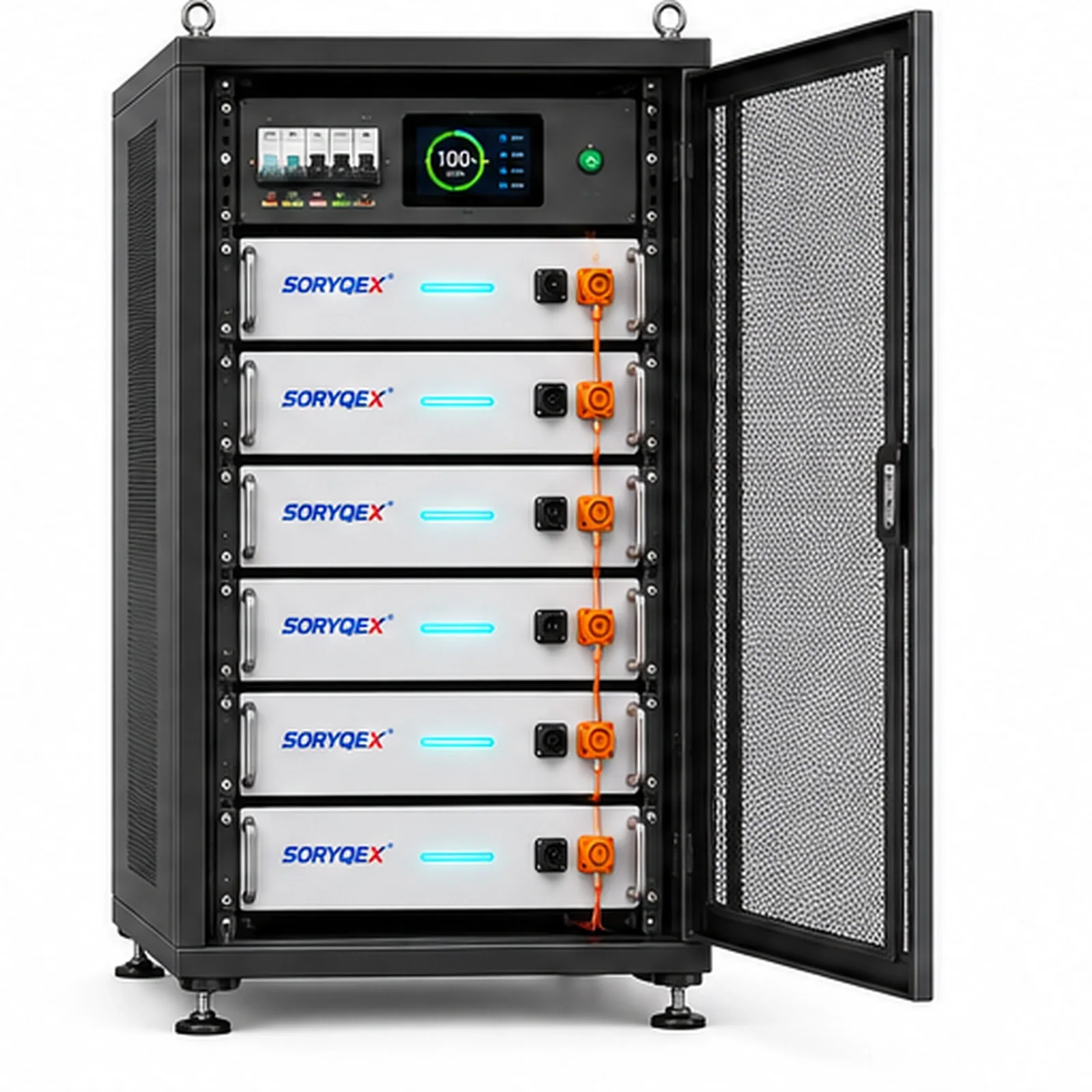
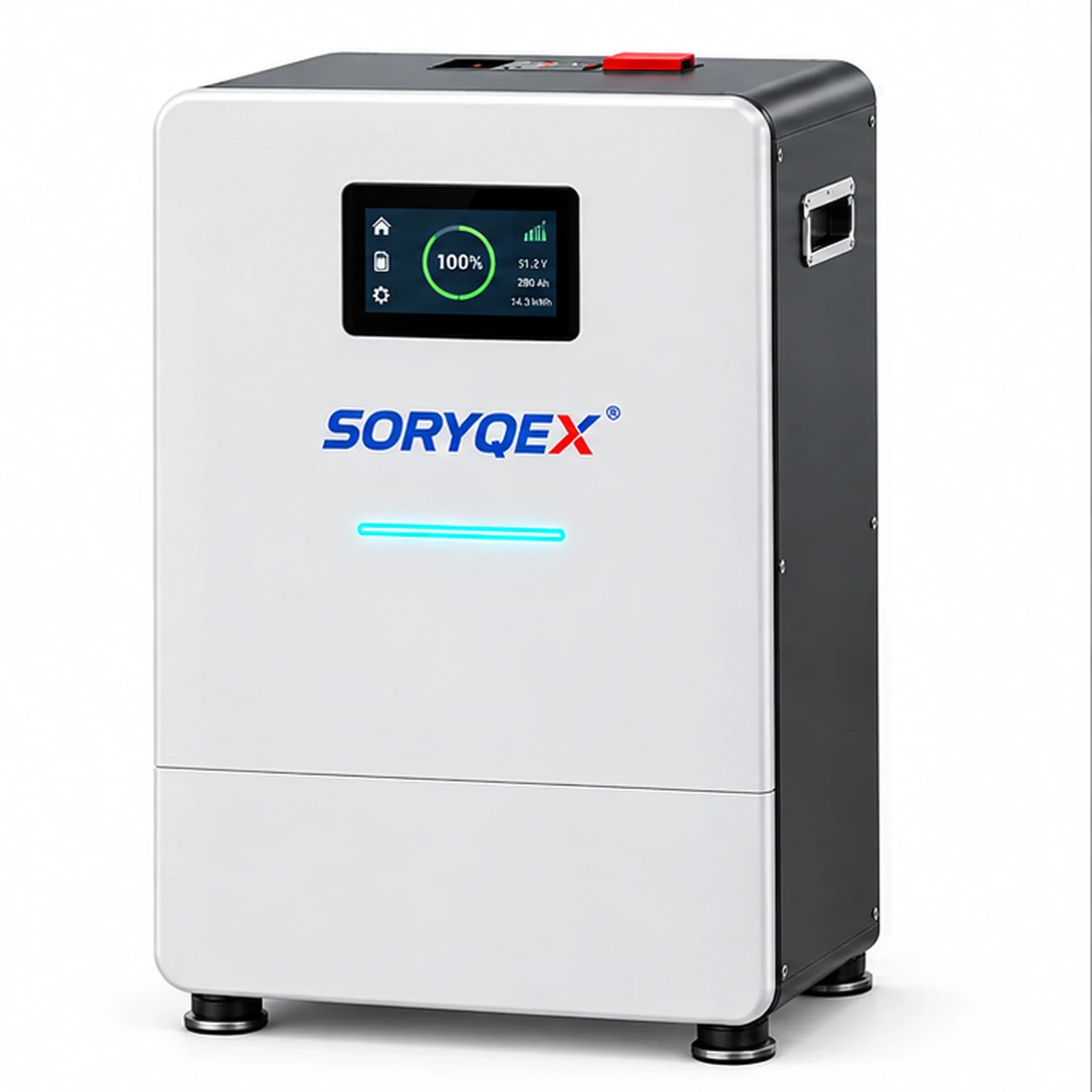


Looking for more models or a custom configuration? Contact us and we will match the right energy storage products for your project.
Contact UsWatch install and project clips for SORYQEX energy storage products.
Residential wall-mount battery install and critical-load panel wiring.
Commercial energy storage cabinet deployment for peak shaving.
Daytime solar charging with evening battery discharge for self-consumption.

Looking for more install clips or a custom project walkthrough? Contact us and we will share matching energy storage project videos.
Contact UsA battery stores electricity. A complete energy storage system also includes inverter or PCS, BMS, controls, protection, and other required system equipment.
Battery storage capacity depends on load power and backup time. A 10kW load running for 5 hours requires about 50kWh of usable stored energy before conversion losses.
Commercial energy storage is used for offices, retail, hotels, and small business sites. Industrial energy storage is used for factories, warehouses, and larger site loads.
A high voltage battery uses a higher DC voltage platform and must match a compatible inverter. A low voltage battery usually works around 48–51.2V and requires a compatible low-voltage inverter.
Compatible systems can be expanded with battery modules or an expansion battery when the inverter, BMS communication, voltage, and parallel quantity allow it.