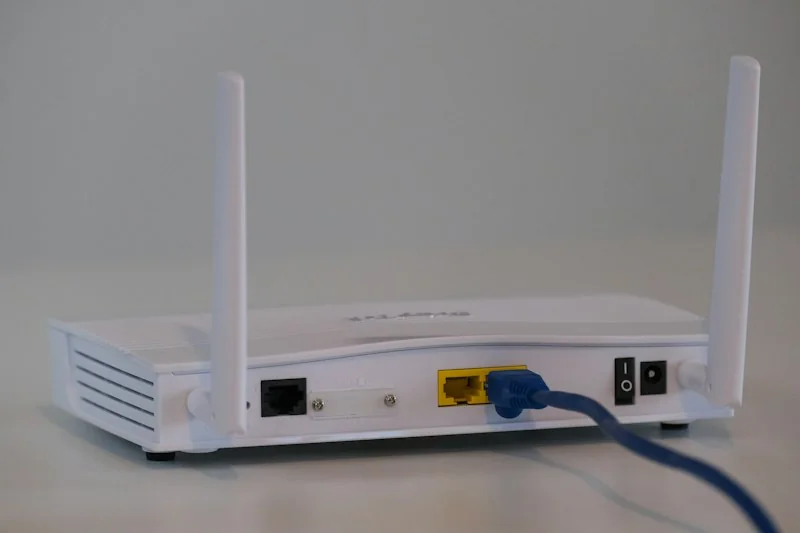
Power outages create problems fast. Lights turn off, WiFi disconnects, phones stop charging, and the refrigerator starts losing power.
Lights turn off
WiFi disconnects
Phones stop charging
Refrigerator starts losing power
Solution
Home Battery Backup Solution
Power goes to the loads you choose first, not the whole house. Refrigerator, lights, WiFi, phone charging, security devices, and selected outlets can stay on during an outage.
Your home battery backup system stores power before grid failure and sends backup power to selected circuits when the grid goes down.
Grid charging works for home battery backup without solar. Solar charging works for home battery backup with solar when the inverter supports battery charging, solar input, and backup output.
Solar battery backup for home projects should match the battery, hybrid inverter, solar input, and backup load circuit together.
Yes. Properly sized home battery backup can run a refrigerator during an outage. Final runtime depends on refrigerator power, battery capacity, inverter output, and other loads running at the same time.
Can I use home battery backup without solar panels?
Yes. Home battery backup without solar can charge from the grid and provide backup power during outages. Solar panels are not required, but they can help recharge the battery during the day.
Can I use home battery backup with solar?
Yes. Home battery backup with solar can store solar power and provide backup power when the grid fails. Inverter compatibility matters because the inverter must support battery charging and backup output.
How much battery backup for home do I need?
Start with essential loads first. Refrigerator, lights, WiFi, TV, phone chargers, security devices, and selected outlets usually need less capacity than HVAC, electric oven, water heater, or full-house backup.
What is the difference between home battery backup and whole home battery backup?
Home battery backup focuses on essential loads. Whole home battery backup is for more circuits, larger household loads, and higher inverter power.
Is DIY home battery backup a good choice?
DIY home battery backup may work for experienced installers, but most homeowners should use a matched battery, inverter, protection device, and backup circuit. Incorrect wiring or inverter matching can cause safety and performance problems.
How do I choose the best solar battery backup system for home use?
Choose by essential load power, required backup time, solar charging need, inverter compatibility, battery expansion, installation space, and whether you need essential backup or whole-home backup.